Content on this page requires a newer version of Adobe Flash Player.

Get Adobe Flash player

From evenings of toe-tapping traditional music in friendly pubs to the colour and excitement of Highland Games, every gathering of Scots is a celebration that you'll want to be part of.
Edinburgh and the Lothians

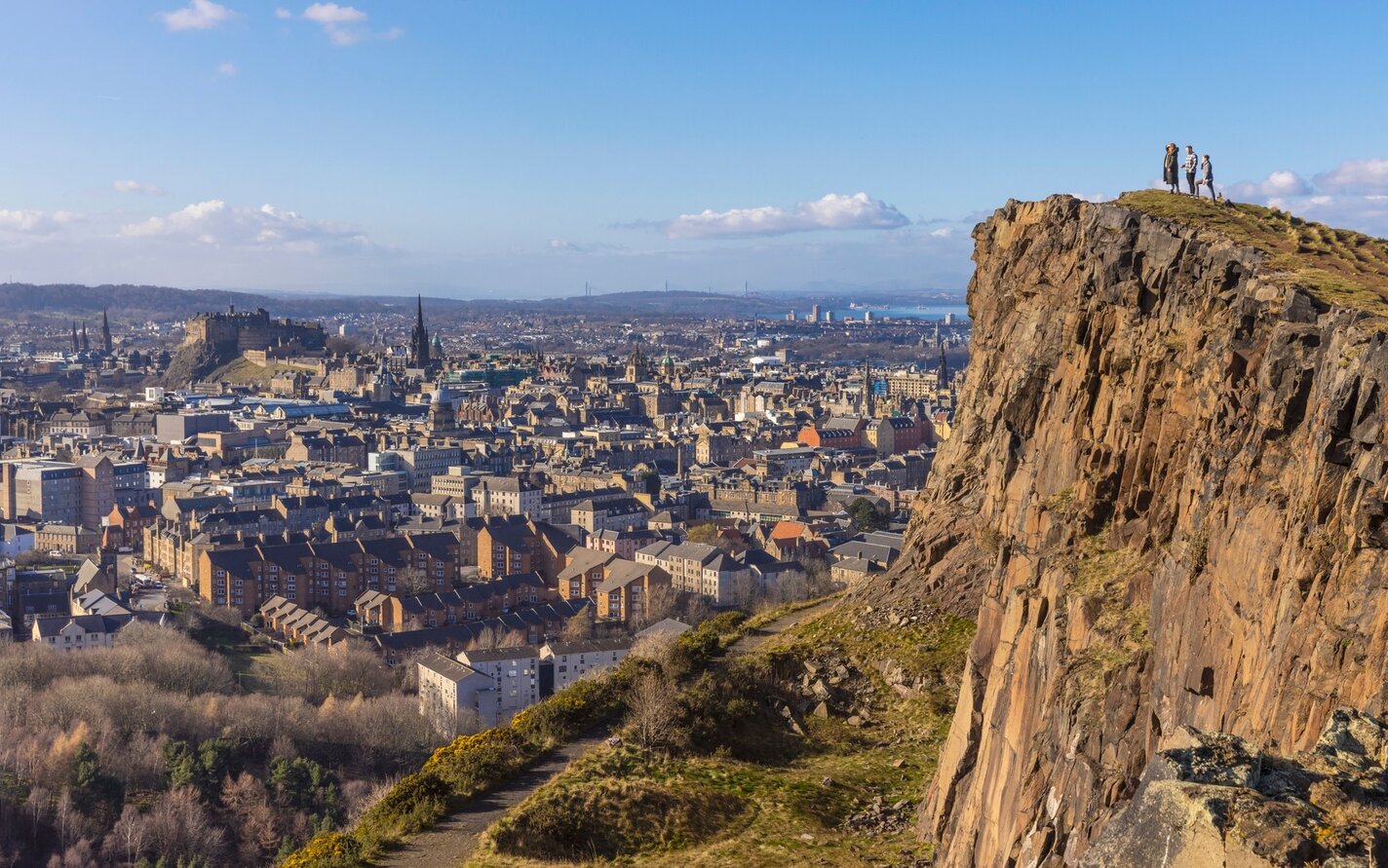
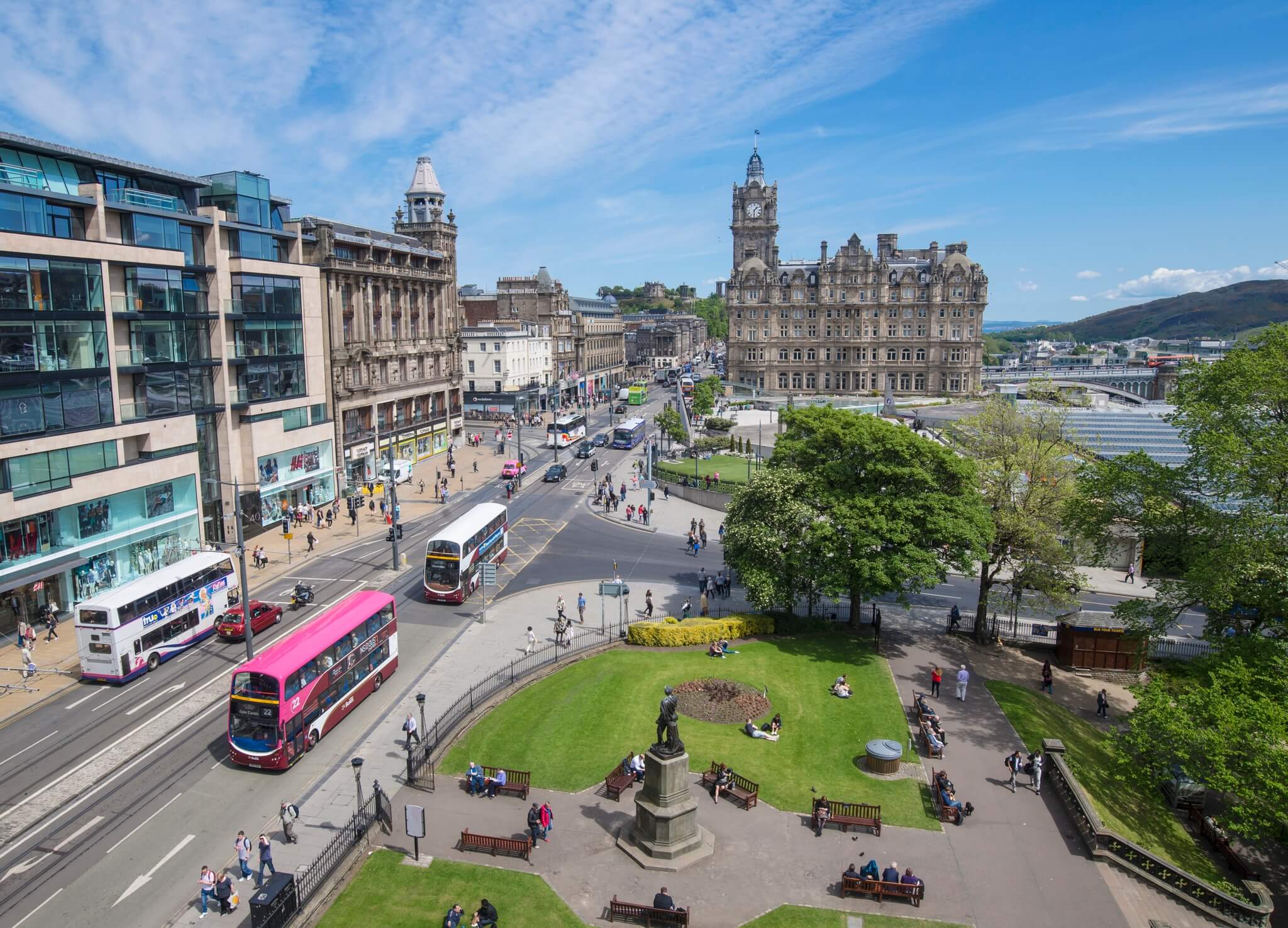
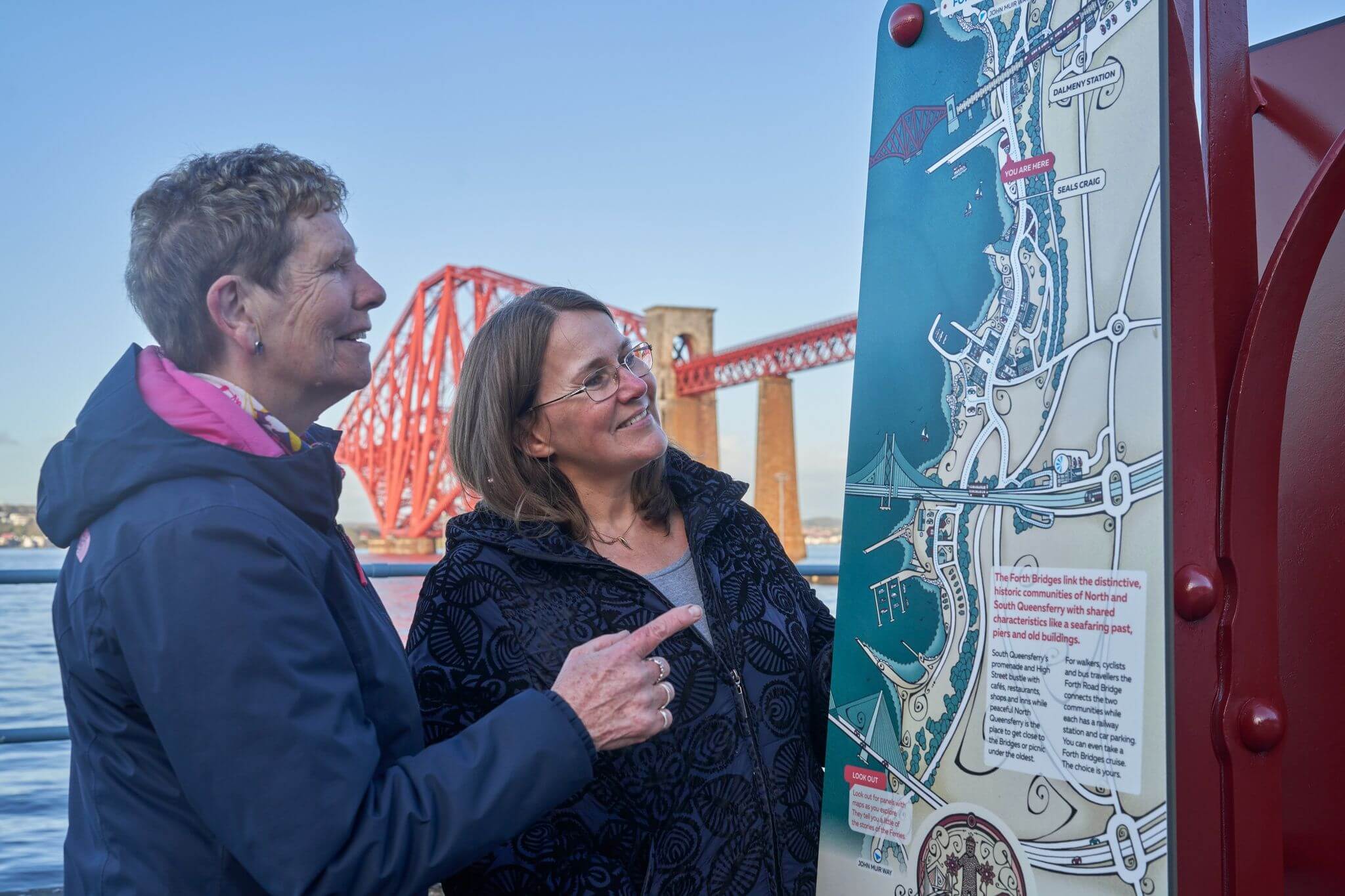
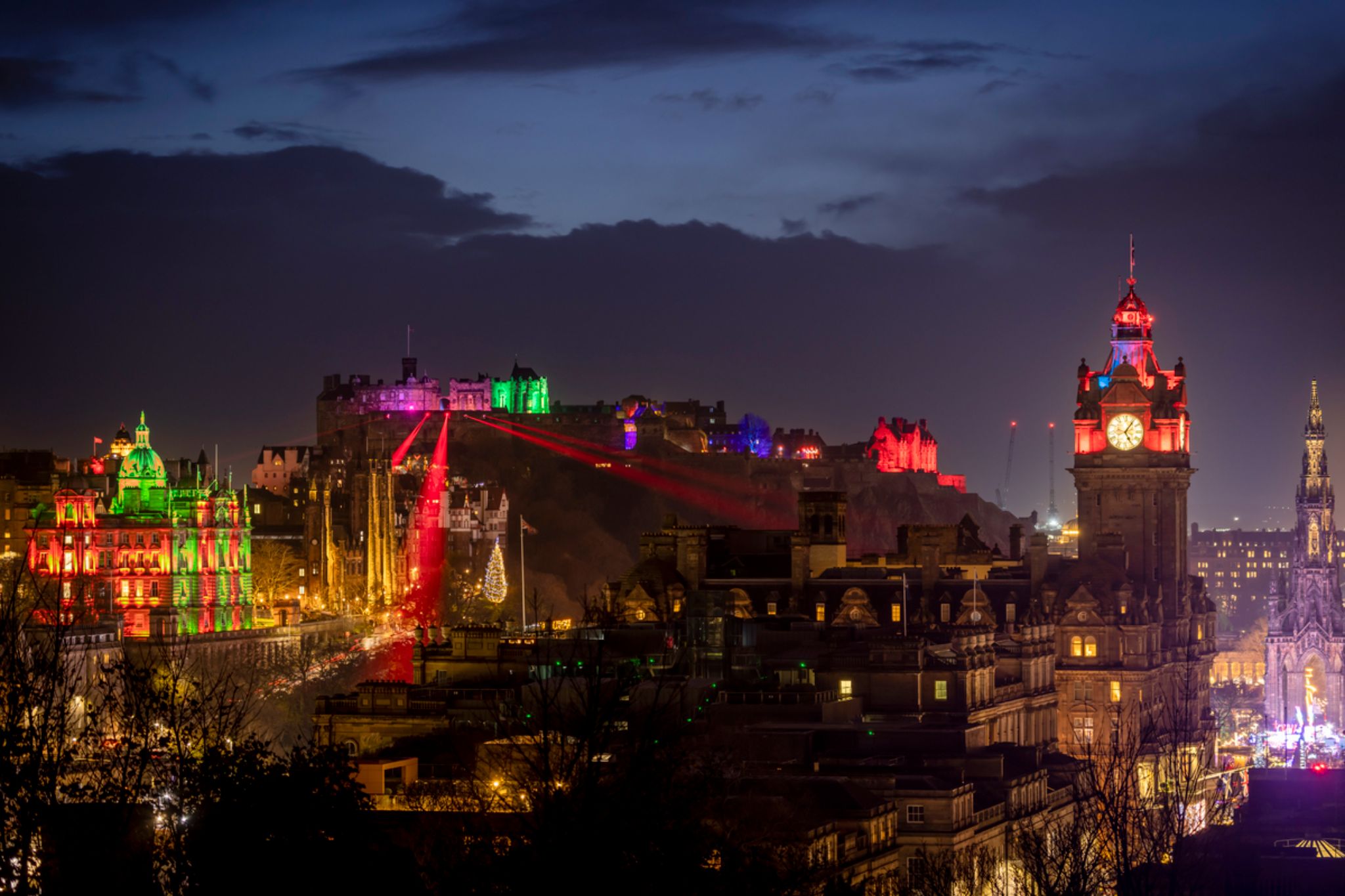
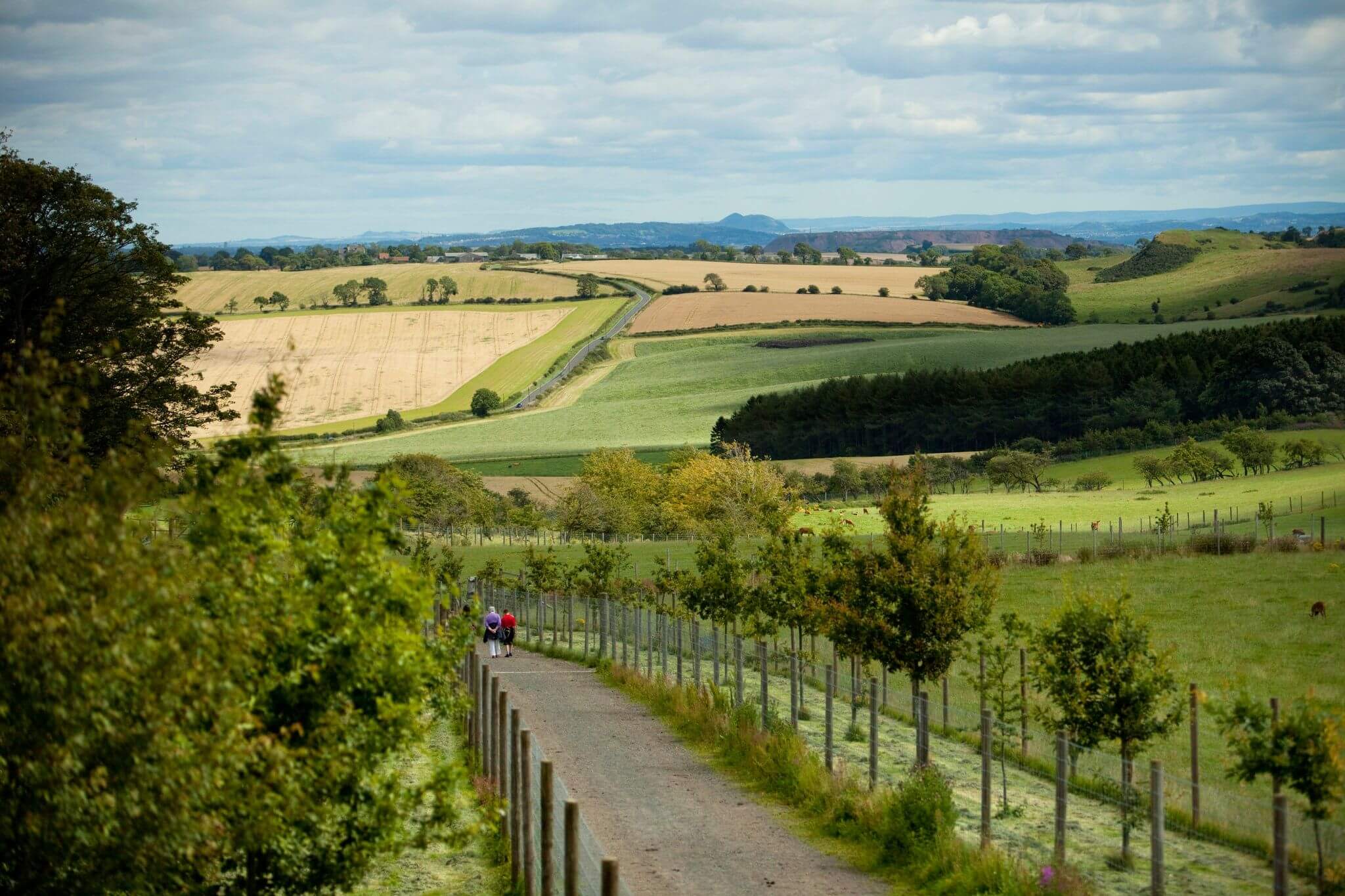
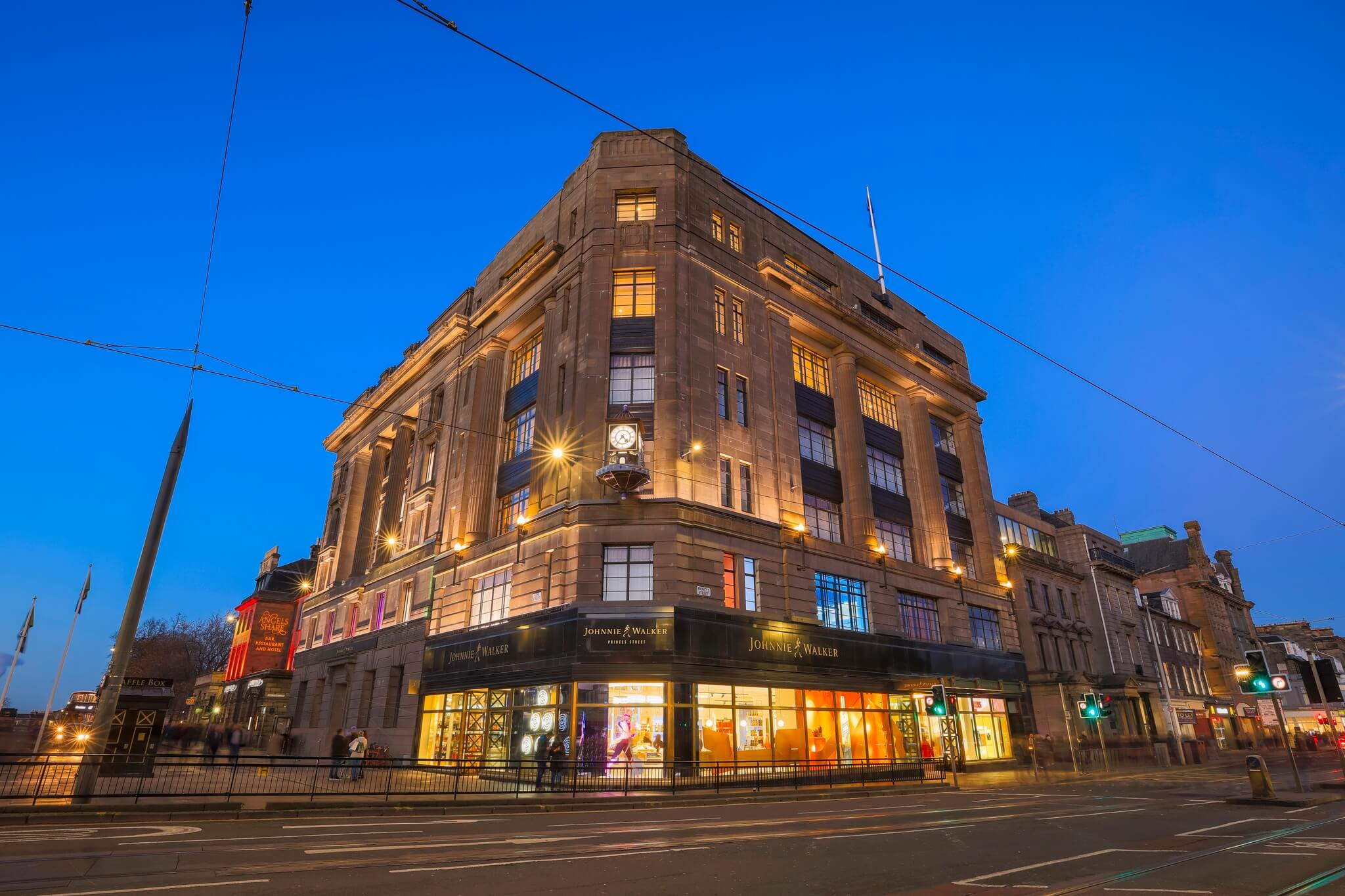
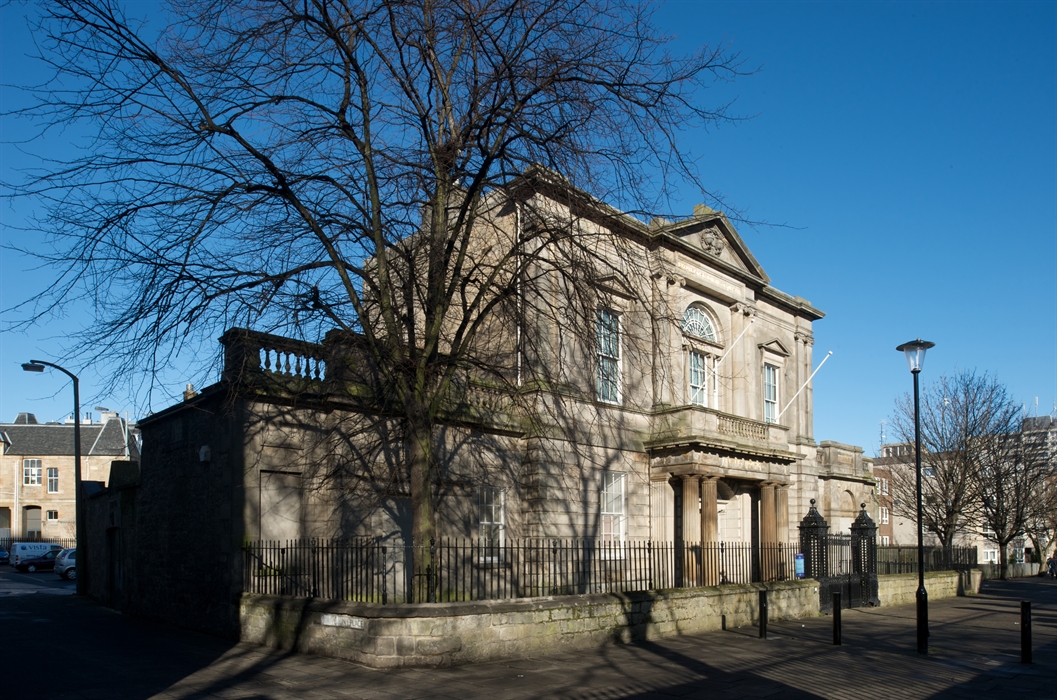
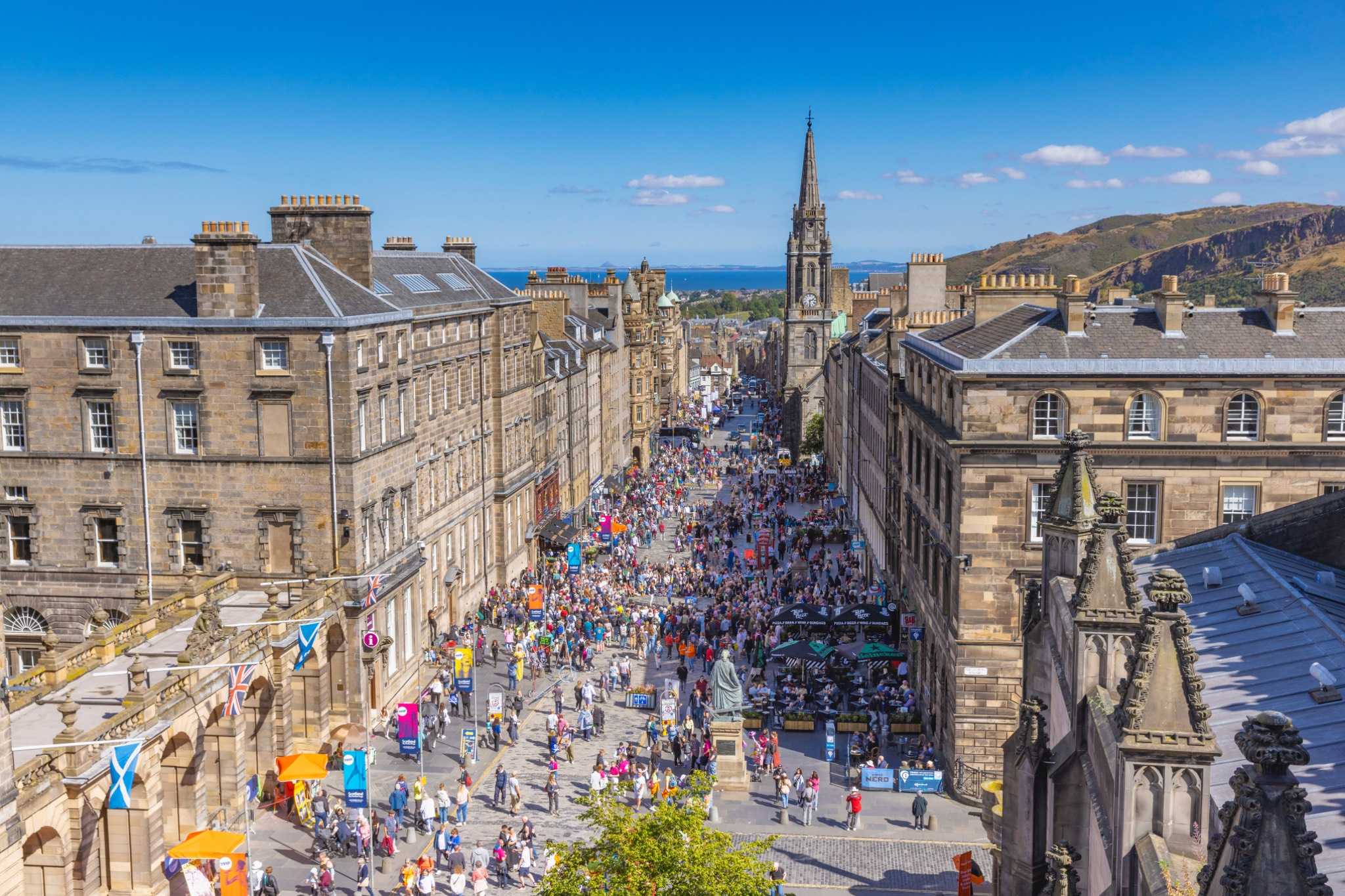
Edinburgh is the capital of Scotland and home to the first Scottish Parliament in 300 years. A city of writers, philosophers and monarchs, Edinburgh is a rich source of information on the lives and times of the Scottish people. But Edinburgh is so much more than a repository of knowledge. This is quite simply one of Europe's most beautiful cities, a vibrant, culturally diverse city surrounded by the wide open spaces of The Lothians - where palaces, castles and the iconic Forth rail bridge all add up to an unmissable destination.

The genealogist is truly spoilt for choice in Edinburgh. Not only is it home to the National Museum of Scotland, the National Archives and the National Library (including an excellent map library). It's also the place to head for the General Register Office of Scotland. Here, all the records of births, marriages, and deaths in Scotland, and all the census returns, are carefully filed and stored. It's a priceless resource for ancestral researchers.

Counties and local information

The county ~ East Lothian

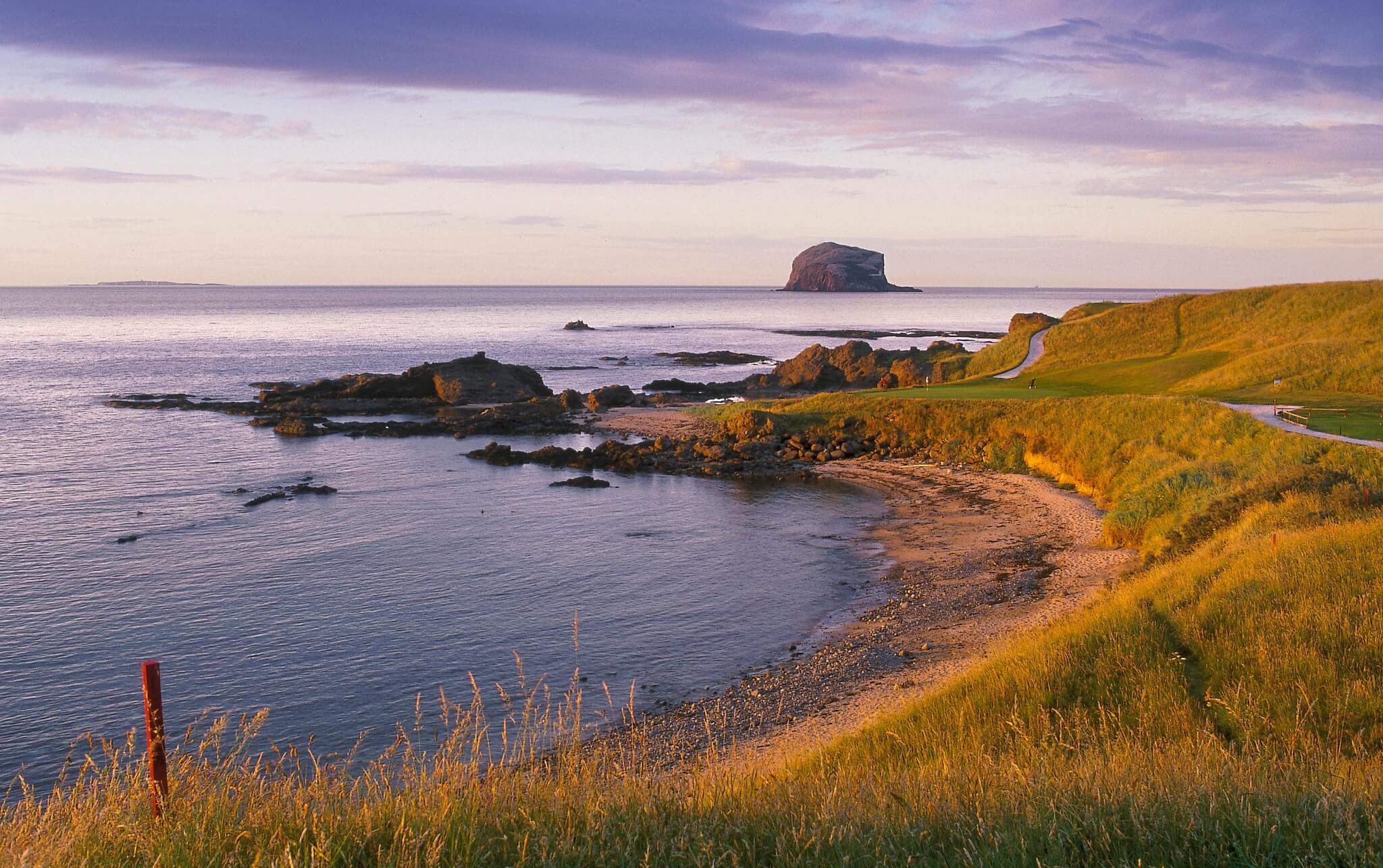
East Lothian stretches south of the Forth Estuary, east of Edinburgh. It was more commonly known as Haddingtonshire in the 19th Century, its county town being Haddington. The County was extremely fertile with East Lothian farms being at the forefront of the agricultural revolution in the late 1700s. In the early 20th Century the coast became a popular tourist area especially for the people of Edinburgh. There are many golf courses or "links" including Muirfield. Musselburgh was recently transferred from Edinburgh's control to that of East Lothian.

Clan and Family Heartlands

You can get a feel for the lives your ancestors lived by visiting the area they came from. These are areas where, for centuries, families lived together in a tightly-knit community. In the Highlands they are linked to clan heartlands, whereas, in the rest of Scotland the names are often those of the local landed families. Although it is unlikely that family historians can link their ancestry to clan chiefs or family dynasties, it can still be a moving experience to tour the clan and family heartlands.

Here is a selection of the most common names in this area.

Hamilton

Heriot

Seton

Parishes

The Parish Church can unlock many secrets for ancestral researchers. Not only was it the place where children were baptised, proclamations of marriage announced and the dead buried, it was also the centre of most social activity within the Parish. There is, however, no such thing as a definitive list of parishes. Over the decades they have merged, divided, been renamed and had changes made to their spelling. The following list is based largely on the situation at the time of publication of the New Statistical Account (1834-1845).

Aberlady,
Athelstaneford,
Bolton,
Dirleton,
Dunbar,
Garvald and Bara,
Gladsmuir,
Haddington,
Humbie,
Innerwick,
Morham,
North Berwick,
Oldhamstocks,
Ormiston,
Pencaitland,
Prestonkirk,
Prestonpans,
Salton,
Spott,
Stenton,
Tranent,
Whitekirk and Tynninghame,
Whittinghame,
Yester (or Gifford)

* subsequently divided into seperate parishes, ( ) denotes alternative name or spelling

Detailed information on life and work within each of these parishes can be found in the Old (1791-99) and the New (1834-45) Statistical Account of Scotland. These are freely accessible on http://edina.ed.ac.uk/statacc. Part of their charm is the individual views of the minister, which can include some fascinating accounts of a parish's history, topography, employment, landowners, communications, agriculture and even the morality of the parishioners.

Local Studies Libraries

Almost every municipal authority in Scotland has a collection of local history publications, maps and archives. Although most of these libraries are prepared to undertake a limited amount of searching on your behalf, it is far more fulfilling to visit them yourself. You could lose yourself for hours, pouring over old newspapers and photographs.

The following is a list of the libraries in your chosen area:

The Local History Centre
Haddington Library
Newton Port
Haddington
EH41 3NA
Tel: +44 1620 823307
Fax: +44 1620 828201
E-mail: localhistory@eastlothian.gov.uk
www.eastlothian.gov.uk/content/0,1094,1485,00.html


Open: Mon 14:00 - 18:00, Tue 10:00 - 13:00 & 14:00 - 19:00, Thu 14:00 - 19:00 & Fri 14:00 - 17:00.

Holds extensive runs of the principal newspapers, notably the Haddingtonshire/East Lothian Courier and the Musselburgh News. The Haddingtonshire Courier is indexed from 1859 (some gaps after 1904).

Local Archives Centres

Almost every municipal authority in Scotland has a collection of local history publications, maps and archives. Although most of these libraries are prepared to undertake a limited amount of searching on your behalf, it is far more fulfilling to visit them yourself. You could lose yourself for hours, pouring over old newspapers and photographs.

The following is a list of the archive offices in your chosen area:

The Local History Centre
Haddington Library
Newton Part
Haddington
EH41 3NA
Tel: +44 1620 823307
Fax: +44 1620 822531
E-mail: localhistory@eastlothian.gov.uk
 www.eastlothian.gov.uk/content/0,1094,1485,00.html

Open: Mon 14:00 - 18:00, Tue 10:00 - 13:00 & 14:00 - 19:00, Thu 14:00 - 19:00 & Fri 14:00 - 17:00.

Museum and Heritage Centres

Scotland is a country with a remarkable history. So it should come as no surprise that Scotland is home to a remarkable collection of museums and heritage centres. These range from the major, internationally renowned collections in Edinburgh's Royal Museum of Scotland to hundreds of small centres that specialise in the history of local communities. The following museums are all in your chosen area. A visit to any one of them may well shed new light on the lives led by your ancestors.

Prestongrange Industrial Heritage Museum
Morrison's Haven
Prestonpans
East Lothian
EH32 9RY
Tel: +44 131 653 2904
Fax: +44 1620 828201
www.eastlothian.gov.uk/content/0,1094,703,00.html

Open: April-October, 11:00 - 16:00.

Tells the story of local industries, particularly the local coal mine.

Dunbar Town House Museum
High Street
Dunbar
East Lothian
EH42 1ER
Tel: +44 1368 863734
E-mail: museums@elothlib.demon.co.uk
www.eastlothian.gov.uk/content/0,1094,709,00.html

Open: April-October, 12:30 - 16:30.

Includes a display of photographs of Old Dunbar and surrounding areas. There is also an oral history archive covering the history of the town throughout the 20th Century.

North Berwick Museum
School Road
North Berwick
East Lothian
EH39 4JU
Tel: +44 1620 895457
www.eastlothian.gov.uk/content/0,1094,700,00.html 

Open: April-October, 11:00 - 17:00.

The main exhibit relates to North Berwick's long history as a holiday resort.

Family History Society

Local societies are run by volunteers who meet together periodically. Most maintain an index of members' interests - and this could well lead to the discovery of a long lost cousin or two. If there are any such societies in your chosen area, they will be listed below.

Scottish Genealogy Society
15 Victoria Terrace
Edinburgh
EH1 2JL
Tel: +44 (0) 131 220 3677
E-mail: enquiries@scotsgenealogy.com
www.scotsgeneaology.com 

Lothians Family History Society
c/o Lasswade High School Centre
Eskdale Drive
Bonnyrigg
Midlothian
EH19 2LA
Fax: +44 131 663 6634
E-mail: lothiansfhs@hotmail.com
www.lothiansfhs.org.uk

Open: Mon-Fri (during term time) 08:30 - 12:00 & 13:00 - 16:00,
Tue-Wed (during term time) 18:15 - 21:00.

It may seem a little odd, but a visit to the burial ground of an ancestor can make you feel more closely connected to them. However, tracking down the specific plot, or lair as they were referred to in Scotland, depends on the period of time when the deaths occurred.

Up to the mid-19th century it was the normal practice for people to be interred in the Parish Kirk burial ground - although this was only rarely marked with anything as grand as a headstone. The Scottish Association of Family History Societies (SAFHS) is currently co-ordinating a major project to develop a National Burial Index, relating to pre-1855 records. This will eventually be available on CD ROM. Although this will help to confirm that burials took place in parish burial grounds, it will not, unfortunately, indicate the location of the lair.

If your ancestor was wealthy enough, their grave may have been marked by an inscribed headstone. Over the years, family history societies and other volunteer groups have painstakingly transcribed and indexed such inscriptions - and these are nearly always held in the relevant local history libraries or family history research centres.

By the mid-19th Century, many parish burial grounds had become seriously overcrowded, especially those in urban areas, and this led to the creation of both private and municipal cemeteries. If you know the place and date of death, you should be able to discover the location of a lair, although not all cemeteries and records have survived.

The concept of cremation started to gain popularity in the late 1940s and has increased ever since. Ashes may be taken away by the family, scattered in the garden of remembrance or buried either in the crematorium or in a family plot.

Dunbar
The Area Registrar
79/85 High Street
Dunbar
EH42 1ER
Tel: +44 1368 863 434
Fax: +44 1368 865728

North Berwick
The Area Registrar
2 Quality Street
North Berwick
EH39 4HW
Tel: +44 1620 893957
Fax: +44 1620 895647

Haddington
The Area Registrar
John Muir House
Haddington
EH41 3HA
Tel: +44 1620 827 308
Fax: +44 1620 827 529

Tranent
The Area Registrar
8 Civic Square
Tranent
EH33 1LU
Tel: +44 1875 610 278
Fax: +44 1875 615 420

Prestonpans
The Area Registrar
Aldhammer House
High Street
Prestonpans
EH32 9SH
Tel: +44 1875 810 232
Fax: +44 1875 814 921

Musselburgh
The Area Registrar
Brunton Hall
Musselburgh
EH21 6AF
Tel: +44 131 665 3711
Fax: +44 131 665 7495

Accurate records are maintained for most of the late 19th, and 20th century cemeteries, but not for the earlier ones. Basic search facilities are offered by the above offices, for which no fee is currently charged. Postal enquiries are preferred to personal visits and there is no provision for copying of burial entries. Enquiries relating to the appropriate Area, should be addressed to Council HQ at John Muir House, Haddington (see above).

The county ~ Midlothian

Midlothian, more commonly referred to in the 19th Century as Edinburghshire, houses most of the Scottish government offices and the national agencies. Edinburgh is also now the home of the devolved Scottish Parliament. The County lay to the south of the Firth of Forth and included the small towns of Dalkeith, Musselburgh and Penicuik. Leith was the main port of Edinburgh.

Apart from fishing and agriculture, the main industries were coal mining, papermaking and, in Edinburgh, publishing and brewing. Edinburgh is now a separate unitary authority.

Clan and Family Heartlands

You can get a feel for the lives your ancestors lived by visiting the area they came from. These are areas where, for centuries, families lived together in a tightly-knit community. In the Highlands they are linked to clan heartlands, whereas, in the rest of Scotland the names are often those of the local landed families. Although it is unlikely that family historians can link their ancestry to clan chiefs or family dynasties, it can still be a moving experience to tour the clan and family heartlands.

Here is a selection of the most common names in this area.

Anslie

Balfour

Borthwick

Heriot

Parishes

The Parish Church can unlock many secrets for ancestral researchers. Not only was it the place where children were baptised, proclamations of marriage announced and the dead buried, it was also the centre of most social activity within the Parish. There is, however, no such thing as a definitive list of parishes. Over the decades they have merged, divided, been renamed and had changes made to their spelling. The following list is based largely on the situation at the time of publication of the New Statistical Account (1834-1845).

Borthwick,
Calder Mid (Mid-Calder),
Currie,
Dalkeith,
Lasswade,
Leith (Leith North)(Leith South),
City of Edinburgh,
Kirknewton,
Inveresk,
Ratho,
Penecuik,
Glencorse

* subsequently divided into seperate parishes, ( ) denotes alternative name or spelling

Detailed information on life and work within each of these parishes can be found in the Old (1791-99) and the New (1834-45) Statistical Account of Scotland. These are freely accessible on http://edina.ed.ac.uk/statacc. Part of their charm is the individual views of the minister, which can include some fascinating accounts of a parish's history, topography, employment, landowners, communications, agriculture and even the morality of the parishioners

Local Studies Libraries

Almost every municipal authority in Scotland has a collection of local history publications, maps and archives. Although most of these libraries are prepared to undertake a limited amount of searching on your behalf, it is far more fulfilling to visit them yourself. You could lose yourself for hours, pouring over old newspapers and photographs.

The following is a list of the libraries in your chosen area:

National Library of Scotland
George IV Bridge
Edinburgh
EHI 1EW

Tel: +44 131 623 3821
E-mail:  enquiries@nls.uk
http://www.nls.uk/

Some of the National Library's resources is restricted to those with a National Libraries Scotland card - please check before planning your visit.

Edinburgh Room
Edinburgh Central Library
George IV Bridge
Edinburgh
EH1 1EG
Tel: +44 131 242 8030
Fax: +44 131 242 8035
E-mail: edinburgh.room@edinburgh.gov.uk
www.edinburgh.gov.uk/Libraries

Open: Mon 09:00 - 17:00 & 18:00 - 20:00, Tue-Thu 09:00 - 17:00 & Fri 09:00 - 15:45.

Midlothian Local Studies Centre
Library Headquarters
2 Clerk Street
Loanhead
EH20 9DR
Tel: +44 131 271 3976
Fax: +44 131 440 4635
E-mail: local.studies@midlothian.gov.uk
www.midlothian.gov.uk/Article.aspx?TopicId=54&ArticleId=16877 

Open: Mon 0900-1700, 1800-2000; Tue-Thu 0900-1700; Fri 0900-1545

An extensive collection of local history material covering all aspects of the County except Edinburgh. Newspapers include the Dalkeith Advertiser (1869-), South Midlothian Advertiser (1932-52; 1960-73) and the Midlothian Journal (1884-1932). Other material includes Post Office directories, press cuttings, photographs and engravings.

Local Archives Centres

Almost every municipal authority in Scotland has a collection of local history publications, maps and archives. Although most of these libraries are prepared to undertake a limited amount of searching on your behalf, it is far more fulfilling to visit them yourself. You could lose yourself for hours, pouring over old newspapers and photographs.

The following is a list of the archive offices in your chosen area:

Midlothian Council Archives
Library headquarters
2 Clerk Street
Loanhead
Midlothian
EH20 9DR
Tel: +44 131 271 3976
Fax: +44 131 440 4635
E-mail: local.studies@midlothian.gov.uk
www.midlothian.gov.uk/Topic.aspx?TopicId=54

Open: Mon 09:00 - 17:00 & 18:00 - 20:00, Tue-Thu 09:00 - 17:00 & Fri 09:00 - 15:45.

Records include Valuation Rolls, Poll Tax (1694) listings and local authority records of the County, except Edinburgh.

Museum and Heritage Centres

Scotland is a country with a remarkable history. So it should come as no surprise that Scotland is home to a remarkable collection of museums and heritage centres. These range from the major, internationally renowned collections in Edinburgh's National Museum of Scotland to hundreds of small centres that specialise in the history of local communities. The following museums are all in your chosen area. A visit to any one of them may well shed new light on the lives led by your ancestors.

National Museum of Scotland
Chambers Street
Edinburgh
Midlothian
EH1 1JF
Tel: +44 (0)300 123 6789
http://www.nms.ac.uk

Open: Daily 1000-1700
Free entry

Museum of Edinburgh
142 Canongate
Royal Mile
Edinburgh
Tel: +44 131 529 4143
www.cac.org.uk

Open: Daily Mon-Sat, 10:00 - 17:00, August, Mon-Sat, 10:00 - 17:00 & Sun 14:00 - 17:00.

Scottish Mining Museum
Lady Victoria Colliery
Newtongrange
Midlothian
EH22 4QN
Tel: +44 131 663 7519
E-mail: enquiries@scottishminingmuseum.org
www.scottishminingmuseum.com

Open: February-October, daily 1000-1700; November-January, daily 1100-1600

The Lady Victoria Colliery, which was built over the period 1890-94, was considered to be the jewel of the Lothian coalfield. After the closure of the colliery a museum and visitor centre were formed within the buildings. The museum houses the archives and artifacts from all over the Scottish coalfields. The visitor centre has 2 permanent major exhibitions - "The Story of Coal" and "A Race Apart" - the largest winding engine in Scotland, a pithead tour, operations centre and 2 audio visual theatres showing safety films, training films and life in the mining villages.

The Peoples Story
Canongate Tolbooth
163 Canongate
Edinburgh
EH8 8DE
Tel: +44 131 529 4057
Fax: +44 131 557 3346
www.cac.org.uk

Open: October-May, Mon-Sat 1000-1700; June-Sept, daily 1000-1800

The museum uses oral history and written sources to tell the story of the ordinary people of Edinburgh. Topics covered include a prison cell, cooper's workshop, fishwives domestic service, wash-house, pub and tea-room.

Family History Society

Scottish Family History Societies vary greatly in scope. Some have their own premises and libraries, whereas others are much more modest. A common feature of virtually all societies is a register of members' family interests and a regular newsletter. Membership fees are extremely modest. Family historians should join the relevant FHS and make contact with the Secretary in advance of a visit.

Scottish Genealogy Society
15 Victoria Terrace
Edinburgh
EH1 2JL
Tel: +44 (0) 131 220 3677
E-mail: enquiries@scotsgenealogy.com
www.scotsgeneaology.com 

Open: Mon, Tues, Thurs 10:30 - 17:30, Wed 10:30 - 19:30, Saturday 10:00 - 17:00 Sunday - closed

Lothians Family History Society
c/o Lasswade High School Centre
Eskdale Drive
Bonnyrigg
Midlothian
EH19 2LA
Fax: +44 131 663 6634
E-mail: lothiansfhs@hotmail.com
www.lothiansfhs.org.uk

Open: Mon-Fri (during term time) 08:30 - 12:00 & 13:00 - 16:00, Tue-Wed (during term time) 18:15 - 21:00.

It may seem a little odd, but a visit to the burial ground of an ancestor can make you feel more closely connected to them. However, tracking down the specific plot, or lair as they were referred to in Scotland, depends on the period of time when the deaths occurred.

Up to the mid-19th century it was the normal practice for people to be interred in the Parish Kirk burial ground - although this was only rarely marked with anything as grand as a headstone. The Scottish Association of Family History Societies (SAFHS) is currently co-ordinating a major project to develop a National Burial Index, relating to pre-1855 records. This will eventually be available on CD ROM. Although this will help to confirm that burials took place in parish burial grounds, it will not, unfortunately, indicate the location of the lair.

If your ancestor was wealthy enough, their grave may have been marked by an inscribed headstone. Over the years, family history societies and other volunteer groups have painstakingly transcribed and indexed such inscriptions - and these are nearly always held in the relevant local history libraries or family history research centres.

By the mid-19th Century, many parish burial grounds had become seriously overcrowded, especially those in urban areas, and this led to the creation of both private and municipal cemeteries. If you know the place and date of death, you should be able to discover the location of a lair, although not all cemeteries and records have survived.

The concept of cremation started to gain popularity in the late 1940s and has increased ever since. Ashes may be taken away by the family, scattered in the garden of remembrance or buried either in the crematorium or in a family plot.

Commercial Services
Midlothian Council
62A Polton Street
Bonnyrigg
EH19 3YD
Tel: +44 131 561 5280
Fax: +44 131 654 2797

Personal searches of cemeteries undertaken at no charge.

Bereavement Services Division
Environment & Consumer Services
Mortonhall Crematorium
Howdenhall Road
Edinburgh
EH16 6TX
Tel: +44 131 664 4314
Fax: +44 131 664 2031

Details of place of burial are provided free of charge if precise details of the death are known. Enquirers may alternatively search through the records themselves - by appointment only. Postal enquiries can be made to the Bereavement Services Division for which a fee of £36.43 per hour is payable.

There are also some private cemeteries which maintain their own records.

City of Edinburgh
Bereavement Services Division
Environmental and Consumer Services
Mortonhall Crematorium
Howdenhall Road
Edinburgh
EH16 6TX
Tel: +44 131 664 4314
Fax: +44 131 664 2031

Details of place of burial are provided free of charge if precise details of the death are known. Enquirers may alternatively search through the records themselves - by appointment only. Postal enquiries can be made to the Bereavement Services Division for which a fee of £36.43 per hour is payable.

There are also some private cemeteries which maintain their own records.

The county ~ West Lothian

West Lothian was more commonly referred to as Linlithgowshire in the early 19th Century, Linlithgow being the County Town. Apart from agriculture a major industry was shale oil extraction largely due to James 'Paraffin' Young who established his business in the mid 19th Century. West Lothian lies to the south of the Forth Estuary, west of Edinburgh. South Queensferry was within the old county but this now falls within the Edinburgh District.

Clan and Family Heartlands

You can get a feel for the lives your ancestors lived by visiting the area they came from. These are areas where, for centuries, families lived together in a tightly-knit community. In the Highlands they are linked to clan heartlands, whereas, in the rest of Scotland the names are often those of the local landed families. Although it is unlikely that family historians can link their ancestry to clan chiefs or family dynasties, it can still be a moving experience to tour the clan and family heartlands.

Here is a selection of the most common names in this area.

Dalziel

Parishes

The Parish Church can unlock many secrets for ancestral researchers. Not only was it the place where children were baptised, proclamations of marriage announced and the dead buried, it was also the centre of most social activity within the Parish. There is, however, no such thing as a definitive list of parishes. Over the decades they have merged, divided, been renamed and had changes made to their spelling. The following list is based largely on the situation at the time of publication of the New Statistical Account (1834-1845).

Abercorn,
Bathgate,
Borrowstownesss (Bowness),
Carriden,
Dalmeny,
Ecclesmachan (Ecclemachen),
Linlithgow,
Livingstone,
Queensferry,
Torphichen,
Uphall,
Whitburn 

* subsequently divided into seperate parishes, ( ) denotes alternative name or spelling

Detailed information on life and work within each of these parishes can be found in the Old (1791-99) and the New (1834-45) Statistical Account of Scotland. These are freely accessible on http://edina.ed.ac.uk/statacc. Part of their charm is the individual views of the minister, which can include some fascinating accounts of a parish's history, topography, employment, landowners, communications, agriculture and even the morality of the parishioners

Local Studies Libraries

Almost every municipal authority in Scotland has a collection of local history publications, maps and archives. Although most of these libraries are prepared to undertake a limited amount of searching on your behalf, it is far more fulfilling to visit them yourself. You could lose yourself for hours, pouring over old newspapers and photographs.

The following is a list of the archive offices in your chosen area:

West Lothian Local History Library
Connolly House
Hopefield Road
Blackburn
West Lothian
EH47 7HZ
Tel: +44 1506 776331
Fax: +44 1506 776345
E-mail: sybil.cavanagh@westlothian.gov.uk
www.westlothian.gov.uk/sitecontent/libraries/localhistory

Open: Mon-Thu 0900-1700; Fri 0900-1600;, Sat 0900-1300 (1st Sat of month only)

Newspaper runs include West Lothian Courier (1873 to date), Linlithgow Journal and Gazette (1891 to date) and Midlothian Advertiser (1906-1967). These have all been indexed. There are also about 10,000 photographs and slides. Also censuses 1841-1901 and Old Parish Registers for West Lothian parishes and other familiy history material.

Local Archives Centres

Almost every municipal authority in Scotland has a collection of local history publications, maps and archives. Although most of these libraries are prepared to undertake a limited amount of searching on your behalf, it is far more fulfilling to visit them yourself. You could lose yourself for hours, pouring over old newspapers and photographs.

The following is a list of the libraries in your chosen area:

West Lothian Council Archives
Archive and Record Centre
9 Dunlop Square
Deans Industrial Estate
Livingston EH54 8SB
Tel: +44 1506 773770
Fax: +44 1506 773775
E-mail: archive@westlothian.gov.uk
www.westlothian.gov.uk/tourism/libsservices/archives/ 

Open: Mon-Thu 0900-1700;, Fri 0900-1600
By appointment only

Museum and Heritage Centres

Scotland is a country with a remarkable history. So it should come as no surprise that Scotland is home to a remarkable collection of museums and heritage centres. These range from the major, internationally renowned collections in Edinburgh's Royal Museum of Scotland to hundreds of small centres that specialise in the history of local communities. The following museums are all in your chosen area. A visit to any one of them may well shed new light on the lives led by your ancestors.

Almond Valley Heritage Centre
Millfield
Livingston Village
Livingston
West Lothian
EH54 7AR
Tel: +44 1506 414957
Fax: +44 1506 497771
E-mail: info@almondvalley.co.uk
www.almondvalley.co.uk

Open: daily 1000-1700

This is an innovative museum, farm and discovery centre illustrating what life was like in West Lothian. All aspects of the Shale Oil industry are featured, including a collection of photographs relating to this mainstay of the region from the mid 19th to 20th centuries.

Family History Society

Local societies are run by volunteers who meet together periodically. Most maintain an index of members' interests - and this could well lead to the discovery of a long lost cousin or two. If there are any such societies in your chosen area, they will be listed below.

Scottish Genealogy Society
15 Victoria Terrace
Edinburgh
EH1 2JL
Tel: +44 (0) 131 220 3677
E-mail: enquiries@scotsgenealogy.com
www.scotsgeneaology.com   

West Lothian Family History Society
Hon Secretary
Mrs Janette Fowlds
23 Templar Rise
Livingston
EH54 6PJ
E-mail: honsec@wlfhs.org.uk 
www.wlfhs.org.uk

Lothians Family History Society
c/o Lasswade High School Centre
Eskdale Drive
Bonnyrigg
Midlothian
EH19 2LA
Fax: +44 131 663 6634
E-mail: lothiansfhs@hotmail.com
www.lothiansfhs.org.uk

Open: Mon-Fri (during term time) 08:30 -12:00 & 13:00 - 16:00, Tue-Wed (during term time) 18:15 - 21:00.

It may seem a little odd, but a visit to the burial ground of an ancestor can make you feel more closely connected to them. However, tracking down the specific plot, or lair as they were referred to in Scotland, depends on the period of time when the deaths occurred.

Up to the mid-19th century it was the normal practice for people to be interred in the Parish Kirk burial ground - although this was only rarely marked with anything as grand as a headstone. The Scottish Association of Family History Societies (SAFHS) is currently co-ordinating a major project to develop a National Burial Index, relating to pre-1855 records. This will eventually be available on CD ROM. Although this will help to confirm that burials took place in parish burial grounds, it will not, unfortunately, indicate the location of the lair.

If your ancestor was wealthy enough, their grave may have been marked by an inscribed headstone. Over the years, family history societies and other volunteer groups have painstakingly transcribed and indexed such inscriptions - and these are nearly always held in the relevant local history libraries or family history research centres.

By the mid-19th Century, many parish burial grounds had become seriously overcrowded, especially those in urban areas, and this led to the creation of both private and municipal cemeteries. If you know the place and date of death, you should be able to discover the location of a lair, although not all cemeteries and records have survived.

The concept of cremation started to gain popularity in the late 1940s and has increased ever since. Ashes may be taken away by the family, scattered in the garden of remembrance or buried either in the crematorium or in a family plot.

.

Land Co-ordination and Development Office
Nets and Land Services
West Lothian Council
County Buildings
High Street
Linlithgow
EH49 7EZ
Tel: +44 1506 775 300
Fax: +44 1506 775 256
Email: donna.johnston@westlothian.gov.uk

No charge for personal enquiries. Most cemeteries are indexed but no records held for churchyards. Copies of entries available on request.

Print this page - all information will be printed

Page top