The Highlands
Where the mountains have a thousand stories to tell
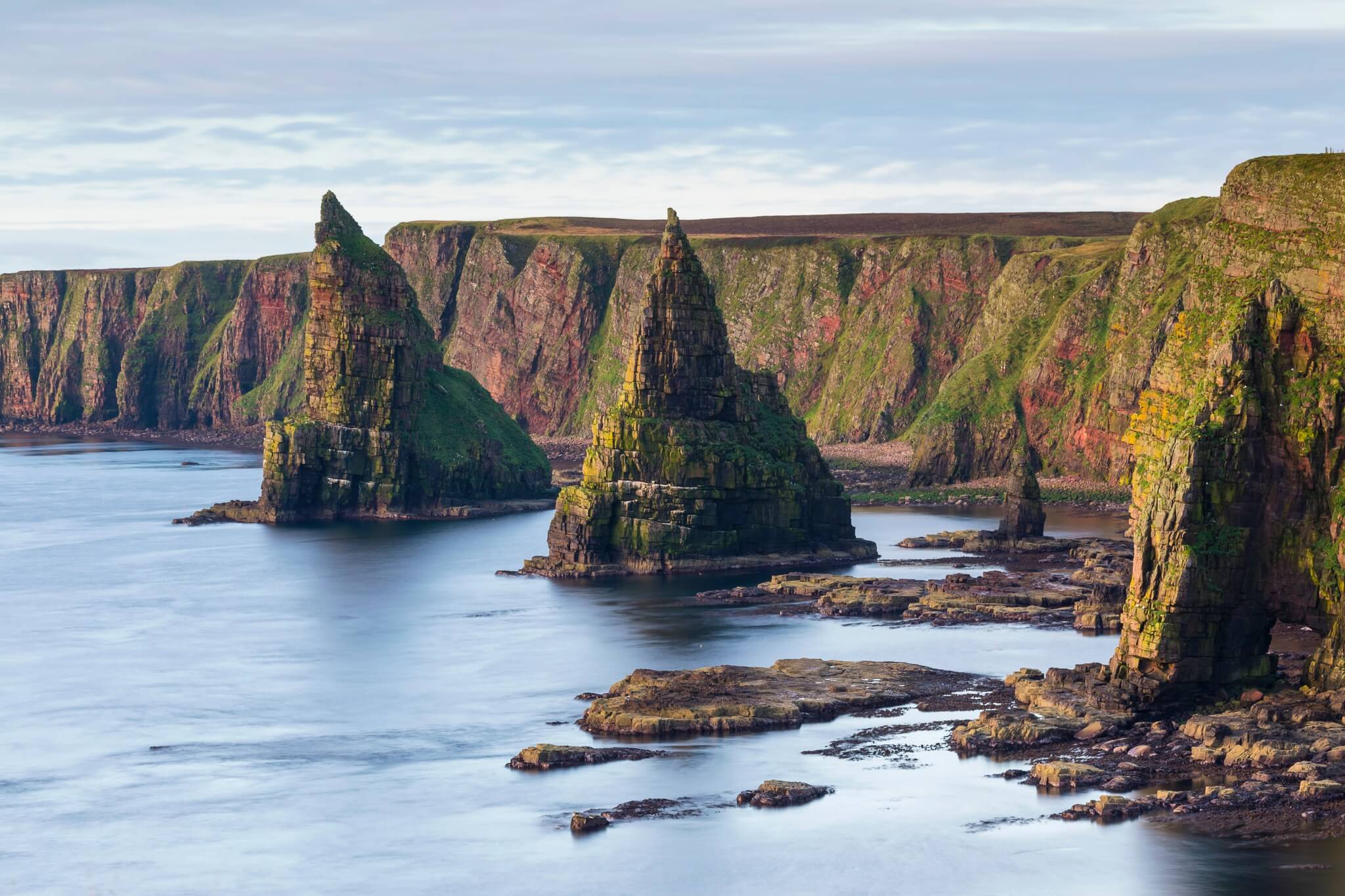
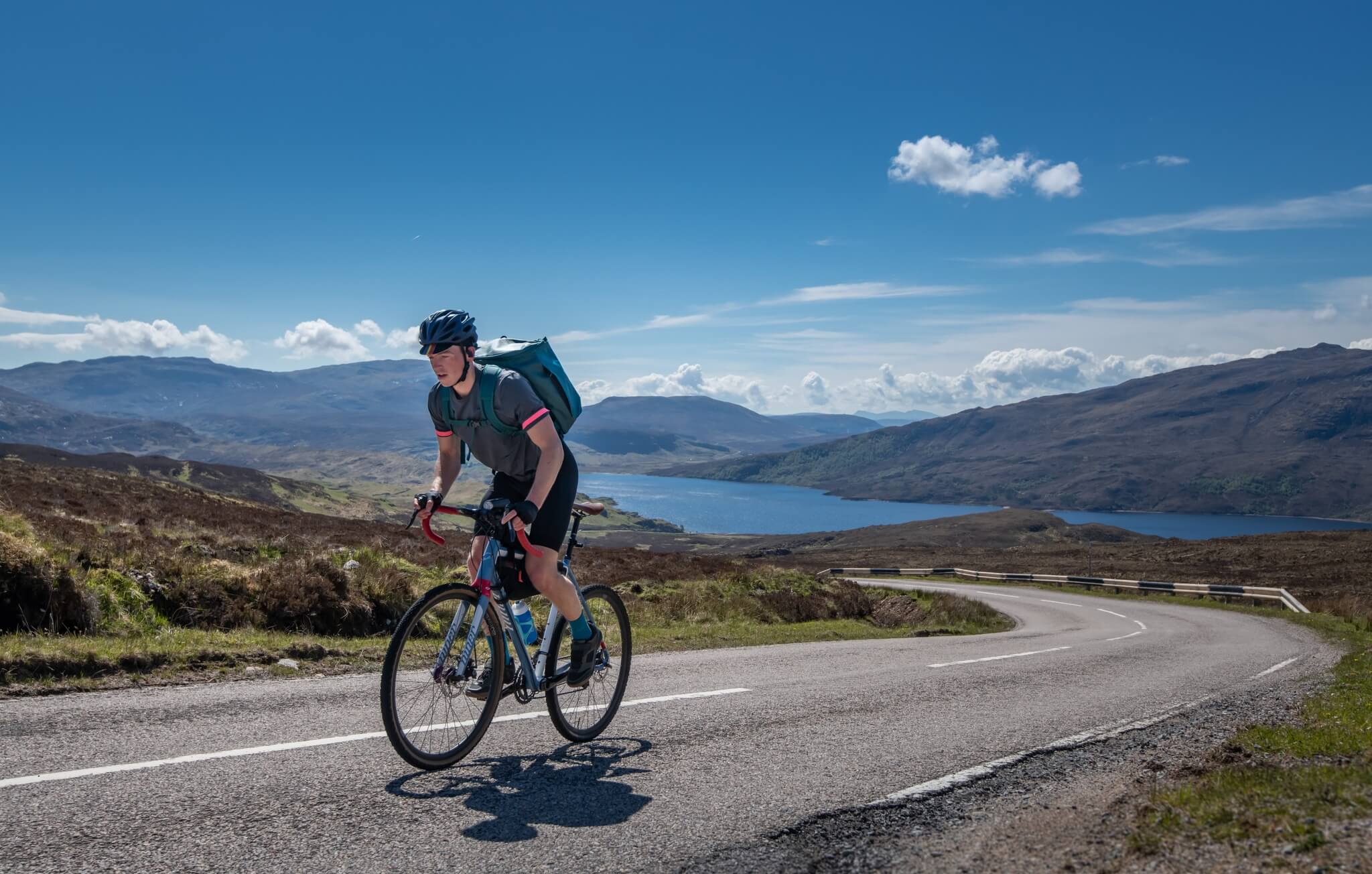
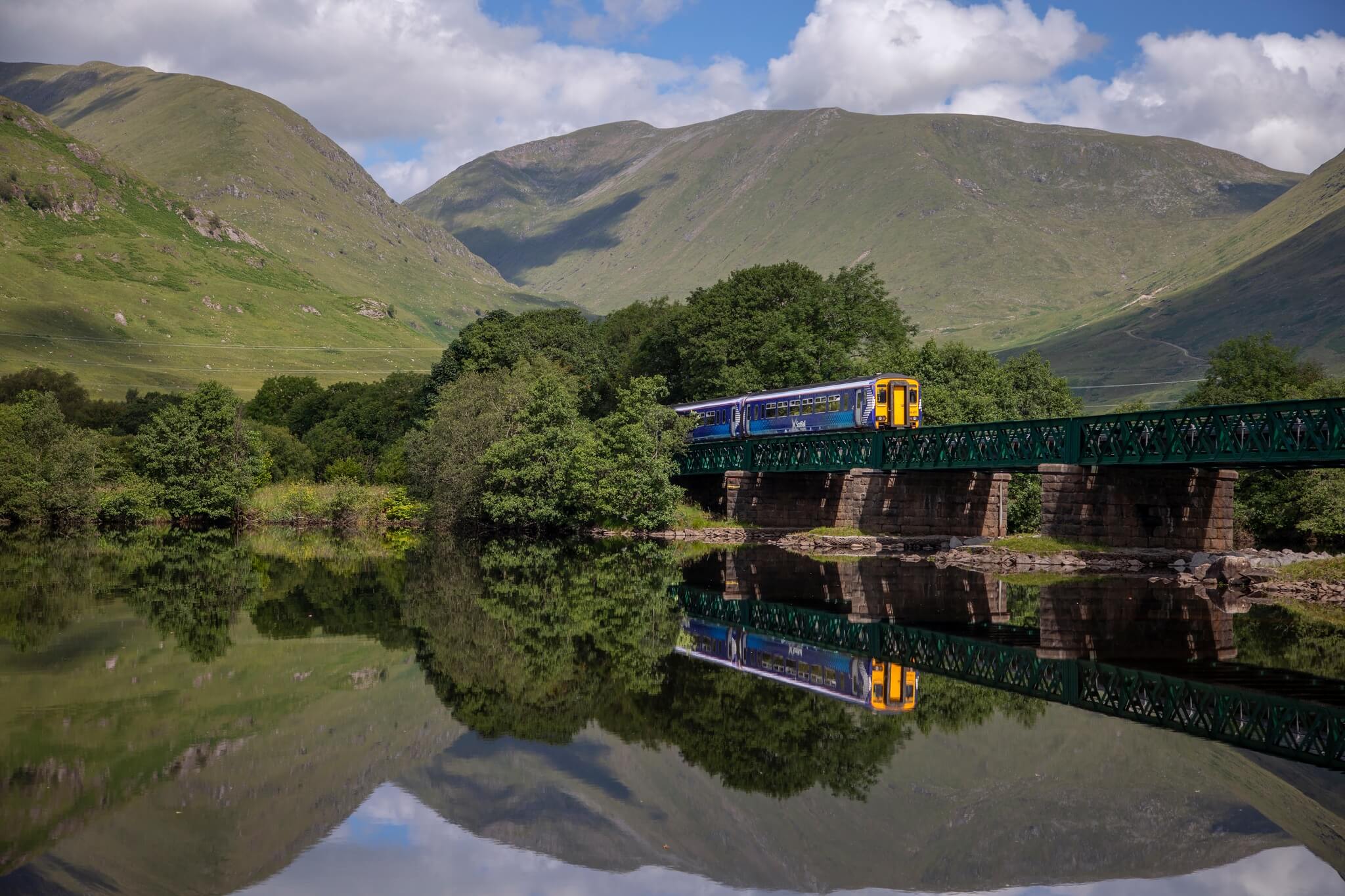
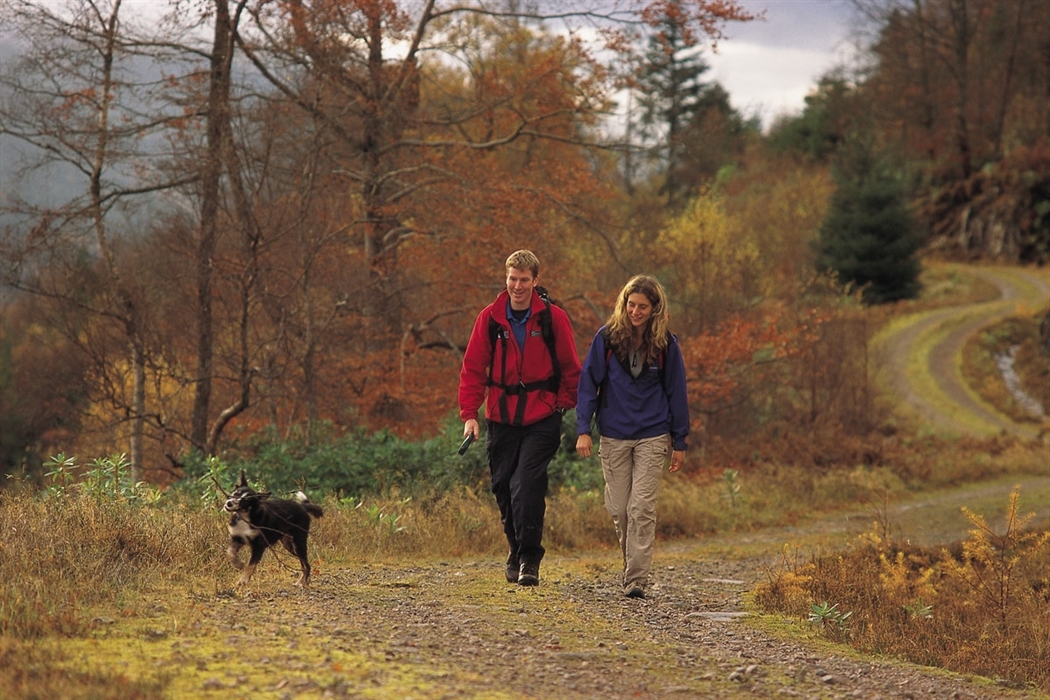
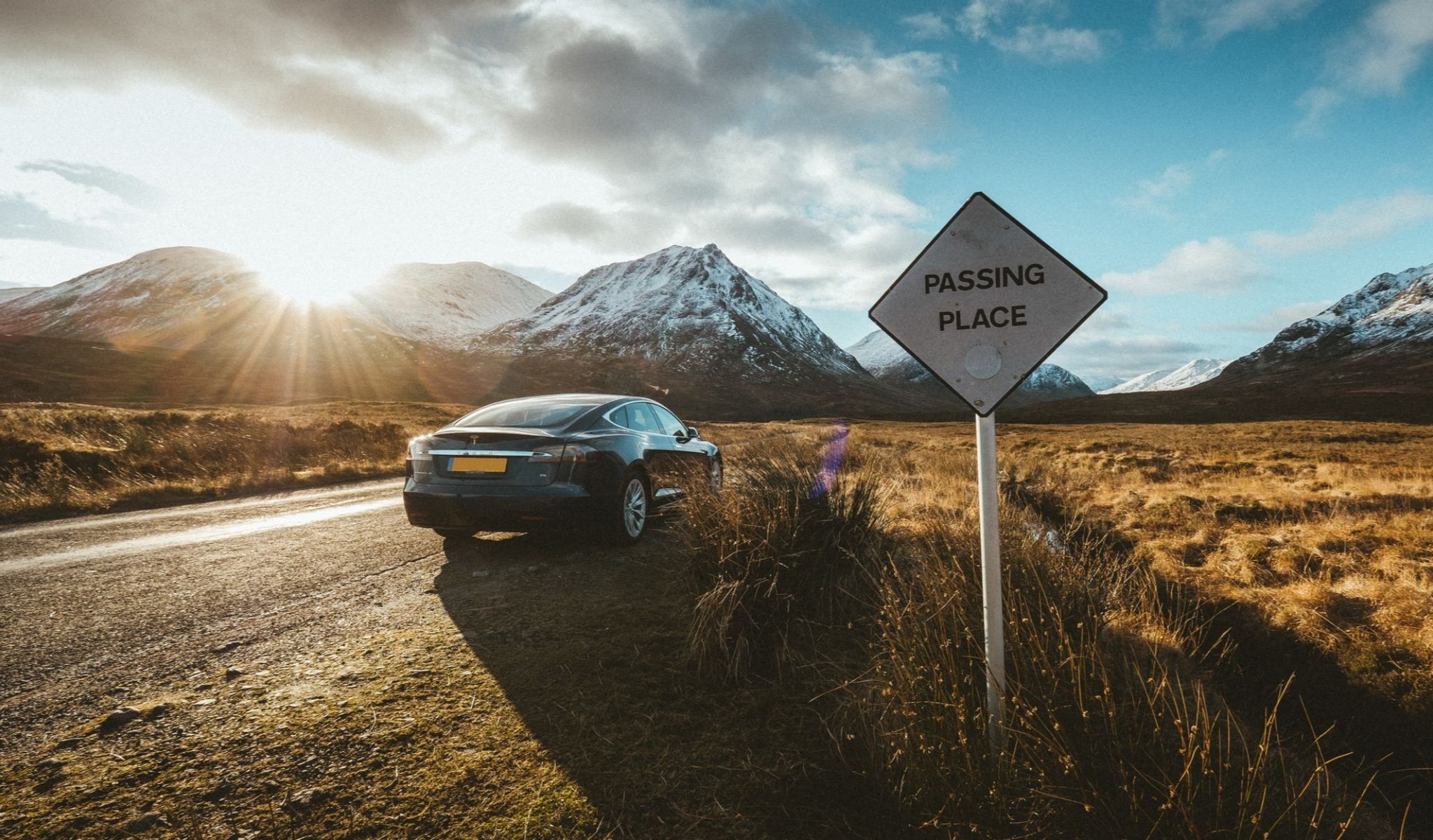
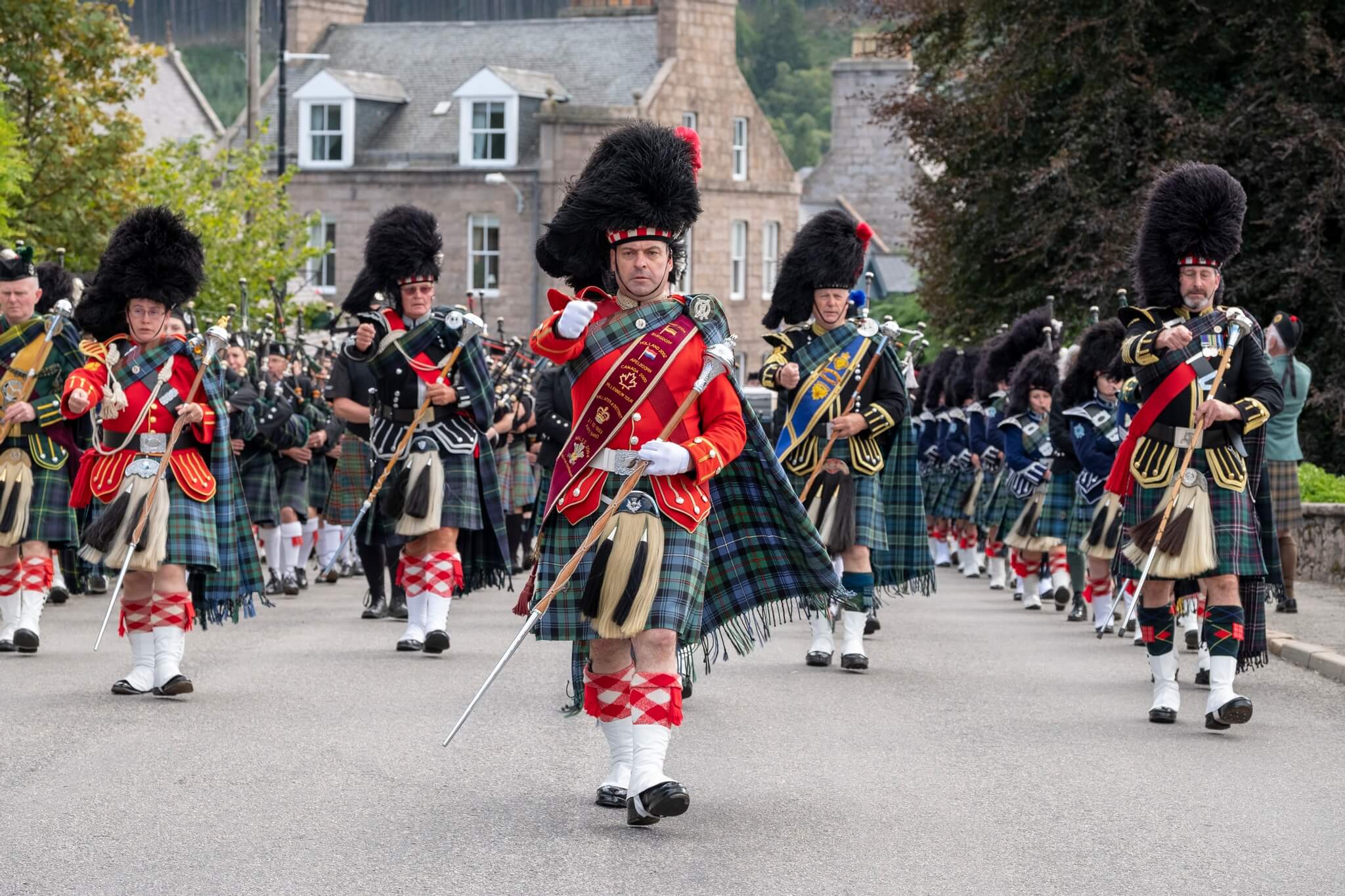
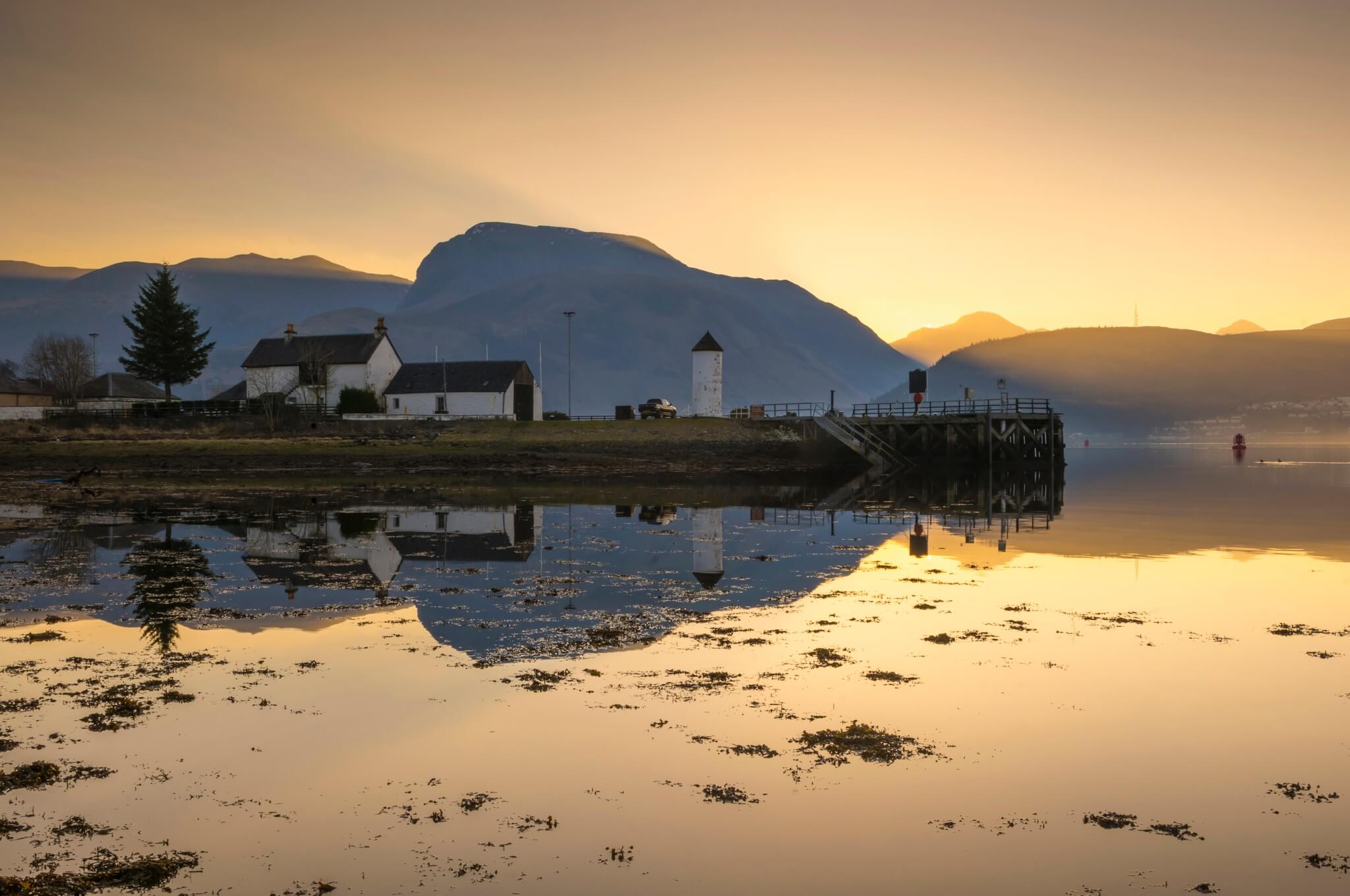
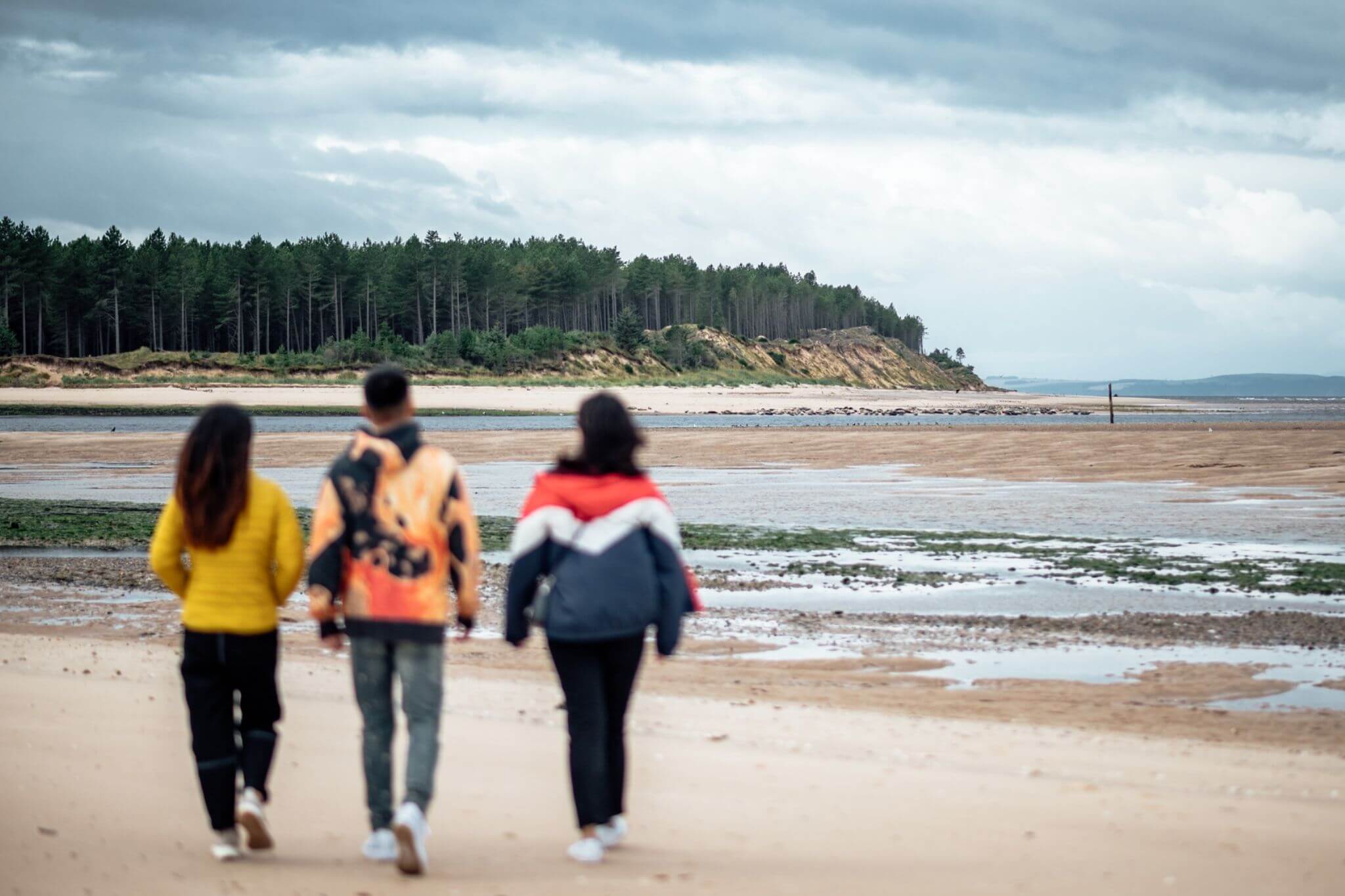
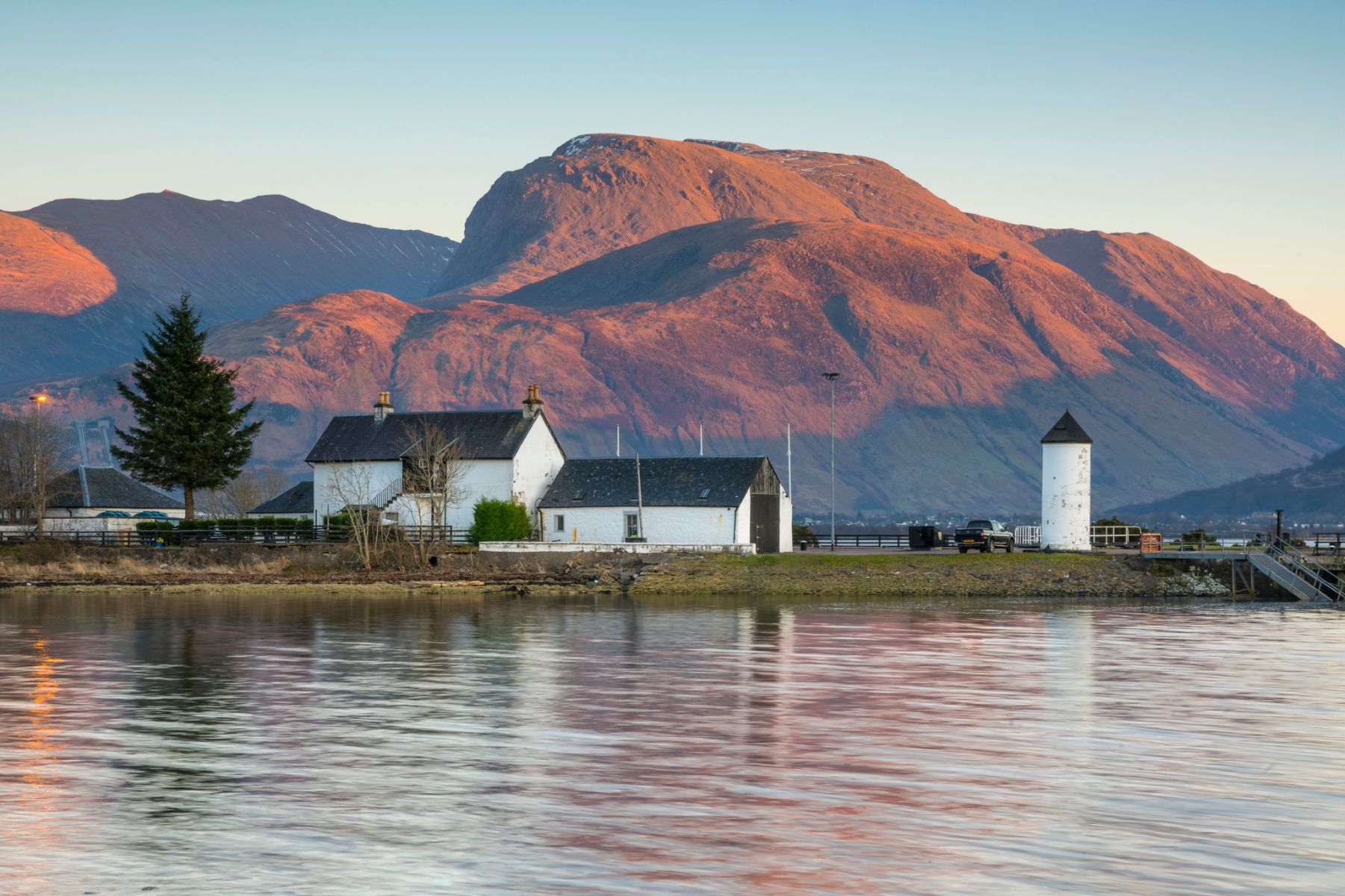
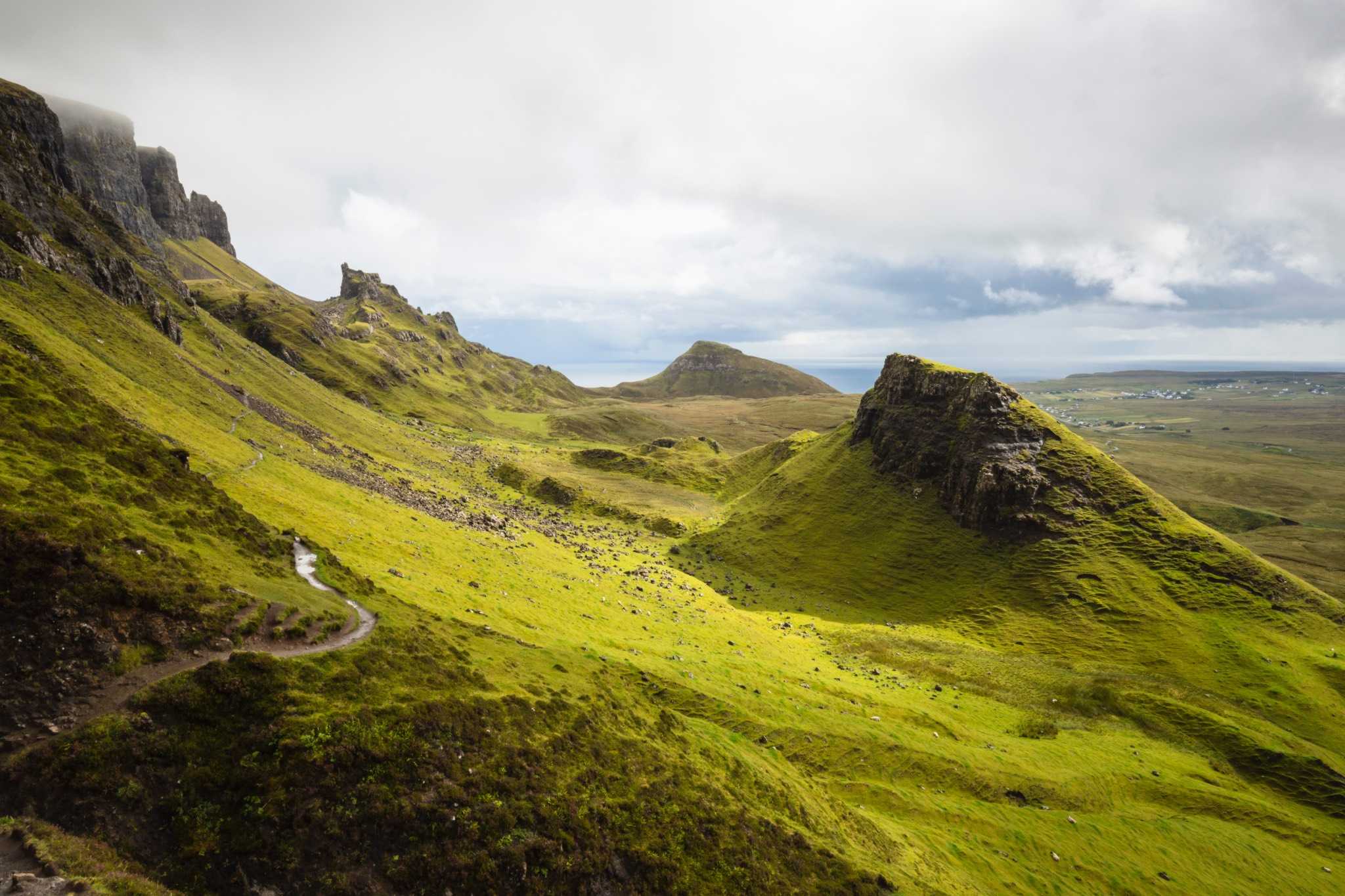
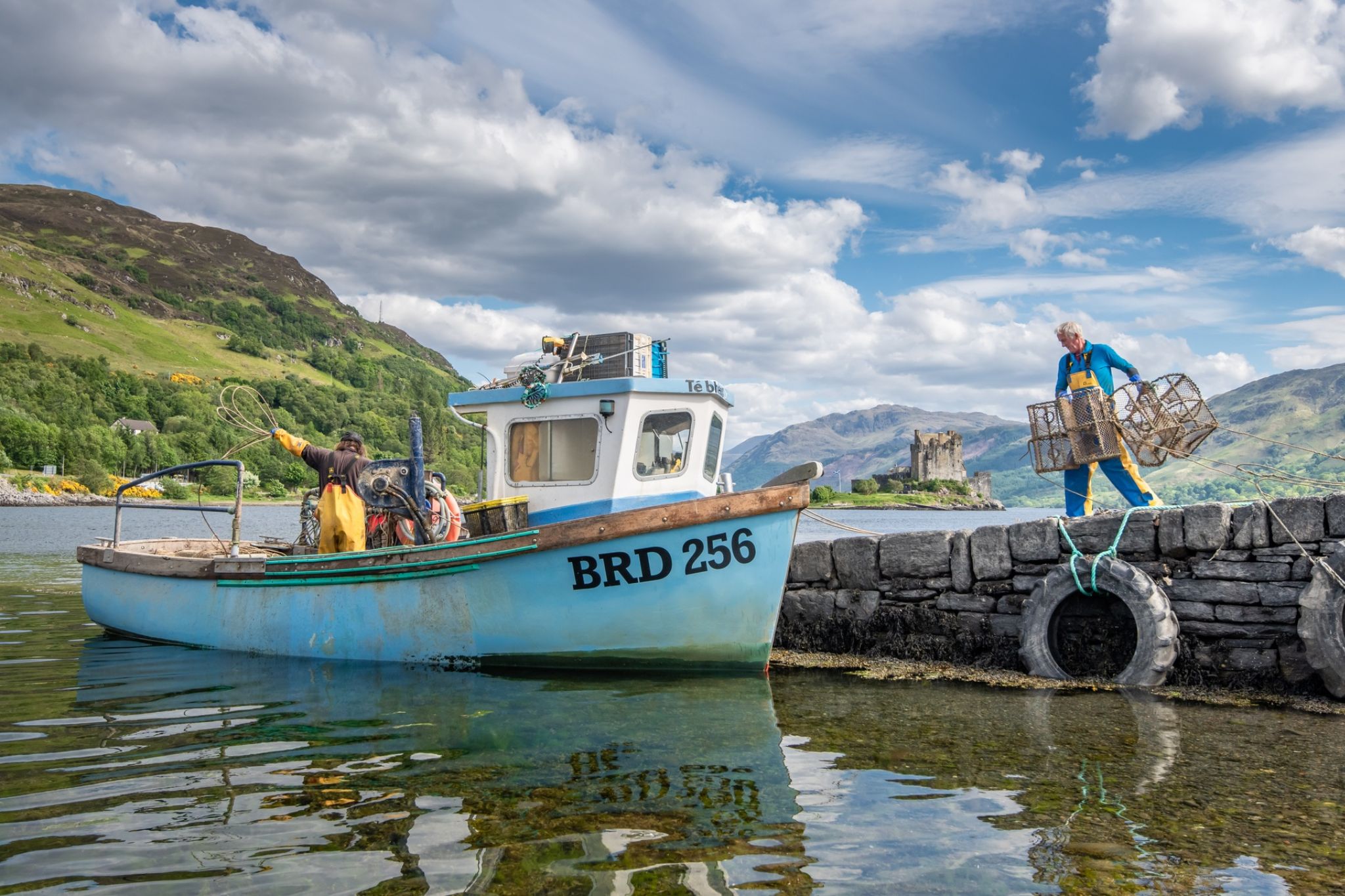
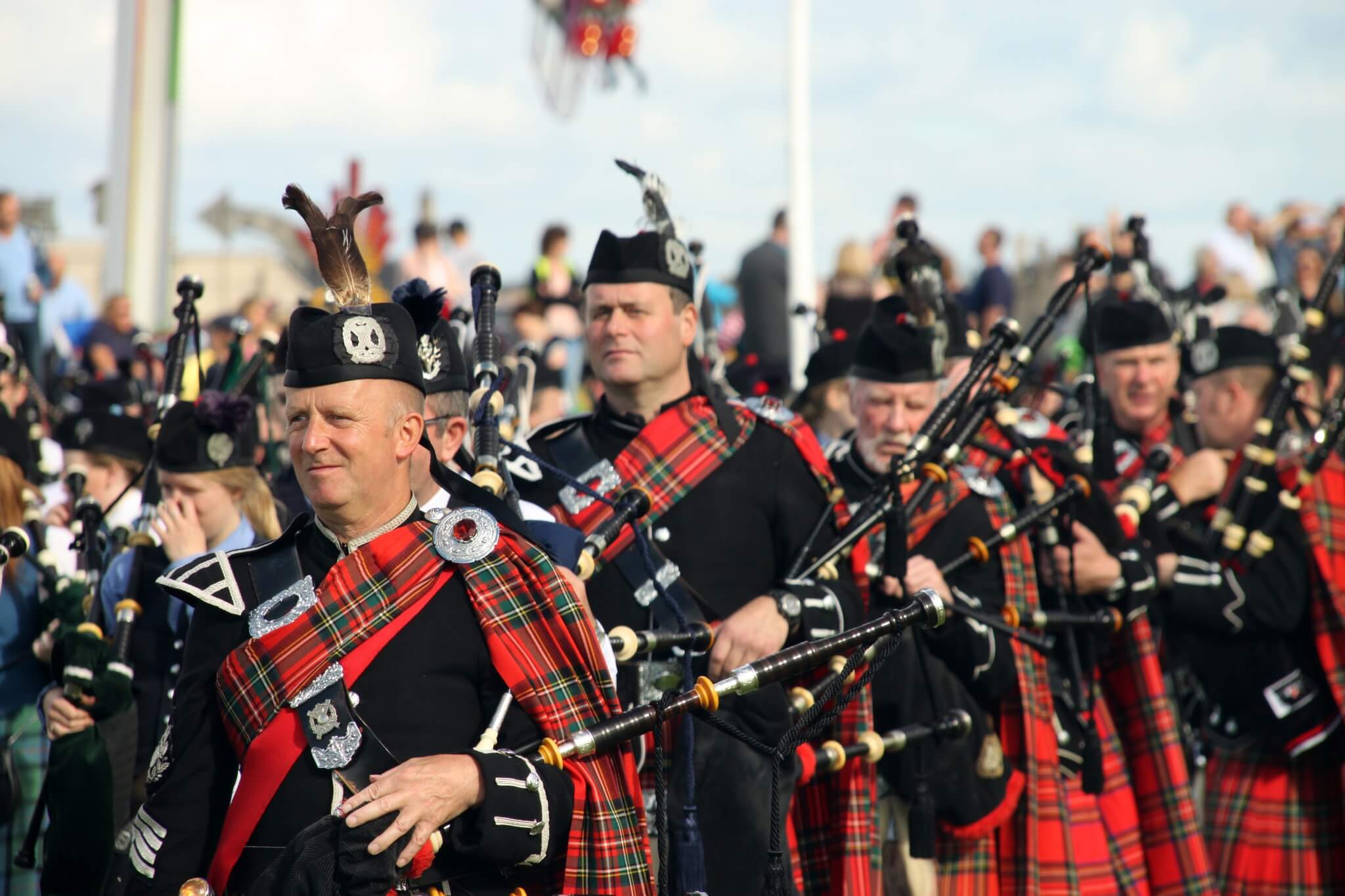
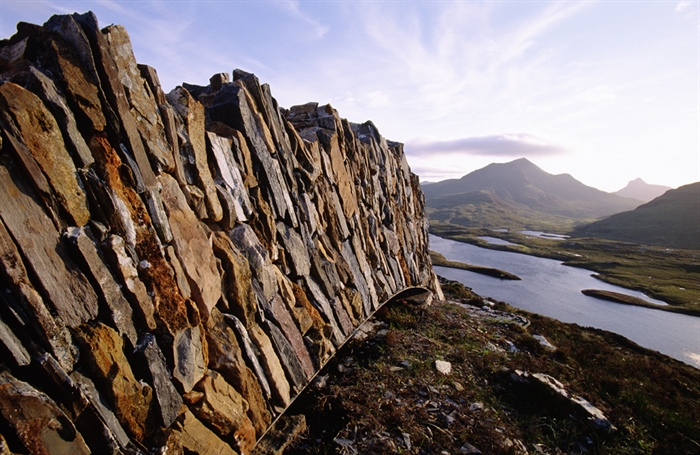
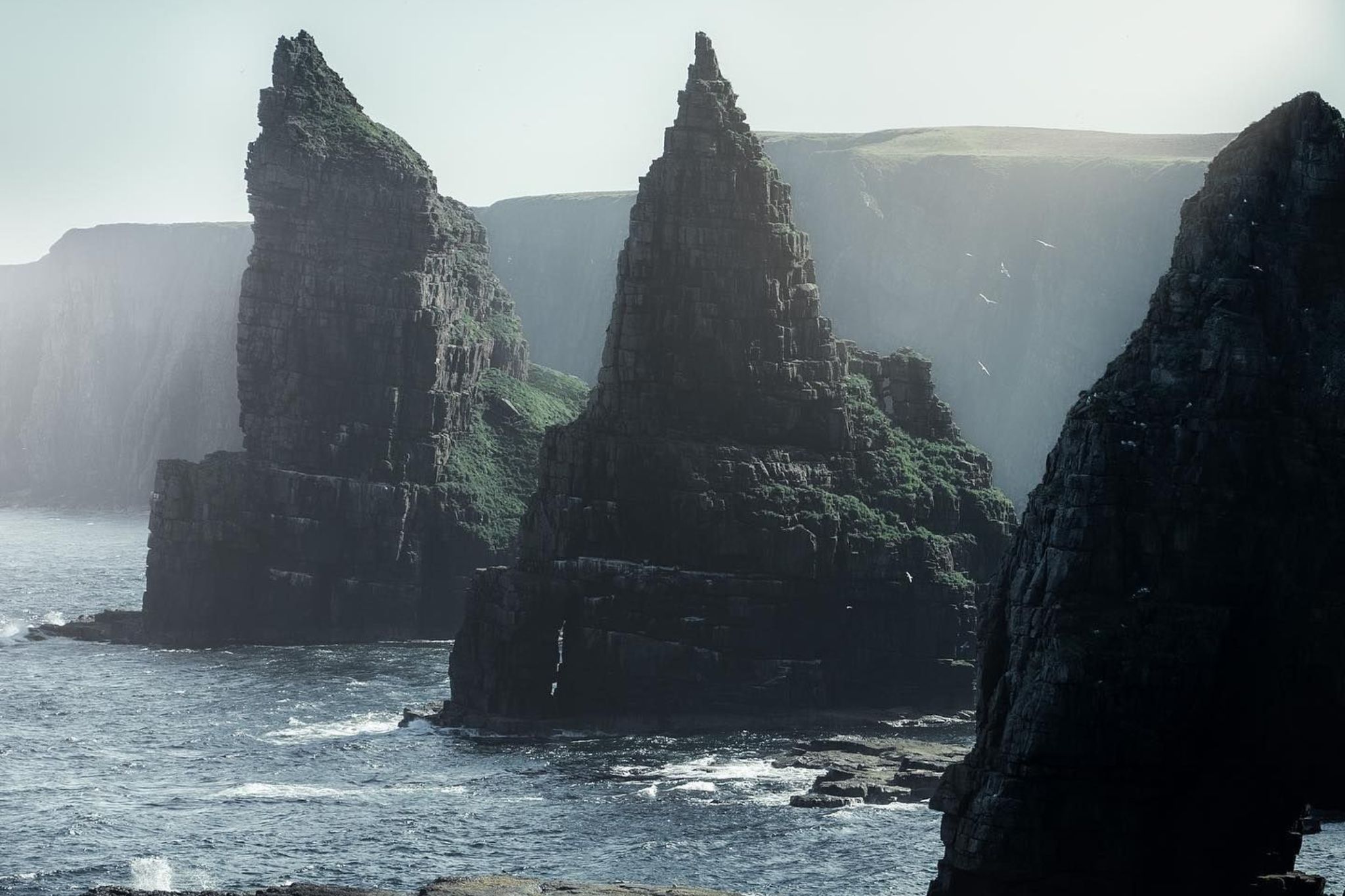
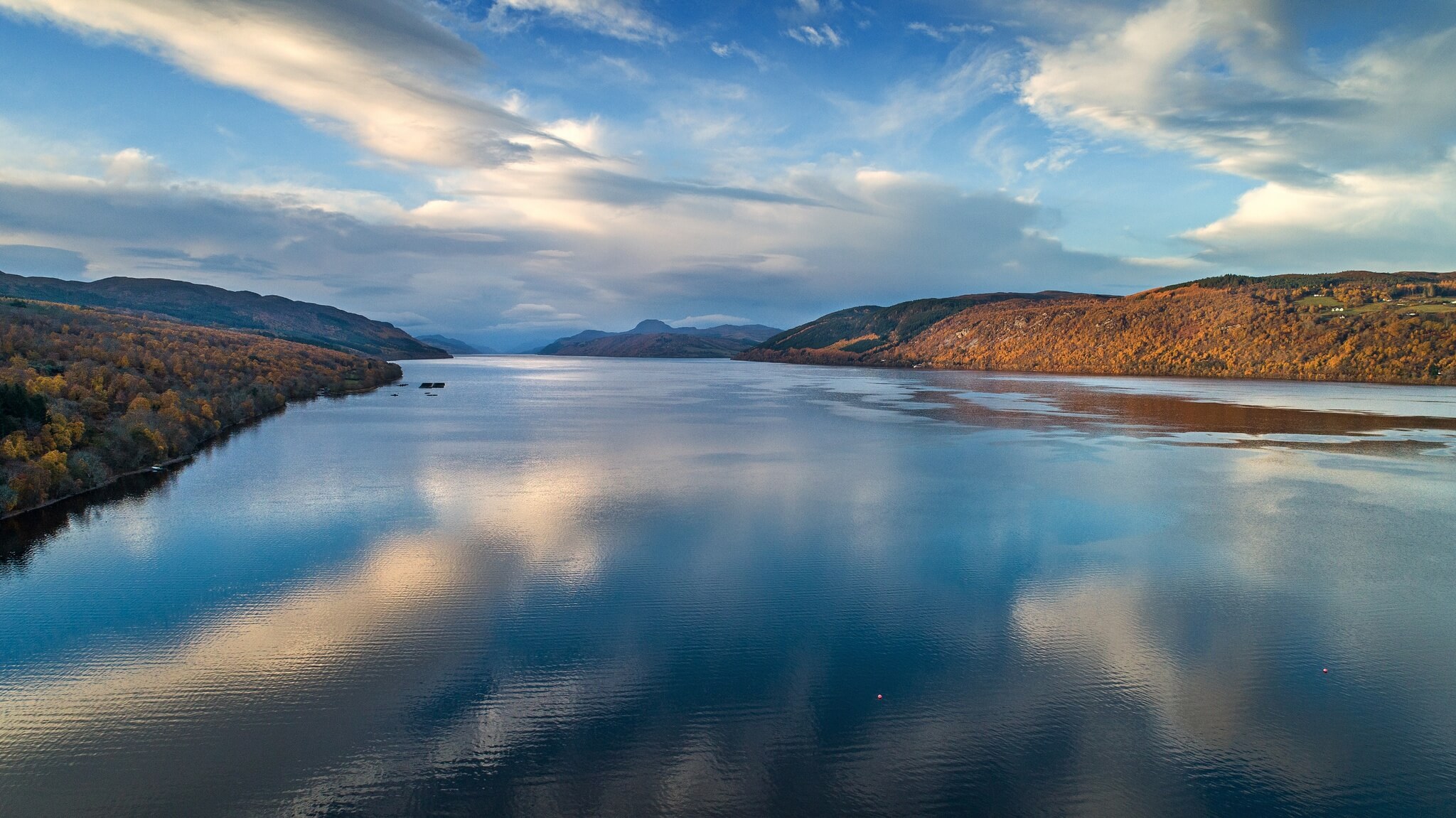
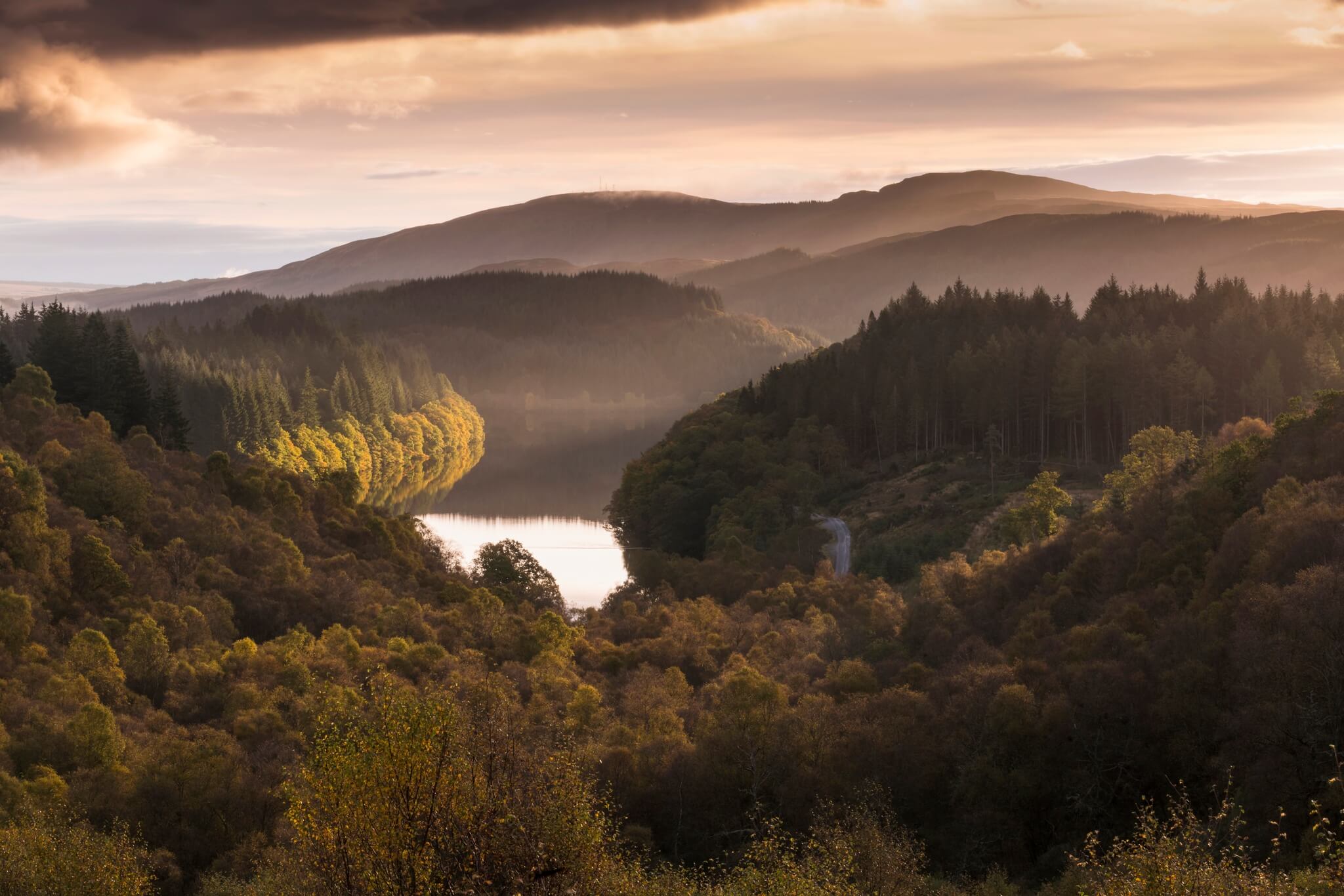
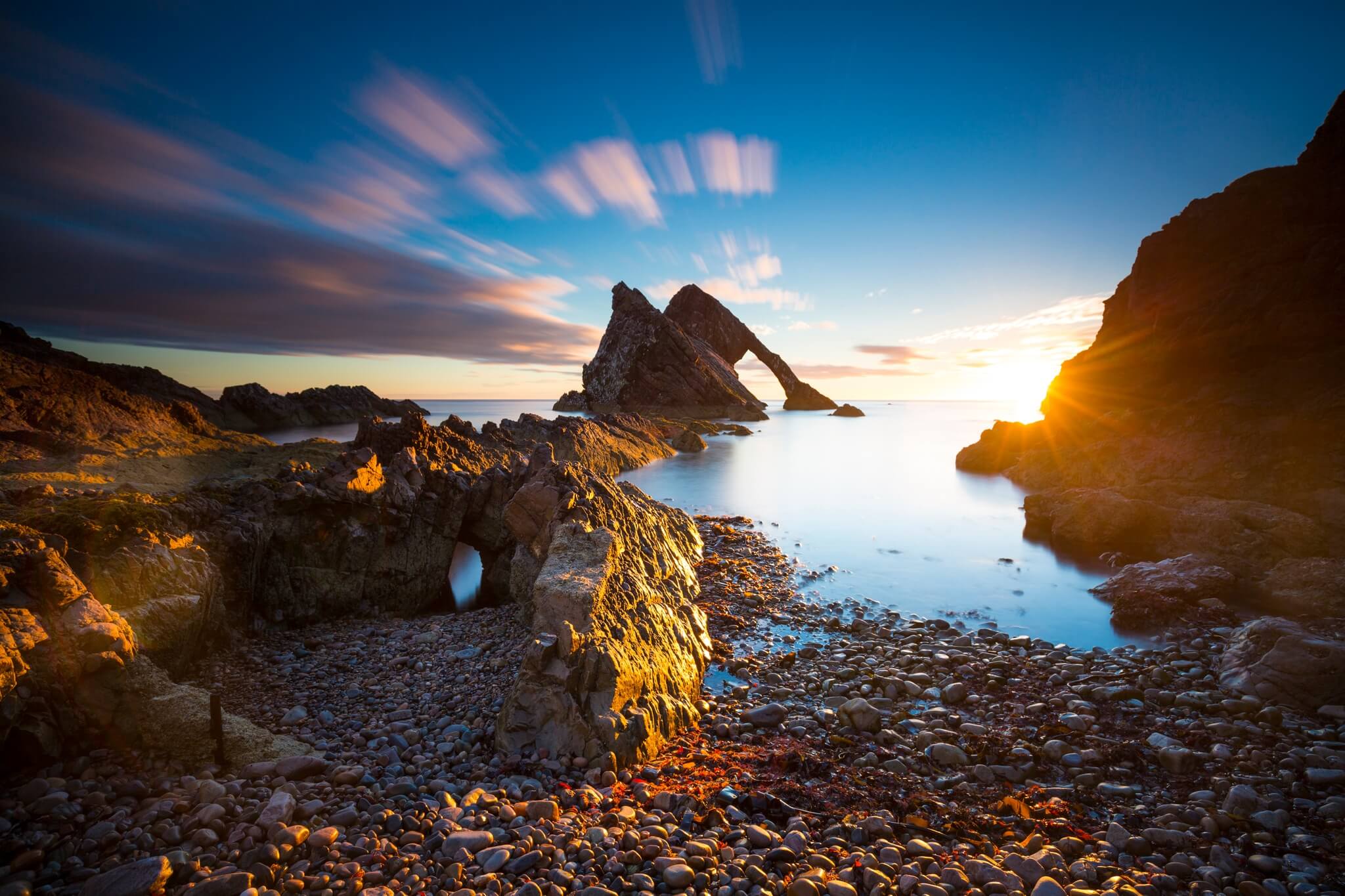
The Highlands have always felt a land apart. Stronghold of the clans, the area is steeped in the myths and legends of Gaelic culture. Large in geography, momentous in scale, the Highlands are home to majestic mountains, deep glens and rugged coastlines. Inverness is the capital of the Highlands, a beautiful city whose libraries and museums hold much reward for the genealogist.
Numerous museums and heritage centres can be found throughout the Highlands, each with a fascinating story to tell. It is difficult to select just one, but if your time is limited, the Highland Folk Museum at Kingussie and Newtonmore provides a fascinating insight into the lives and times of your ancestors.
Find out more about The Highlands
- The county »
- Clan and Family Heartlands »
- Parishes »
- Local Studies Libraries »
- Local Archives Centres »
- Museum and Heritage Centres »
- Family History Society »
- Burials Information »
The county ~ Caithness
Caithness forms the extreme North East of the Scottish mainland. It is fringed by the Pentland Firth to the North, the North Sea to the East, the Moray Firth to the South and Sutherland to the West. It ceased to be a county in 1975 when it became part of Highland Region. The county town was Wick with the only other town of any size being Thurso.
Clan and Family Heartlands
You can get a feel for the lives your ancestors lived by visiting the area they came from. These are areas where, for centuries, families lived together in a tightly-knit community. In the Highlands they are linked to clan heartlands, whereas, in the rest of Scotland the names are often those of the local landed families. Although it is unlikely that family historians can link their ancestry to clan chiefs or family dynasties, it can still be a moving experience to tour the clan and family heartlands.
Here is a selection of the most common names in this area.
Sinclair: Family name of Earldom of Caithness
Gunn: Concentrated in the south of the county
Parishes
The Parish Church can unlock many secrets for ancestral researchers. Not only was it the place where children were baptised, proclamations of marriage announced and the dead buried, it was also the centre of most social activity within the Parish. There is, however, no such thing as a definitive list of parishes. Over the decades they have merged, divided, been renamed and had changes made to their spelling. The following list is based largely on the situation at the time of publication of the New Statistical Account (1834-1845).
Bower,
Canisbay,
Dunnet,
Halkirk,
Latheron,
Olrick(Olrig),
Reay,
Thurso,
Watten
* subsequently divided into seperate parishes, ( ) denotes alternative name or spelling
Detailed information on life and work within each of these parishes can be found in the Old (1791-99) and the New (1834-45) Statistical Account of Scotland. These are freely accessible on http://edina.ed.ac.uk/statacc. Part of their charm is the individual views of the minister, which can include some fascinating accounts of a parish's history, topography, employment, landowners, communications, agriculture and even the morality of the parishioners
Local Studies Libraries
Almost every municipal authority in Scotland has a collection of local history publications, maps and archives. Although most of these libraries are prepared to undertake a limited amount of searching on your behalf, it is far more fulfilling to visit them yourself. You could lose yourself for hours, pouring over old newspapers and photographs.
The following is a list of the libraries in your chosen area:
Highland Council Genealogy Centre
Inverness Library
Farraline Park
Inverness
IV1 1NH
Tel: +44 1463 236463 Ext 9
Tel: +44 1463 220330 Ext 9
Fax: +44 1463 711128
E-mail:
genealogy@highland.gov.uk
Highland Council Genealogy Centre Website
Open: Mon-Fri, 09:00 - 13:00 & 14:00 - 17:00.
Wick Library
Sinclair Terrace
Wick
KW1 5AB
Tel: +44 1955 602864
Fax: +44 1955 603000
Open: Mon & Thu, 10:00 - 18:00, Wed & Sat, 10:00 - 13:00, Tue & Fri 10:00 - 20:00.
Newspaper collections include John o' Groats Journal (1836 to date) and Northern Ensign (1850-1926 gaps).
Local Archives Centres
Almost every municipal authority in Scotland has a collection of local history publications, maps and archives. Although most of these libraries are prepared to undertake a limited amount of searching on your behalf, it is far more fulfilling to visit them yourself. You could lose yourself for hours, pouring over old newspapers and photographs.
The following is a list of the archive offices in your chosen area:
North Highland Archive
Wick Library
Sinclair Terrace
Wick
KW1 5AB
Tel: +44 1955 606432
Fax: +44 1955 603000
E-mail:
phil.astley@highland.gov.uk
www.highland.gov.uk/leisureandtourism/what-to-see/archives/northhighlandarchives
Open: Mon & Thu-Fri, 10:00 - 13:00 & 14:00 - 17:30, Tue 10:00 -
13:00 & 14:00 - 20:00 & Wed 10:00 - 13:00.
By appointment only
Covers Caithness county records plus those for Thurso and Wick.
Museum and Heritage Centres
Scotland is a country with a remarkable history. So it should come as no surprise that Scotland is home to a remarkable collection of museums and heritage centres. These range from the major, internationally renowned collections in Edinburgh's Royal Museum of Scotland to hundreds of small centres that specialise in the history of local communities. The following museums are all in your chosen area. A visit to any one of them may well shed new light on the lives led by your ancestors.
Clan Gunn Heritage Centre and Museum
Latheron
Caithness
KW5 6DG
Tel: +44 1593 741700 (during season)
01593 721325 (out of season)
Open: June-September Mon-Sat 11:00-13:00, 14:00-16:00; July and August 14:00-16:00 daily
Tells the story of one of Scotland's oldest clans from its Norse origins to the present day.
Dunbeath Heritage Centre
Old School
Dunbeath
Caithness
KW6 6ED
Tel/Fax: +44 1593 731233
Open: April-October, daily, 10:00-17:00; November-March Mon-Fri 11:00-15:00.
Heritage, landscape, interpretation and study centre, local and family history, research library, etc.
Waterlines Visitor Centre
Lybster Harbour
Lybster
Caithness
KW3 6BT
Tel: +44 1593 721520
Open: May-September, daily 11:00-17:00
Natural heritage centre focussing on the history of the local herring industry.
Mary Ann's Cottage
Westside
Dunnet
Caithness
KW14 7UN
Tel: +44 1847 851765
Open: June-September
Historic cottage which shows how crofting folk lived and worked over the last 150 years.
Laidhay Croft Museum
Dunbeath
Caithness
KW6 6EH
Tel: +44 1593 731244
Open: April-October, daily, 10:00 - 18:00.
A typical long-house or byre-dwelling which gives an insight into everyday life for 18th Century croft dwellers.
Family History Society
Local societies are run by volunteers who meet together periodically. Most maintain an index of members' interests - and this could well lead to the discovery of a long lost cousin or two. If there are any such societies in your chosen area, they will be listed below.
Caithness Family History Society
Hon Secretary
Angela E Lewis
Mill Cottage
Dunnet
Corsback
Caithness
KW14 8XQ
E-mail:
a.e.lewis@btinterneet.com
www.caithnessfhs.org.uk
Highland Family History Society
c/o Highland Council Genealogy Centre
Inverness Library
Farraline Park
Inverness
IV1 1NH
Tel: +44 1463 236463
Fax: +44 1463 711128
E-mail:
angus.bethune@tesco.net
www.highlandfhs.org.uk
Details of members' research interests held on computer.
It may seem a little odd, but a visit to the burial ground of an ancestor can make you feel more closely connected to them. However, tracking down the specific plot, or lair as they were referred to in Scotland, depends on the period of time when the deaths occurred.
Up to the mid-19th century it was the normal practice for people to be interred in the Parish Kirk burial ground - although this was only rarely marked with anything as grand as a headstone. The Scottish Association of Family History Societies (SAFHS) is currently co-ordinating a major project to develop a National Burial Index, relating to pre-1855 records. This will eventually be available on CD ROM. Although this will help to confirm that burials took place in parish burial grounds, it will not, unfortunately, indicate the location of the lair.
If your ancestor was wealthy enough, their grave may have been marked by an inscribed headstone. Over the years, family history societies and other volunteer groups have painstakingly transcribed and indexed such inscriptions - and these are nearly always held in the relevant local history libraries or family history research centres.
By the mid-19th Century, many parish burial grounds had become seriously overcrowded, especially those in urban areas, and this led to the creation of both private and municipal cemeteries. If you know the place and date of death, you should be able to discover the location of a lair, although not all cemeteries and records have survived.
The concept of cremation started to gain popularity in the late 1940s and has increased ever since. Ashes may be taken away by the family, scattered in the garden of remembrance or buried either in the crematorium or in a family plot.
Transport and Community Work
Market Square
Wick
Caithness
KW1 4AB
Tel: +44 1955 607 737
Fax: +44 1955 606 376
Email: angela.grant@highland.gov.uk
A charge of £18.00 (plus VAT) per hour, or part thereof, is charged for personal visits to consult the burial records. Copies cost £23 per extract.
- The county »
- Clan and Family Heartlands »
- Parishes »
- Local Studies Libraries »
- Local Archives Centres »
- Museum and Heritage Centres »
- Family History Society »
- Burials Information »
The county ~ Inverness-shire
Inverness-shire is Scotland's largest county, stretching from the Moray Firth down the Great Glen to Fort William then north-west. The Isle of Skye, and most of what are now designated the Western Isles, also fell within the County. It includes Ben Nevis, Loch Ness and the River Spey. The western coast is heavily indented with sea lochs. The main occupations were crofting and fishing. Inverness, recently created a "city", was the county town and is now the administrative capital for Highland Region. Close to Inverness lies Culloden the site of the last battle on British soil where the Jacobite Army under Prince Charles Edward Stuart was defeated by the Hanoverian Army led by the Duke of Cumberland.
Clan and Family Heartlands
You can get a feel for the lives your ancestors lived by visiting the area they came from. These are areas where, for centuries, families lived together in a tightly-knit community. In the Highlands they are linked to clan heartlands, whereas, in the rest of Scotland the names are often those of the local landed families. Although it is unlikely that family historians can link their ancestry to clan chiefs or family dynasties, it can still be a moving experience to tour the clan and family heartlands.
Here is a selection of the most common names in this area.
McLeod: Especially in Skye
Cameron: Centred in Lochaber
McPherson: Especially in and around Badenoch
McKinnon: Prevalent in eastern Skye
Parishes
The Parish Church can unlock many secrets for ancestral researchers. Not only was it the place where children were baptised, proclamations of marriage announced and the dead buried, it was also the centre of most social activity within the Parish. There is, however, no such thing as a definitive list of parishes. Over the decades they have merged, divided, been renamed and had changes made to their spelling. The following list is based largely on the situation at the time of publication of the New Statistical Account (1834-1845).
Alvie,
Ardersier,
Barray,
Bokeskine and Abertarff (Bokeskine),
Bracadale,
Cromdale (and Inverallan),
Croy and Dalcross,
Daviot,
Dores,
Duirinish,
Glenelg,
Harris,
Inverness,
Kilmalie,
Kilmonivaig,
Kilmorack,
Kilmuir,
Kiltarlity,
Kingussie (and Insh),
Kirkhill,
Laggan,
Moy and Dalarossie,
North Uist,
Pettie (Petty),
Portree,
Sleat,
Small Isles,
Snizort,
South Uist,
Strath Urquhart and Glen(Urquhart and Glenmoriston)
* subsequently divided into seperate parishes, ( ) denotes alternative name or spelling
Detailed information on life and work within each of these parishes can be found in the Old (1791-99) and the New (1834-45) Statistical Account of Scotland. These are freely accessible on http://edina.ed.ac.uk/statacc. Part of their charm is the individual views of the minister, which can include some fascinating accounts of a parish's history, topography, employment, landowners, communications, agriculture and even the morality of the parishioners.
Local Studies Libraries
Almost every municipal authority in Scotland has a collection of local history publications, maps and archives. Although most of these libraries are prepared to undertake a limited amount of searching on your behalf, it is far more fulfilling to visit them yourself. You could lose yourself for hours, pouring over old newspapers and photographs.
The following is a list of the libraries in your chosen area:
Highland Council Genealogy Centre
Inverness Library
Farraline Park
Inverness
IV1 1NH
Tel: +44 1463 236463 Ext 9
Fax: +44 1463 711128
E-mail:
genealogy@highland.gov.uk
Open: Mon-Fri, 09:00 - 13:00 & 14:00 - 17:00.
Personal consultations with the genealogist are provided.
Highland Photographic Archive
Service Point
Church Street
Inverness
IV1 1DY
Tel: +44 1463 703912
Fax: +44 1463 703918
E-mail:
lesley.junor@highland.gov.uk
Open: Mon-Fri, 09:00 - 17:00.
Most of the 150,000 images relate to Inverness itself, many of them produced by the old Whyte Photographic Studio.
Local Studies Collection
Stornoway Library
19 Cromwell Street
Stornoway
Isle of Lewis
HS1 2DA
Tel: +44 1851 708631
Fax: +44 1851 708676
E-mail:
dfowler@cne-siar.gov.uk
www.cne-siar.gov.uk
Open: Mon-Thu & Sat, 10:00 - 17:00 & Fri 10:00 - 19:00.
Newspapers include The Stornoway Gazette (1917-date) and several others. There is a collection of Isle of Lewis croft histories and a Lewis marriage index compiled by Bill Lawson of Co Leis Thu. In addition to Church of Scotland Registers, records are maintained of Roman Catholic baptisms and marriages.
Local Archives Centres
Almost every municipal authority in Scotland has a collection of local history publications, maps and archives. Although most of these libraries are prepared to undertake a limited amount of searching on your behalf, it is far more fulfilling to visit them yourself. You could lose yourself for hours, pouring over old newspapers and photographs.
The following is a list of the archive offices in your chosen area:
Highland Council Archive
Inverness Library
Farraline Park
Inverness
IV1 1NH
Tel: +44 1463 220330
Fax: +44 1463 711128
E-mail:
archives@highland.gov.uk
Open: Mon-Thu, 10:00 - 13:00 & 14:00 - 17:00,
By appointment only
The archive comprises the official records of Inverness-shire (including Skye and its burghs, dating from the 15th to the 20th century. These records include registers of deeds and legal papers, school log books and admission registers, poor law registers and several court papers. The archive also holds the papers of many highland families, estates, businesses and societies from the 16th century to date.
Western Isles
Stornoway Library
19 Cromwell Street
Stornoway
Isle of Lewis
HS1 2DA
Tel: +44 1851 703064
Fax: +44 1851 705657
www.cne-siar.gov.uk
Western Isles archives include school board minute books (1870's-1930's), school log books and estate records.
Co Leis Thu
Northton (Taobh Tuath)
Isle of Harris
HS3 3JA
Tel/Fax: +44 1859 520258
E-mail: seallam@cs.com
www.seallam.com
Open: Mon-Sat, 09:00 - 18:00.
The universally renowned family history centre for the Western Isles. Contains a vast resource of information on local families, crofts and villages and on those who emigrated.
Community Library
Sgoil Lionacleit
Liniclate
Isle of Benbecula
HS7 5PJ
Tel: +44 1870 602211
Fax: +44 1870 602817
Open: Mon & Thu, 09:00 - 16:30, Tue & Fri 09:00 - 20:00, Wed 09:00 - 12:30 & 13:30 - 16:00, Sat 11:00 - 13:00 & 14:00 - 16:00.
Community Library
Castlebay Community School
Castlebay
Isle of Barra
HS9 5XD
Tel: +44 1871 810471
Fax: 44 1871 810650
Open: Mon & Wed, 09:00 - 16:30, Tue 09:00 - 16:30 & 18:00 - 20:00, Thu 09:00 - 16:00 & 18:00 - 20:00, Fri 09:00 - 15:30, Sat 10:00 - 12:30. Closed everyday between 13:00 - 14:00.
Isle of Skye
Clan Donald Library
Armadale Castle
Ardvasar
Isle of Skye
IV45 8RS
Tel: +44 1599 534454
Fax: +44 1471 844735
E-mail:
library@cland.demon.co.uk
www.clandonald.com
Open: Easter-October, daily, 09:30 - 17:30.
Booking is advisable, other times available by appointment.
A comprehensive collection of publications on Highland history, literature and culture. Over 4000 photographs, MacDonald estate papers for Skye and North Uist, together with family history collections, census returns and parish registers.
Museum and Heritage Centres
Scotland is a country with a remarkable history. So it should come as no surprise that Scotland is home to a remarkable collection of museums and heritage centres. These range from the major, internationally renowned collections in Edinburgh's Royal Museum of Scotland to hundreds of small centres that specialise in the history of local communities. The following museums are all in your chosen area. A visit to any one of them may well shed new light on the lives led by your ancestors.
Clan Donald, Armadale Castle, Gardens and Museum of the Isles
Sleat
Isle of Skye
IV45 8RS
Tel: +44 1471 844305
www.clandonald.com
Open: April-October, daily 09:30-17:30
Discover the history of the Highlands and Islands through the story of Clan Donald, at the award-winning museum.
Highland Museum of Childhood
The Old Station
Strathpeffer
IV14 9DH
Tel: +44 1997 421031
E-mail: info@hmoc.freeserve.co.uk
Highland Museum of Childhood Website
Open: March-October Mon-Sat 10:00-17:00; Sun 13:00-17:00; July-August, Mon-Fri 10:00-19:00; Sat 10:00-17:00; Sun 14:00-17:00
Displays include children at work, at school and at play.
Inverness Museum and Art Gallery
Castle Wynd
Inverness
IV2 3EB
Tel: +44 1463 237114
Open: Mon-Sat 09:00-17:00
Displays of human history of Inverness and the Highlands
Highland Folk Museum, Kingussie
Duke Street
Kingussie
PH21 1JG
Tel: +44 1540 661307
Open: April-October, daily
An open air museum featuring a black house and a wide range of farming equipment.
Highland Folk Museum, Newtonmore
Aultlarie
Newtonmore
PH21 1JG
Tel: +44 1540 661307
Open: April-October, daily
Award-winning open air museum including a reconstruction 18th century farming township, a school and much else.
Family History Society
Local societies are run by volunteers who meet together periodically. Most maintain an index of members' interests - and this could well lead to the discovery of a long lost cousin or two. If there are any such societies in your chosen area, they will be listed below.
Highland Family History Society
c/o Highland Council Genealogy Centre
Inverness Library
Farraline Park
Inverness
IV1 1NH
Tel: +44 1463 236463
Fax: +44 1463 711128
E-mail:
angus.bethune@tesco.net
Highland Council Genealogy Centre Website
Details of members' research interests held on computer.
It may seem a little odd, but a visit to the burial ground of an ancestor can make you feel more closely connected to them. However, tracking down the specific plot, or lair as they were referred to in Scotland, depends on the period of time when the deaths occurred.
Up to the mid-19th century it was the normal practice for people to be interred in the Parish Kirk burial ground - although this was only rarely marked with anything as grand as a headstone. The Scottish Association of Family History Societies (SAFHS) is currently co-ordinating a major project to develop a National Burial Index, relating to pre-1855 records. This will eventually be available on CD ROM. Although this will help to confirm that burials took place in parish burial grounds, it will not, unfortunately, indicate the location of the lair.
If your ancestor was wealthy enough, their grave may have been marked by an inscribed headstone. Over the years, family history societies and other volunteer groups have painstakingly transcribed and indexed such inscriptions - and these are nearly always held in the relevant local history libraries or family history research centres.
By the mid-19th Century, many parish burial grounds had become seriously overcrowded, especially those in urban areas, and this led to the creation of both private and municipal cemeteries. If you know the place and date of death, you should be able to discover the location of a lair, although not all cemeteries and records have survived.
The concept of cremation started to gain popularity in the late 1940s and has increased ever since. Ashes may be taken away by the family, scattered in the garden of remembrance or buried either in the crematorium or in a family plot.
Inverness City
Cemeteries and Crematorium Office
Highland Council - Inverness
Glenurquhart Road
Inverness
IV3 5NX
Tel: +44 1463 717849
Fax: +44 1463 717 850
Requests in writing in the first instance. It is essential to provide full details, particularly cemetery, date of death and full name. No fee charged at present.
Lochaber
Burial Administrator
Area Protective Services
Highland Council - Lochaber
Fulton House
Gordon Square
Fort William
PH33 6XY
Tel: +44 1397 707 008
Fax: +44 1397 707 009
There are 16 burial grounds within Fort William and surrounding areas. As the records are in ledger form, and are not indexed, detailed information is essential. This applies particularly to Cameron's, Campbell's and MacDonald's where an address is often required as a means of identification. There is a standard search fee of £18 plus VAT. Copies of the ledger entry are available free of charge.
Badenoch & Strathspey
Burial Administrator
Highland Council Protective Services
Ruthven Road
Kingussie
PH21 1EJ
Tel: +44 1540 664 500
Fax: +44 1540 661 004
Several old churchyards within this area have no plans of lairs or burial records. Visitors to the above office are required to make an appointment and to give as much information as possible. A search fee of £18 per hour is charged.
Skye & Lochalsh
Roads, Community and Protective Services
Highland Council - Skye and Lochalsh
Broom Place
Portree
Isle of Skye
IV51 9HF
Tel: +44 1478 612 727
Fax: +44 1478 612 255
Email: skye&lochalsh.area@highland.gov.uk
There are 42 burial grounds within the Authority area, nine of them being classified as heritage sites. The records held relate to post-1900 deaths, and not all burial grounds have complete records or lair plans. Requests for searches must be made in writing. A search fee of £18 plus VAT per hour or part thereof is charged.
- The county »
- Clan and Family Heartlands »
- Parishes »
- Local Studies Libraries »
- Local Archives Centres »
- Museum and Heritage Centres »
- Family History Society »
- Burials Information »
The county ~ Nairnshire
The county of Nairn lies to the east of Inverness on the south shore of the Moray Firth, its only town being Nairn. This was an important fishing port until the demise of herring catches in the 1920s. The town has, for many years, been an important holiday resort with excellent beaches and golf links. Cawdor Castle, as popularised in Shakespeare's Macbeth, is located in the old county.
Clan and Family Heartlands
You can get a feel for the lives your ancestors lived by visiting the area they came from. These are areas where, for centuries, families lived together in a tightly-knit community. In the Highlands they are linked to clan heartlands, whereas, in the rest of Scotland the names are often those of the local landed families. Although it is unlikely that family historians can link their ancestry to clan chiefs or family dynasties, it can still be a moving experience to tour the clan and family heartlands.
Here is a selection of the most common names in this area:
Brodie
Rose
Parishes
The Parish Church can unlock many secrets for ancestral researchers. Not
only was it the place where children were baptised, proclamations of
marriage announced and the dead buried, it was also the centre of most
social activity within the Parish. There is, however, no such thing as a
definitive list of parishes. Over the decades they have merged, divided,
been renamed and had changes made to their spelling. The following list is
based largely on the situation at the time of publication of the New
Statistical Account (1834-1845).
Ardlach
Auldearn
Cawdor
Nairn
Detailed information on life and work within each of these parishes can be
found in the Old (1791-99) and the New (1834-45) Statistical Account of
Scotland. These are freely accessible on http://edina.ed.ac.uk/statacc. Part of their charm
is the individual views of the minister, which can include some
fascinating accounts of a parish's history, topography, employment,
landowners, communications, agriculture and even the morality of the
parishioners.
Local Studies Libraries
Almost every municipal authority in Scotland has a collection of local history publications, maps and archives. Although most of these libraries are prepared to undertake a limited amount of searching on your behalf, it is far more fulfilling to visit them yourself. You could lose yourself for hours, pouring over old newspapers and photographs.
The following is a list of the libraries in your chosen area:
Highland Council Genealogy Service
Inverness Library
Farraline Park
Inverness
IV1 1NH
Tel: +44 1463 236463 Ext 9 or +44 1463 220330 Ext 9
Fax: +44 1463 711128
E-mail:
genealogy@highland.gov.uk
Highland Council Genealogy
Service Website
Open: Mon-Fri, 09:00 - 13:00 & 14:00 - 17:00.
Personal consultations with the genealogist are provided.
Local Archives Centres
Almost every municipal authority in Scotland has a collection of local history publications, maps and archives. Although most of these libraries are prepared to undertake a limited amount of searching on your behalf, it is far more fulfilling to visit them yourself. You could lose yourself for hours, pouring over old newspapers and photographs.
The following is a list of the archive offices in your chosen area:
Highland Council Archive
Inverness Library
Farraline Park
Inverness
IV1 1NH
Tel: +44 1463 220330
Fax: +44 1463 711128
E-mail:
archives@highland.gov.uk
www.highland.gov.uk/leisureandtourism/what-to-see/archives/highlandcouncilarchives
Open: Mon-Thu, 10:00 - 13:00 & 14:00 - 17:00, by appointment only.
The archive comprises the official records of Inverness-shire (including Skye and its burghs), dating from the 15th to the 20th century. These records include registers of deeds and legal papers, school log books and admission registers, poor law registers and several court papers. The archive also holds the papers of many highland families, estates, businesses and societies from the 16th century to date.
Museum and Heritage Centres
Scotland is a country with a remarkable history. So it should come as no
surprise that Scotland is home to a remarkable collection of museums and
heritage centres. These range from the major, internationally renowned
collections in Edinburgh's Royal Museum of Scotland to hundreds of small
centres that specialise in the history of local communities.
The following museum is in your chosen area. A visit may well shed new
light on the lives led by your ancestors.
Nairn Museum
Viewfield Drive
Nairn
IV12 4EE
Tel: +44 1667 456791
www.nairnmuseum.co.uk
Open: April-October, Mon-Sat 10:00-16:30
A comprehensive collection of exhibits covering all aspects of Nairnshire life.
Family History Society
Local societies are run by volunteers who meet together periodically. Most maintain an index of members' interests - and this could well lead to the discovery of a long lost cousin or two. If there are any such societies in your chosen area, they will be listed below.
Highland Family History Society
c/o Highland Council Genealogy Centre
Inverness Library
Farraline Park
Inverness
IV1 1NH
Tel: +44 1463 236463
Fax: +44 1463 711128
Highland Council Genealogy Centre
Website
Details of members' research interests held on computer.
It may seem a little odd, but a visit to the burial ground of an ancestor can make you feel more closely connected to them. However, tracking down the specific plot, or lair as they were referred to in Scotland, depends on the period of time when the deaths occurred.
Up to the mid-19th century it was the normal practice for people to be interred in the Parish Kirk burial ground - although this was only rarely marked with anything as grand as a headstone. The Scottish Association of Family History Societies (SAFHS) is currently co-ordinating a major project to develop a National Burial Index, relating to pre-1855 records. This will eventually be available on CD ROM. Although this will help to confirm that burials took place in parish burial grounds, it will not, unfortunately, indicate the location of the lair.
If your ancestor was wealthy enough, their grave may have been marked by an inscribed headstone. Over the years, family history societies and other volunteer groups have painstakingly transcribed and indexed such inscriptions - and these are nearly always held in the relevant local history libraries or family history research centres.
By the mid-19th Century, many parish burial grounds had become seriously overcrowded, especially those in urban areas, and this led to the creation of both private and municipal cemeteries. If you know the place and date of death, you should be able to discover the location of a lair, although not all cemeteries and records have survived.
The concept of cremation started to gain popularity in the late 1940s and has increased ever since. Ashes may be taken away by the family, scattered in the garden of remembrance or buried either in the crematorium or in a family plot.
Client Service Officer
Transport, Environmental and Community Services
The Court House
High Street
Nairn
IV12 4AU
Tel: +44 1667 458 540
Fax: +44 1667 458547
Email: don.smith@highland.gov.uk
Burial grounds falling within this Authority are Ardclach, Auldearn, Barevan, Cawdor, Gedded, Nairn Churchyard and Nairn (Grantown Road). Personal visits and/or requests by mail are welcomed. There is a computerised index to all Lair Purchase, Registration and Transfer records and to some burial records. If the search is completed within about 15 minutes no charge is made. Longer searches incur a fee of £18 plus VAT. Extracts of most records are provided at no cost.
- The county »
- Clan and Family Heartlands »
- Parishes »
- Local Studies Libraries »
- Local Archives Centres »
- Museum and Heritage Centres »
- Family History Society »
- Burials Information »
The county ~ Ross and Cromarty
Ross & Cromarty was a northern county straddling Scotland from the east to west with Sutherland to the north and Inverness-shire to the south. It also embraced the Isle of Lewis, the northern part of the Western Isles. It is now part of the Highland Council area. Dingwall was the county town.
Clan and Family Heartlands
You can get a feel for the lives your ancestors lived by visiting the area they came from. These are areas where, for centuries, families lived together in a tightly-knit community. In the Highlands they are linked to clan heartlands, whereas, in the rest of Scotland the names are often those of the local landed families. Although it is unlikely that family historians can link their ancestry to clan chiefs or family dynasties, it can still be a moving experience to tour the clan and family heartlands.
Here is a selection of the most common names in this area
McKenzie: Numerous throughout Ross and in Lewis. Stornoway was founded by members of the Seaforth Earldom (family name McKenzie)
McLeod: The largest clan in the Isle of Lewis (Western Isles)
Morrison: Especially in and around Ness, Isle of Lewis.
Munro: Whose hereditary residence is Foulis Castle, Cromarty
Ross: The clan territory is in Easter Ross
Urquhart: Hereditary chiefs of Cromarty
Parishes
The Parish Church can unlock many secrets for ancestral researchers. Not only was it the place where children were baptised, proclamations of marriage announced and the dead buried, it was also the centre of most social activity within the Parish. There is, however, no such thing as a definitive list of parishes. Over the decades they have merged, divided, been renamed and had changes made to their spelling. The following list is based largely on the situation at the time of publication of the New Statistical Account (1834-1845).
Alness,
Applecross,
Avoch,
Barvas,
Contin,
Cromarty,
Dingwall,
Eddertoun (Edderton),
Fearn,
Fodderty,
Gairloch,
Glenshiel,
Killearnan,
Kilmuir Easter,
Kilmuir and Suddy ,
Kiltearn,
Kincardine,
Kintail,
Kirkmichael and Cullicudden (Resolis),
Lochalsh,
Lochbroom,
Lochcarron,
Lochs,
Logie Easter,
Nigg,
Rosemarkie,
Rosskeen,
Stornoway,
Tain,
Tarbet (Tarbat),
Uig,
Urquhart and Logie
* subsequently divided into seperate parishes, ( ) denotes alternative name or spelling
Detailed information on life and work within each of these parishes can be found in the Old (1791-99) and the New (1834-45) Statistical Account of Scotland. These are freely accessible on http://edina.ed.ac.uk/statacc. Part of their charm is the individual views of the minister, which can include some fascinating accounts of a parish's history, topography, employment, landowners, communications, agriculture and even the morality of the parishioners.
Local Studies Libraries
Almost every municipal authority in Scotland has a collection of local history publications, maps and archives. Although most of these libraries are prepared to undertake a limited amount of searching on your behalf, it is far more fulfilling to visit them yourself. You could lose yourself for hours, pouring over old newspapers and photographs.
The following is a list of the libraries in your chosen area:
Highland Council Genealogy Centre
Inverness Library
Farraline Park
Inverness
IV1 1NH
Tel: +44 1463 236463 extn 9
Fax: +44 1463 711128 extn 9
E-mail:
genealogy@highland.gov.uk
http://www.highland.gov.uk/leisureandtourism/what-to-see/familyhistory/
Open: Mon-Fri, 09:00 - 13:00 & 14:00 - 17:00.
Local Studies Collection
Stornoway Library
19 Cromwell Street
Stornoway
Isle of Lewis
HS1 2DA
Tel: +44 1851 703064
Fax: +44 1851 708676
E-mail:
dfowler@cne-siar.gov.uk
www.familia.org.uk/services/scotland/western_isles.html
Open: Mon-Thu & Sat, 10:00 - 17:00 & Fri 10:00 - 19:00.
Newspapers include Stornoway Gazette (1917-to date) and several others. There is a collection of Isle of Lewis croft histories and a Lewis marriage index compiled by Bill Lawson of Co Leis Thu? In addition to Church of Scotland Registers, records are maintained of Roman Catholic baptisms and marriages.
Local Archives Centres
Almost every municipal authority in Scotland has a collection of local history publications, maps and archives. Although most of these libraries are prepared to undertake a limited amount of searching on your behalf, it is far more fulfilling to visit them yourself. You could lose yourself for hours, pouring over old newspapers and photographs.
The following is a list of the archive offices in your chosen area:
Highland Council Archive
Inverness Library
Farraline Park
Inverness
IV1 1NH
Tel: +44 1463 220330
Fax: +44 1463 711128
E-mail:
archives@highland.gov.uk
http://www.highland.gov.uk/leisureandtourism/what-to-see/archives/highlandcouncilarchives/
Open: Mon-Thu, 10:00 - 13:00 & 14:00 - 17:00, by appointment only.
The archive comprises the Highland County, Burgh and District records, except those for Caithness. These include school log books and admission registers, poor relief registers and court papers.
Co Leis Thu
Northton (Taobh Tuath)
Isle of Harris
HS3 3JA
Tel/Fax: +44 1859 520258
E-mail: seallam@cs.com
www.seallam.com
Open: Mon-Sat, 09:00 - 18:00.
The universally renowned family history research centre for the Western Isles. Contains a vast resource of information on local families, crofts and villages and on those who emigrated.
Stornoway Library
19 Cromwell Street
Stornoway
Isle of Lewis
HS1 2DA
Tel: +44 1851 703064
Fax: +44 1851 705657
E-mail:
dfowler@cne-siar.gov.uk
www.familia.org.uk/services/scotland/western_isles.html
Open: Mon-Thu, 10:00 - 17:00, Fri 10:00 - 19:00 & Sat 10:00 - 13:00.
Archives include School Board minute books (1870's-1930's), school log books and estate records.
Museum and Heritage Centres
Scotland is a country with a remarkable history. So it should come as no surprise that Scotland is home to a remarkable collection of museums and heritage centres. These range from the major, internationally renowned collections in Edinburgh's Royal Museum of Scotland to hundreds of small centres that specialise in the history of local communities. The following museums are all in your chosen area. A visit to any one of them may well shed new light on the lives led by your ancestors.
Hugh Miller's Cottage
Church Street
Cromarty
Ross-shire
IV11 8XA
Tel: +44 1381 600245
E-mail:
information@nts.org.uk
http://www.nts.org.uk/Property/34/
Open: May-September, Mon-Sat 1100-1300 & 1400-1700; Sun 1400-1700
A furnished thatched cottage built about 1698, where Hugh Miller was born. He became a stonemason, eminent geologist, editor and writer. A National Trust for Scotland property.
Tain Through Time
Tower Street
Tain
IV19 1DY
Tel/Fax: +44 1862 894089
E-mail:
info@tainmuseum.org.uk
http://www.tainmuseum.org.uk/
Open: Easter-October daily, 1000-1800
Illustrates the history of Tain as a centre of pilgrimage. Includes genealogical data on Ross, McKenzie and Munro families.
Gairloch Heritage Museum
Auchtercairn
Gairloch
IV21 2BP
Tel: +44 1445 712287
E-mail: info@gairlochheritagemuseum.org
www.gairlochheritagemuseum.org
Open: April-September Mon-Sat 1000-1700; October, Mon-Fri 1000-1330.
Exhibits include a croft house room, schoolroom and shop. There is also a small local archive and library.
Highland Museum of Childhood
The Old Station
Strathpeffer
IV14 9DH
Tel: +44 1997 421031
E-mail:
info@hmoc.freeserve.co.uk
http://www.24hourmuseum.org.uk/museum_gfx_en/SC000124.html
Open: April-October Mon-Sat 1000-1700; Sun 1400-1700; July-August, Mon-Fri 1000-1900; Sat 1000-1700; Sun 1400-1700
Displays include children at work, at school and at play.
Ullapool Museum and Visitor Centre
7-8 West Argyle Street
Ullapool
IV26 2TY
Tel: +44 1854 612987
E-mail:
ulmuseum@waverider.co.uk
Open: April-October, Mon-Sat: 09.30-17.30; November-February, Sat 10.00-16.00; March, Mon-Sat 11.00-15.00
Award winning museum giving an insight into life in the Loch Broom area. Includes archival material.
Smithy Heritage Centre
Ribhuachan
Lochcarron
Strathcarrn
Ross-shire
IV54 8YS
Tel: +44 1520 722246
E-mail: smithy@balnacra.com
Open: April-October, Mon-Sat, 10:00 - 17:30.
Old Smithy with video and historical information on the area.
Storehouse of Foulis
Foulis Ferry Point
Evanton
Ross-shire
IV16 9UX
Tel: +44 1349 830000
Fax: +44 1349 830033
E-mail:
clan@storehouseoffoulis.co.uk
www.storehouseoffoulis.co.uk
Open: Daily, 0930-1730
Interactive exhibition on the Clan Munro, wildlife and boats.
Strathpeffer Pump Spa Room
The Square
Family History Society
Local societies are run by volunteers who meet together periodically. Most maintain an index of members'- interests - and this could well lead to the discovery of a long lost cousin or two. If there are any such societies in your chosen area, they will be listed below.
c/o Highland Council Genealogy Centre
Inverness
Library
Farraline Park
Inverness
IV1 1NH
Tel: +44 1463 236463
Fax: +44 1463 711128
E-mail:
Angus.bethune@tesco.net
http://www.genuki.org.uk/big/sct/ROC/
It may seem a little odd, but a visit to the burial ground of an ancestor can make you feel more closely connected to them. However, tracking down the specific plot, or lair as they were referred to in Scotland, depends on the period of time when the deaths occurred.
Up to the mid-19th century it was the normal practice for people to be interred in the Parish Kirk burial ground - although this was only rarely marked with anything as grand as a headstone. The Scottish Association of Family History Societies (SAFHS) is currently co-ordinating a major project to develop a National Burial Index, relating to pre-1855 records. This will eventually be available on CD ROM. Although this will help to confirm that burials took place in parish burial grounds, it will not, unfortunately, indicate the location of the lair.
If your ancestor was wealthy enough, their grave may have been marked by an inscribed headstone. Over the years, family history societies and other volunteer groups have painstakingly transcribed and indexed such inscriptions - and these are nearly always held in the relevant local history libraries or family history research centres.
By the mid-19th Century, many parish burial grounds had become seriously overcrowded, especially those in urban areas, and this led to the creation of both private and municipal cemeteries. If you know the place and date of death, you should be able to discover the location of a lair, although not all cemeteries and records have survived.
The concept of cremation started to gain popularity in the late 1940s and has increased ever since. Ashes may be taken away by the family, scattered in the garden of remembrance or buried either in the crematorium or in a family plot.
- The county »
- Clan and Family Heartlands »
- Parishes »
- Local Studies Libraries »
- Local Archives Centres »
- Museum and Heritage Centres »
- Family History Society »
- Burials Information »
The county ~ Sutherland
Sutherland is the most sparsely populated county in Scotland. It was under Norse rule until the 12th Century when it was claimed over to Scotland by William The Lion. Dornoch is its largest town, although Golspie was its County Town until it became part of the Highland Region in 1975.
The county is closely associated with the infamous Highland Clearances largely because of the actions of Patrick Sellar, factor to Elizabeth, Countess of Sutherland. Dunrobin, the fortress home of the Dukes of Sutherland, is on the outskirts of Golspie.
Clan and Family Heartlands
You can get a feel for the lives your ancestors lived by visiting the area they came from. These are areas where, for centuries, families lived together in a tightly-knit community. In the Highlands they are linked to clan heartlands, whereas, in the rest of Scotland the names are often those of the local landed families. Although it is unlikely that family historians can link their ancestry to clan chiefs or family dynasties, it can still be a moving experience to tour the clan and family heartlands.
Here is a selection of the most common names in this area.
MacKay: One of the oldest clans originating in Moray but later concentrated in around Strathnaver where they were particularly badly hit by clearances.
Sutherland: The clan lands lay to the east of the County
Parishes
The Parish Church can unlock many secrets for ancestral researchers. Not only was it the place where children were baptised, proclamations of marriage announced and the dead buried, it was also the centre of most social activity within the Parish. There is, however, no such thing as a definitive list of parishes. Over the decades they have merged, divided, been renamed and had changes made to their spelling. The following list is based largely on the situation at the time of publication of the New Statistical Account (1834-1845).
Assynt,
Clyne,
Criech (Creich),
Dornoch,
Durness,
Edderachillis,
Farr,
Golspie,
Kildonan,
Cairg,
Loth,
Rogart
* subsequently divided into seperate parishes, ( ) denotes alternative name or spelling
Detailed information on life and work within each of these parishes can be found in the Old (1791-99) and the New (1834-45) Statistical Account of Scotland. These are freely accessible on http://edina.ed.ac.uk/statacc. Part of their charm is the individual views of the minister, which can include some fascinating accounts of a parish's history, topography, employment, landowners, communications, agriculture and even the morality of the parishioners.
Local Studies Libraries
Almost every municipal authority in Scotland has a collection of local history publications, maps and archives. Although most of these libraries are prepared to undertake a limited amount of searching on your behalf, it is far more fulfilling to visit them yourself. You could lose yourself for hours, pouring over old newspapers and photographs.
The following is a list of the libraries in your chosen area:
Highland Council Genealogy Centre
Inverness Library
Farraline Park
Inverness
IV1 1NH
Tel: +44 1463 236463 extn 9
Fax: +44 1463 711128
E-mail:
genealogy@highland.gov.uk
www.highland.gov.uk/leisureandtourism/what-to-see/archives/highlandcouncilarchives
Open: Mon-Fri, 09:00 - 13:00 & 14:00 - 17:00.
Local Archives Centres
Almost every municipal authority in Scotland has a collection of local history publications, maps and archives. Although most of these libraries are prepared to undertake a limited amount of searching on your behalf, it is far more fulfilling to visit them yourself. You could lose yourself for hours, pouring over old newspapers and photographs.
The following is a list of the archive offices in your chosen area:
Museum and Heritage Centres
Scotland is a country with a remarkable history. So it should come as no surprise that Scotland is home to a remarkable collection of museums and heritage centres. These range from the major, internationally renowned collections in Edinburgh's Royal Museum of Scotland to hundreds of small centres that specialise in the history of local communities. The following museums are all in your chosen area. A visit to any one of them may well shed new light on the lives led by your ancestors.
Maryck Memories of Childhood
Unapool School
Kylesku
Sutherland
IV27 4HW
Tel: +44 1971 502341
Open: Easter-October, daily, 10:00-17:30
Exhibition of dolls, dolls houses, bears and toys from the years 1880-2000.
Dunrobin Castle
Golspie
Sutherland
Tel: +44 1408 633177
Fax: +44 1408 634081
http://www.dunrobincastle.co.uk/
Open: April-May and October, Mon-Sat 10:30-16:30, Sun 12:30-16:30; June-August, Mon-Sat 10:30-17:30, Sun 12:30-17:30
Home of the Clan Sutherland, Dunrobin is one of the largest houses in the North of Scotland and dates from c1400. Contains a magnificent collection of furniture, silver, tapestries, family portraits and memorabilia.
Strathnaver Museum
Bettyhill
Sutherland
KW14 7SS
Tel: +44 1641 521418
Open: April-October, Mon-Sat, 10:00 - 13:00 & 14:00 - 17:00.
Housed in the former parish church of Farr, the main theme is the Strathnaver Clearances and it also houses a Clan MacKay room.
Timespan Heritage Centre
Dunrobin Street
Helmsdale
Sutherland
Tel: +44 1431 821327
www.timespan.org.uk
Open: April-October, Mon-Sat, 09:30 - 17:00 & Sun 14:00 - 17:00.
Award winning centre illustrating the history of the Highlands, especially the Clearances.
Family History Society
Local societies are run by volunteers who meet together periodically. Most maintain an index of members' interests - and this could well lead to the discovery of a long lost cousin or two. If there are any such societies in your chosen area, they will be listed below.
Highland Family History Society
c/o Highland Council Genealogy Centre
Inverness Library
Farraline Park
Inverness
IV1 1NH
Tel: +44 1463 236463
Fax: +44 1463 711128
E-mail:
angus.bethune@tesco.net
www.highlandfhs.org.uk
Details of members' research interests held on computer.
It may seem a little odd, but a visit to the burial ground of an ancestor can make you feel more closely connected to them. However, tracking down the specific plot, or lair as they were referred to in Scotland, depends on the period of time when the deaths occurred.
Up to the mid-19th century it was the normal practice for people to be interred in the Parish Kirk burial ground - although this was only rarely marked with anything as grand as a headstone. The Scottish Association of Family History Societies (SAFHS) is currently co-ordinating a major project to develop a National Burial Index, relating to pre-1855 records. This will eventually be available on CD ROM. Although this will help to confirm that burials took place in parish burial grounds, it will not, unfortunately, indicate the location of the lair.
If your ancestor was wealthy enough, their grave may have been marked by an inscribed headstone. Over the years, family history societies and other volunteer groups have painstakingly transcribed and indexed such inscriptions - and these are nearly always held in the relevant local history libraries or family history research centres.
By the mid-19th Century, many parish burial grounds had become seriously overcrowded, especially those in urban areas, and this led to the creation of both private and municipal cemeteries. If you know the place and date of death, you should be able to discover the location of a lair, although not all cemeteries and records have survived.
The concept of cremation started to gain popularity in the late 1940s and has increased ever since. Ashes may be taken away by the family, scattered in the garden of remembrance or buried either in the crematorium or in a family plot.
Transport, Environmental and Community Services
Highland Council
Victoria Road
Brora
KW9 6QW
Tel: +44 1408 623 400
Email: Sutherland.area@highland.gov.uk
Print this page - all information will be printed
Page top