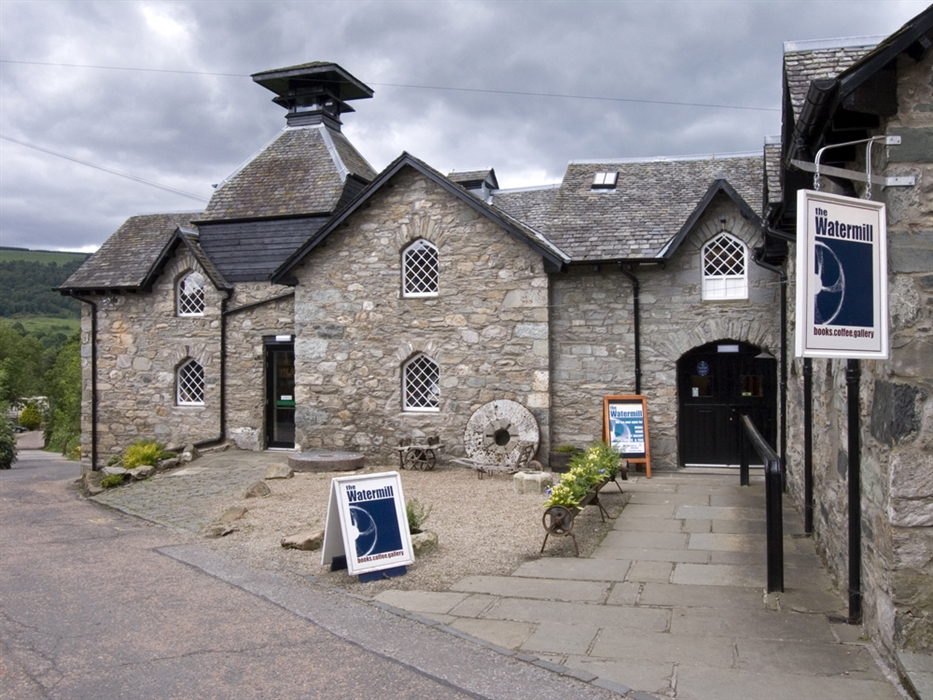
Perthshire
A place of Destiny
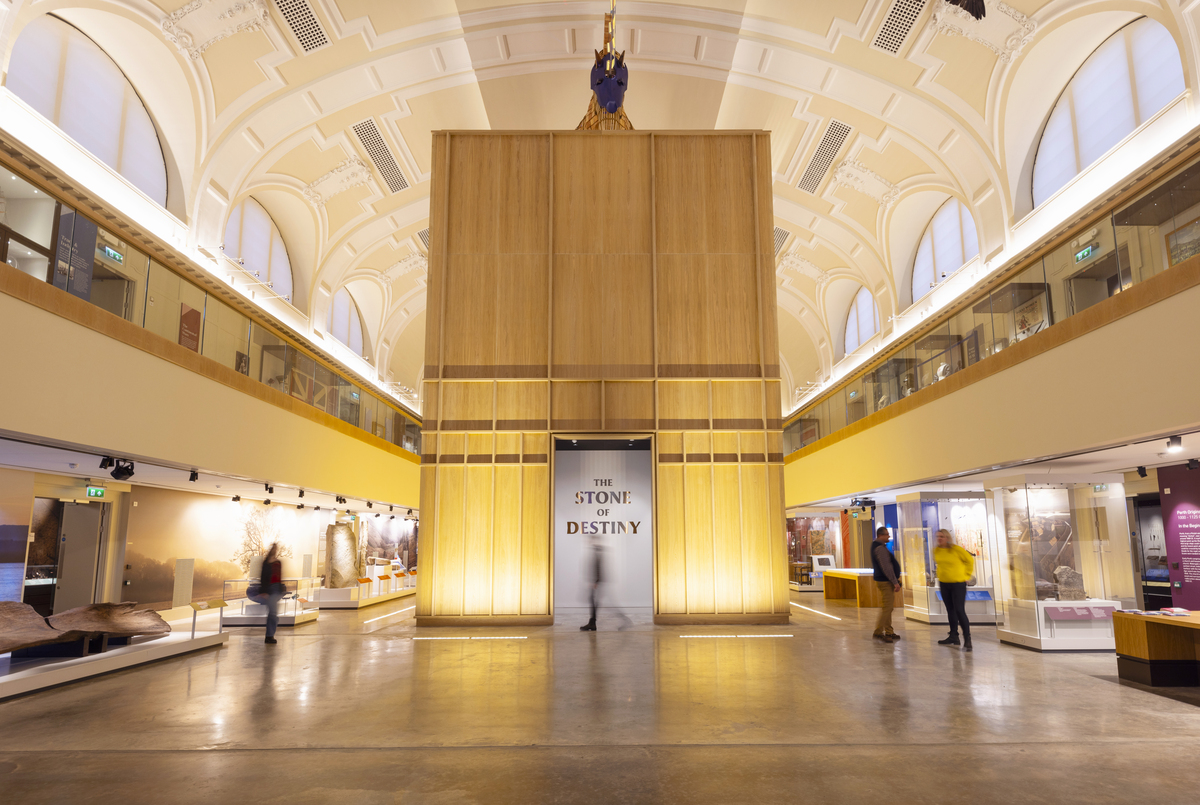
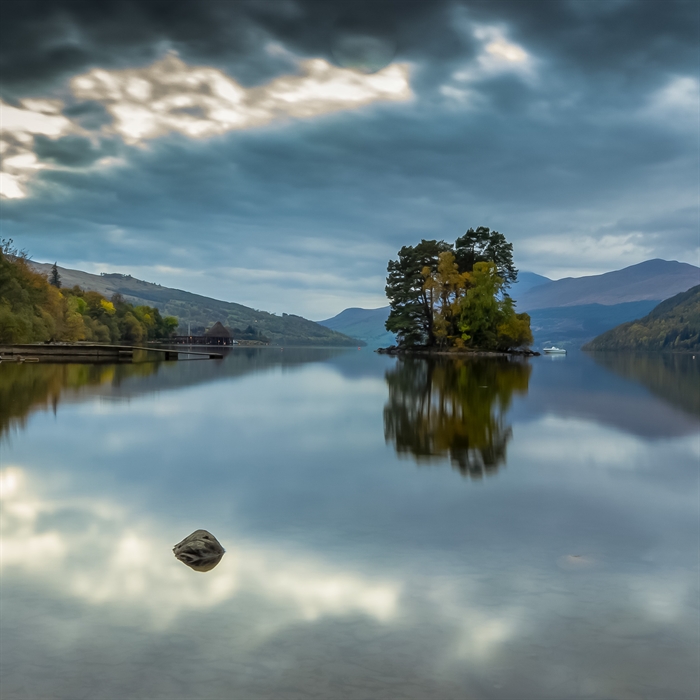
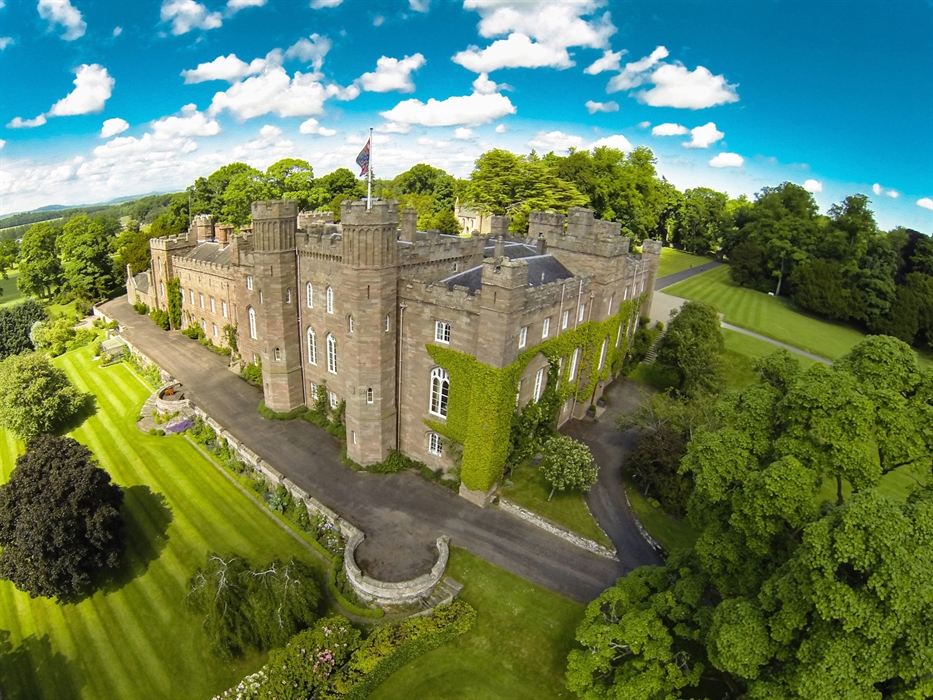
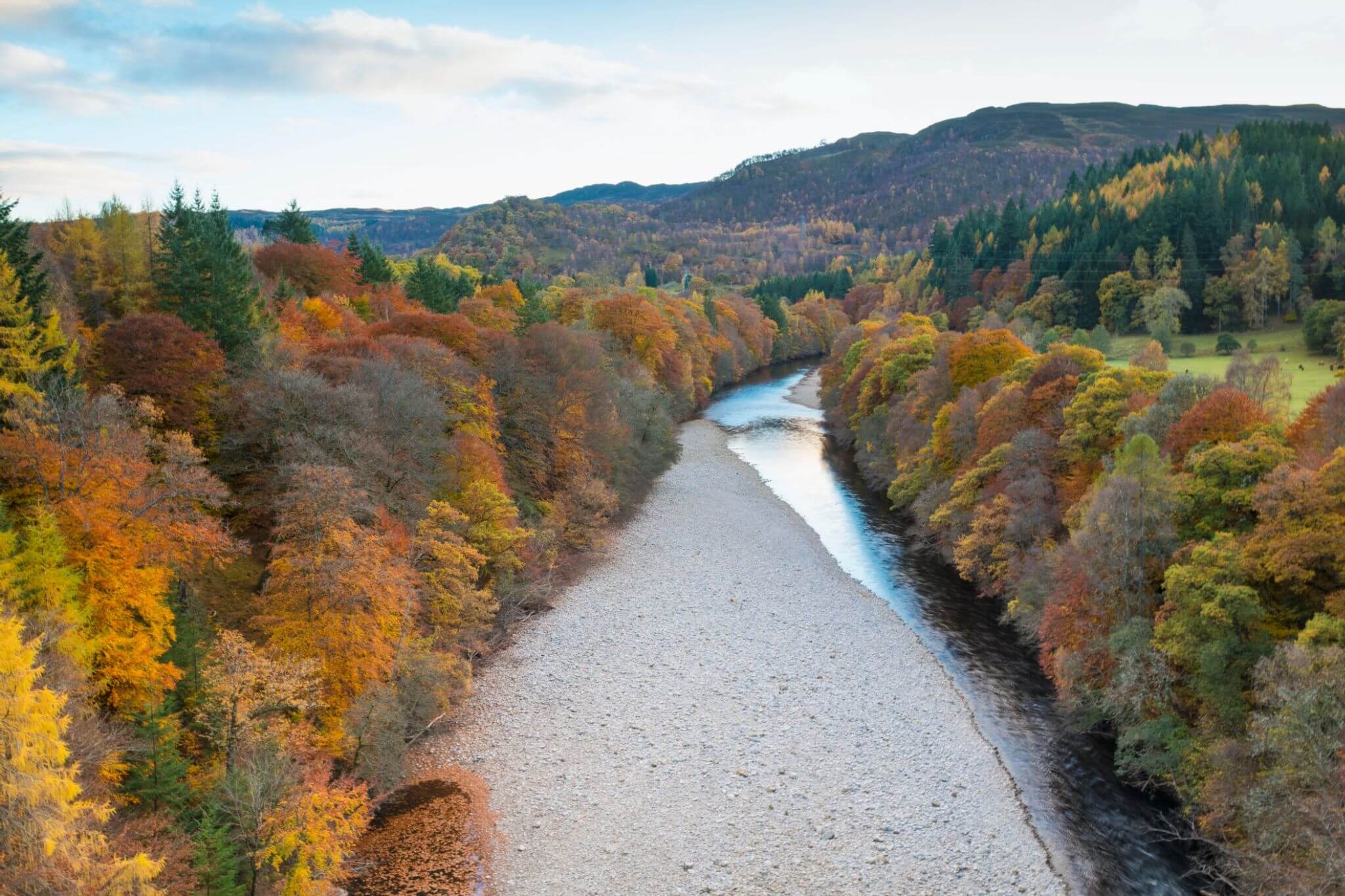
Perthshire is the heart of Scotland - and it has often been at the very heart of Scottish history. At Scone Palace, the country's ancient kings and queens were crowned upon the Stone of Destiny, while at Loch Leven on Perthshire's southern border, Mary Queen of Scots spent a long year in captivity. But Perthshire, beautiful Perthshire, is also an incredibly fertile land and its farms and fields yield many a secret about the lives and times of ordinary Scots.
Perthshire's fine museum collection brings the area's history to life, seeing it through the eyes of farm workers, soldiers, clansmen and artists, each bringing a new dimension to our understanding of the past. The AK Bell library in Perth provides another friendly focus for family history research.
Find out more about Perthshire
- The county »
- Clan and Family Heartlands »
- Parishes »
- Local Studies Libraries »
- Local Archives Centres »
- Museum and Heritage Centres »
- Family History Society »
- Burials Information »
The county ~ Kinross-shire
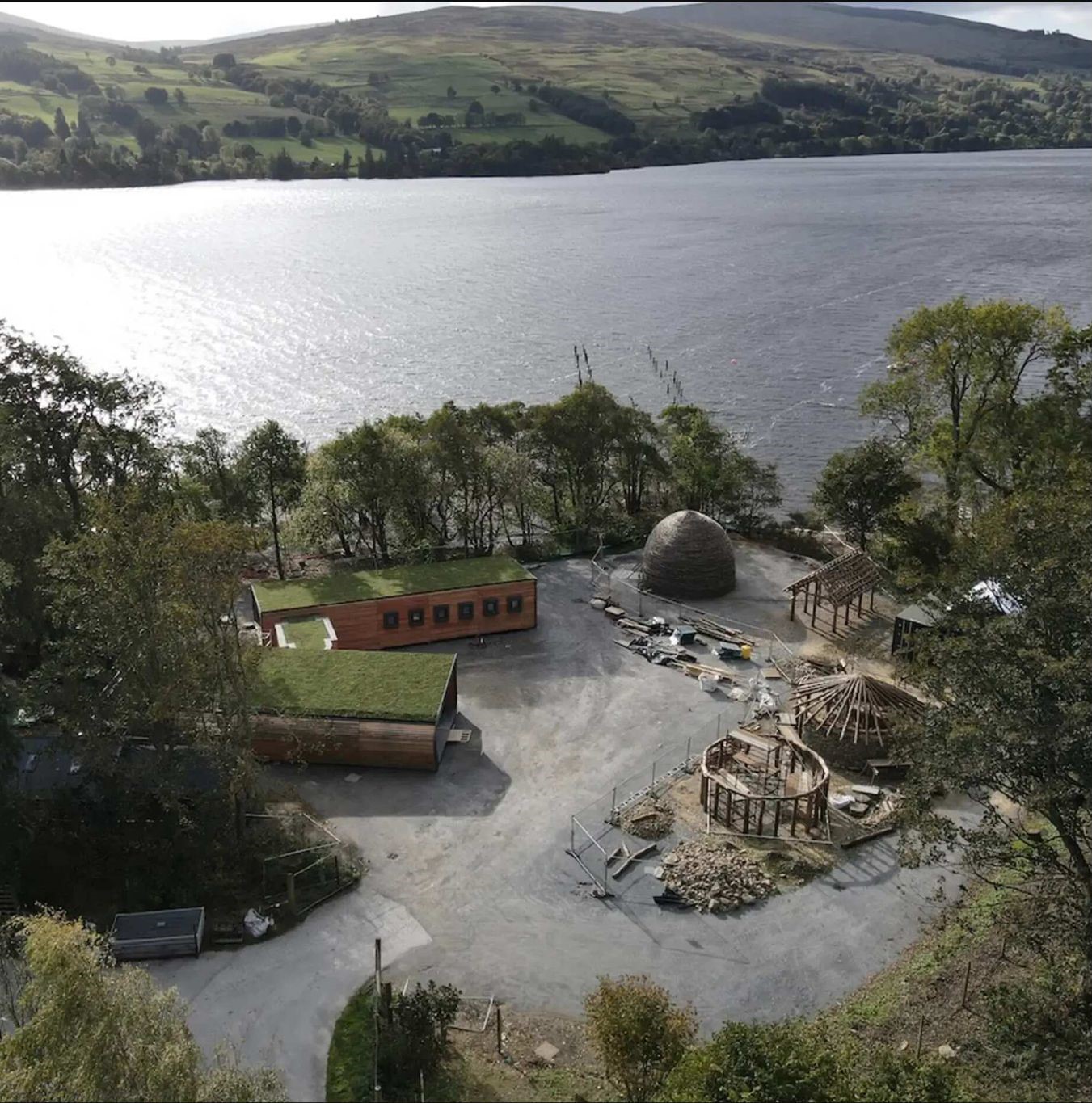
Kinross-shire was situated between Perthshire and Fife, its county town being Kinross. It was joined with Perthshire in 1929. Its main occupation was agriculture. Mary Queen of Scots was imprisoned in Loch Leven Castle for almost a year.
Clan and Family Heartlands
You can get a feel for the lives your ancestors lived by visiting the area they came from. These are areas where, for centuries, families lived together in a tightly-knit community. In the Highlands they are linked to clan heartlands, whereas, in the rest of Scotland the names are often those of the local landed families. Although it is unlikely that family historians can link their ancestry to clan chiefs or family dynasties, it can still be a moving experience to tour the clan and family heartlands.
Here is a selection of the most common names in this area.
Gordon: Centred on Strathbogie; many neighbouring clans were absorbed by Clan Gordon.
Parishes
The Parish Church can unlock many secrets for ancestral researchers. Not only was it the place where children were baptised, proclamations of marriage announced and the dead buried, it was also the centre of most social activity within the Parish. There is, however, no such thing as a definitive list of parishes. Over the decades they have merged, divided, been renamed and had changes made to their spelling. The following list is based largely on the situation at the time of publication of the New Statistical Account (1834-1845).
Cleish,
Kinross,
Orwell
* subsequently divided into seperate parishes, ( ) denotes alternative name or spelling
Detailed information on life and work within each of these parishes can be found in the Old (1791-99) and the New (1834-45) Statistical Account of Scotland. These are freely accessible on http://edina.ed.ac.uk/statacc. Part of their charm is the individual views of the minister, which can include some fascinating accounts of a parish's history, topography, employment, landowners, communications, agriculture and even the morality of the parishioners
Local Studies Libraries
Almost every municipal authority in Scotland has a collection of local history publications, maps and archives. Although most of these libraries are prepared to undertake a limited amount of searching on your behalf, it is far more fulfilling to visit them yourself. You could lose yourself for hours, pouring over old newspapers and photographs.
The following is a list of the libraries in your chosen area:
AK Bell Library
York Place
Perth
PH2 8EP
Tel: +44 1738 477062
Fax: +44 1738 477010
E-mail: jaduncan@pkc.go.uk
www.pkc.gov.uk/library
Open: Mon-Wed & Fri, 09:30 - 17:00, Tue & Thu, 09:30 - 20:00 & Sat 09:30 - 16:00. By appointment only.
An extensive modern library with a good collection of old prints, photographs and postcards. A local newspaper index is being compiled.
Local Archives Centres
Almost every municipal authority in Scotland has a collection of local history publications, maps and archives. Although most of these libraries are prepared to undertake a limited amount of searching on your behalf, it is far more fulfilling to visit them yourself. You could lose yourself for hours, pouring over old newspapers and photographs.
The following is a list of the archive offices in your chosen area:
Perth and Kinross Council Archive
AK Bell Library
2-8 York Place
Perth
PH2 8EP
Tel: +44 1738 477012
Fax: +44 1738 477010
E-mail: archives@pkc.gov.uk
www.pkc.gov.uk/library/archive.htm
Open: Mon-Fri 09:30-17:00; Thu visits up to 20:00 by prior arrangement
Museum and Heritage Centres
Scotland is a country with a remarkable history. So it should come as no surprise that Scotland is home to a remarkable collection of museums and heritage centres. These range from the major, internationally renowned collections in Edinburgh's Royal Museum of Scotland to hundreds of small centres that specialise in the history of local communities. The following museums are all in your chosen area. A visit to any one of them may well shed new light on the lives led by your ancestors.
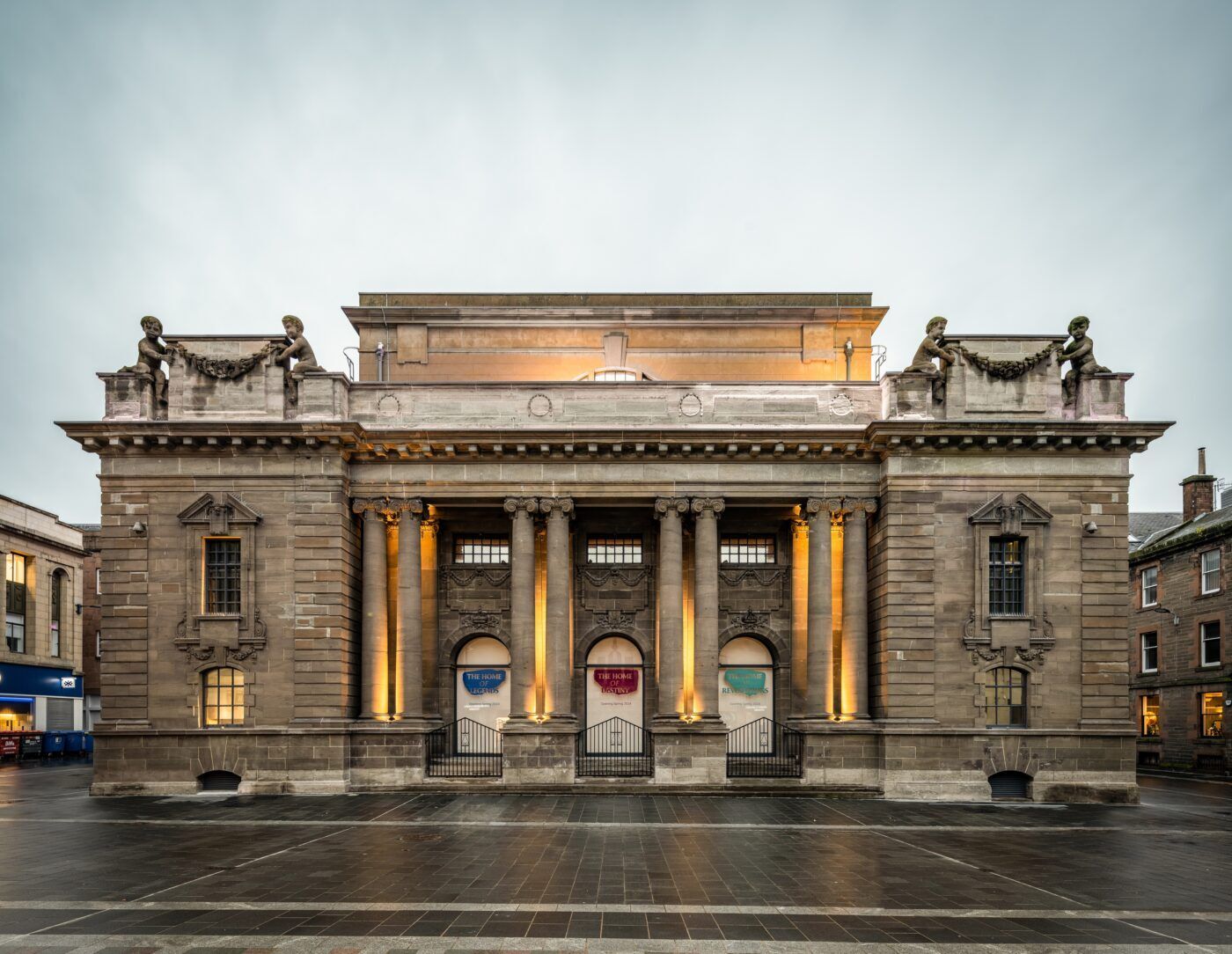
Perth Museum & Art Gallery
78 George Street
Perth
PH1 5LB
Tel: +44 1738 632488
Fax: +44 1738 443505
E-mail: museum@pkc.gov.uk
www.pkc.gov.uk/Education+and+learning/Museums+and+galleries/Perth+Museum+and+Art+Gallery/Perth+Museum+and+Art+Gallery.htm
Open: Mon-Sat, 10:00 - 17:00.
Includes "The Time of Our Lives" exhibition relating to the history of Perth and Kinross district.
Family History Society
Local societies are run by volunteers who meet together periodically. Most maintain an index of members' interests - and this could well lead to the discovery of a long lost cousin or two. If there are any such societies in your chosen area, they will be listed below.
Tay Valley Family History Society
Research Centre
179-181 Princes Street
Dundee
DD4 6DQ
Tel: +44 1382 461845
E-mail:
tvfhs@tayvalleyfhs.org.uk
www.tayvalleyfhs.org.uk
Open: Mon 10:00 - 16:00 & 19:00 - 21:00. Tue-Wed & Fri, 10:00 - 16:00, Thu 10:00 - 16:00 & 19:00 - 21:00 & Sat 10:00 - 13:00.
Covers Angus, Fife, Perthshire and Kinross. In addition to basic genealogical material, an index of members' interests is maintained in their library. Members have free access to two on-line services:
- Tay-Valley-Bridges for sharing experiences with other members
- Links to homepages and e-mail addresses of members
It may seem a little odd, but a visit to the burial ground of an ancestor can make you feel more closely connected to them. However, tracking down the specific plot, or lair as they were referred to in Scotland, depends on the period of time when the deaths occurred.
Up to the mid-19th century it was the normal practice for people to be interred in the Parish Kirk burial ground - although this was only rarely marked with anything as grand as a headstone. The Scottish Association of Family History Societies (SAFHS) is currently co-ordinating a major project to develop a National Burial Index, relating to pre-1855 records. This will eventually be available on CD ROM. Although this will help to confirm that burials took place in parish burial grounds, it will not, unfortunately, indicate the location of the lair.
If your ancestor was wealthy enough, their grave may have been marked by an inscribed headstone. Over the years, family history societies and other volunteer groups have painstakingly transcribed and indexed such inscriptions - and these are nearly always held in the relevant local history libraries or family history research centres.
By the mid-19th Century, many parish burial grounds had become seriously overcrowded, especially those in urban areas, and this led to the creation of both private and municipal cemeteries. If you know the place and date of death, you should be able to discover the location of a lair, although not all cemeteries and records have survived.
The concept of cremation started to gain popularity in the late 1940s and has increased ever since. Ashes may be taken away by the family, scattered in the garden of remembrance or buried either in the crematorium or in a family plot.
Kinross-shire
Environmental Services
Perth and Kinross Council
Pullar House
35 Kinnoull Street
Perth
PH1 5GD
Tel: +44 1738 475 222
- The county »
- Clan and Family Heartlands »
- Parishes »
- Local Studies Libraries »
- Local Archives Centres »
- Museum and Heritage Centres »
- Family History Society »
- Burials Information »
The county ~ Perthshire
Perthshire was a large county which occupied the centre of Scotland. Perth was the county town, other small burghs included Aberfeldy, Auchterarder, Callander, Crieff, Dunblane and Pitlochry. In 1929, Kinross-shire joined Perthshire for administrative purposes. Fruit growing continues to be a major occupation in this area, as well as agriculture. The Duke of Atholl has his ancestral home in Blair Castle.
Clan and Family Heartlands
You can get a feel for the lives your ancestors lived by visiting the area they came from. These are areas where, for centuries, families lived together in a tightly-knit community. In the Highlands they are linked to clan heartlands, whereas, in the rest of Scotland the names are often those of the local landed families. Although it is unlikely that family historians can link their ancestry to clan chiefs or family dynasties, it can still be a moving experience to tour the clan and family heartlands.
Here is a selection of the most common names in this area.
McGregor: Associated especially with the Trossachs area and Balquidder where Rob Roy MacGregor is buried. The wild reputation of the clan was such that use of the name was forbidden by Parliament in 1603.
McNab: Their land stretched from Tyndrum, west as far as Dalmally (Argyll) and east to Killin near where their ancient castle is situated.
Campbell: The Breadalbane branch of the clan occupied much of the Upper Tay area.
Menzies: Their historic home is Menzies Castle, Weem, by Aberfeldy.
The Lands of Atholl - the area known as Atholl is, basically that part of Perthshire traditionally owned by the Duke of Atholl. It lies north of the Highland line and includes Dunkeld, Bruar, Strathardle and Rannoch. Many clans are associated with Atholl especially:
- Cameron
- Donnachaidh (Robertson)
- Ferguson
- Murray
- Stewart
Parishes
The Parish Church can unlock many secrets for ancestral researchers. Not only was it the place where children were baptised, proclamations of marriage announced and the dead buried, it was also the centre of most social activity within the Parish. There is, however, no such thing as a definitive list of parishes. Over the decades they have merged, divided, been renamed and had changes made to their spelling. The following list is based largely on the situation at the time of publication of the New Statistical Account (1834-1845).
Aberdalgie,
Aberfoyle,
Abernethy,
Abernyte,
Alyth,
Arngask,
Auchterarder,
Auchtergaven,
Balquhidder,
Bendochy,
Blackford,
Blair Atholl,
Blairgowrie,
Callander,
Caputh,
Cargill,
Clunie,
Collace,
Comrie,
Coupar Angus,
Crieff,
Culross,
Dron,
Dull,
Dunbarny (Dunbarney),
Dunblane,
Dunkeld,
Dunning,
Errol,
Forgandenny,
Forteviot,
Fortingal (Fortingall),
Fossoway (and Tullibole),
Fowlis Wester Gask (Findo-Gask),
Glendovan (Glendevon),
Inchture,
Kenmore,
Killin,
Kilmadock,
Kilspindie,
Kinclaven,
Kinfauns,
Kinnaird,
Kinnoull,
Kirkmichael,
Lecropt,
Lethendy (and Kinloch),
Little Dunkeld,
Logierait,
Longforgan,
Madderty,
Meigle ,
Menteith,
Methven,
Moneydie,
Monivaird and Strowan (Monivaird),
Monteith (Port of Menteith),
Monzie,
Moulin Muckart (Muckhart),
Muthill,
Perth,
Rattray,
Redgorton,
Rhynd,
Scone,
St Madoes,
St Martins,
Tibbermore,
Trinity-Gask,
Tulliallan Weem
* subsequently divided into seperate parishes, ( ) denotes alternative name or spelling
Detailed information on life and work within each of these parishes can be found in the Old (1791-99) and the New (1834-45) Statistical Account of Scotland. These are freely accessible on http://edina.ed.ac.uk/statacc. Part of their charm is the individual views of the minister, which can include some fascinating accounts of a parish's history, topography, employment, landowners, communications, agriculture and even the morality of the parishioners
Local Studies Libraries
Almost every municipal authority in Scotland has a collection of local history publications, maps and archives. Although most of these libraries are prepared to undertake a limited amount of searching on your behalf, it is far more fulfilling to visit them yourself. You could lose yourself for hours, pouring over old newspapers and photographs.
The following is a list of the libraries in your chosen area:
AK Bell Library
York Place
Perth
PH2 8EP
Tel: +44 1738 477062
Fax: +44 1738 477010
E-mail: Jaduncan@pkc.gov.uk
www.pkc.gov.uk/library
Open: Mon-Wed & Fri, 09:30 - 17:00 & Tue & Thu 09:30 - 20:00 & Sat 09:30 - 16:00. By appointment only.
Good collection of old prints, photographs and postcards. A local newspaper index is being compiled.
Local Archives Centres
Almost every municipal authority in Scotland has a collection of local history publications, maps and archives. Although most of these libraries are prepared to undertake a limited amount of searching on your behalf, it is far more fulfilling to visit them yourself. You could lose yourself for hours, pouring over old newspapers and photographs.
The following is a list of the archive offices in your chosen area:
Perth and Kinross Council Archive
AK Bell Library
2-8 York Place
Perth
PH2 8EP
Tel: +44 1738 477012
Fax: +44 1738 477010
E-mail: archives@pkc.gov.uk
www.pkc.gov.uk/library/archive.htm
Open: Mon-Fri 09:30-17:00; Thu visits up to 20:00 by prior
arrangement.
By appointment only.
Museum and Heritage Centres
Scotland is a country with a remarkable history. So it should come as no surprise that Scotland is home to a remarkable collection of museums and heritage centres. These range from the major, internationally renowned collections in Edinburgh's Royal Museum of Scotland to hundreds of small centres that specialise in the history of local communities. The following museums are all in your chosen area. A visit to any one of them may well shed new light on the lives led by your ancestors.
Perth Museum & Art Gallery
78 George Street
Perth
PH1 5LB
Tel: +44 1738 632488
Fax: +44 1738 443505
E-mail: museum@pkc.gov.uk
Perth Museum and Art Gallery Website
Open: Mon-Sat, 10:00 - 17:00.
Includes "The Time of Our Lives" exhibition relating to the people of Perth and Kinross.
Clan Donnachaidh Centre
Bruar
By Pitlochry
Tel: +44 1796 483770
E-mail:
clandonnachaidh@compuserve.com
www.donnachaidh.com
Open: Easter-October, Mon-Sat 10:00-17:00, Sun 11:00-17:30
Family History Society
Local societies are run by volunteers who meet together periodically. Most maintain an index of members' interests - and this could well lead to the discovery of a long lost cousin or two. If there are any such societies in your chosen area, they will be listed below.
Central Scotland Family History Society
Hon. Secretary
11 Springbank Gardens
Dunblane
FK15 9JX
www.csfhs.org.uk
Some of the society's holdings are kept in the Stirling Council Archives (see Stirlingshire County data).
Tay Valley Family History Society
Research
Centre
179-181 Princes Street
Dundee
DD4 6DQ
Tel: +44 1382 461845
Fax: +44 1382 455532
E-mail:
tvfhs@tayvalleyfhs.org.uk
www.tayvalleyfhs.org.uk
It may seem a little odd, but a visit to the burial ground of an ancestor can make you feel more closely connected to them. However, tracking down the specific plot, or lair as they were referred to in Scotland, depends on the period of time when the deaths occurred.
Up to the mid-19th century it was the normal practice for people to be interred in the Parish Kirk burial ground - although this was only rarely marked with anything as grand as a headstone. The Scottish Association of Family History Societies (SAFHS) is currently co-ordinating a major project to develop a National Burial Index, relating to pre-1855 records. This will eventually be available on CD ROM. Although this will help to confirm that burials took place in parish burial grounds, it will not, unfortunately, indicate the location of the lair.
If your ancestor was wealthy enough, their grave may have been marked by an inscribed headstone. Over the years, family history societies and other volunteer groups have painstakingly transcribed and indexed such inscriptions - and these are nearly always held in the relevant local history libraries or family history research centres.
By the mid-19th Century, many parish burial grounds had become seriously overcrowded, especially those in urban areas, and this led to the creation of both private and municipal cemeteries. If you know the place and date of death, you should be able to discover the location of a lair, although not all cemeteries and records have survived.
The concept of cremation started to gain popularity in the late 1940s and has increased ever since. Ashes may be taken away by the family, scattered in the garden of remembrance or buried either in the crematorium or in a family plot.
Environmental Services
Perth and Kinross Council
Pullar House
35 Kinnoull Street
Perth
PH1 5GD
Tel: +44 1738 475222
Print this page - all information will be printed
Page top