Content on this page requires a newer version of Adobe Flash Player.

Get Adobe Flash player

Scottish Clan Tours

Researching your family tree is a voyage of discovery. Full of intrigue, exotic names and fascinating histories. It is a pastime that rewards again and again. But those who simply trace their family tree from the comfort of their own home are missing out on the real story of their heritage.

For the whole exciting picture, you need to visit the places you read about. And that means a trip to Scotland. To help you plan your trip, we've compiled a number of clan-themed touring itineraries . So if you see your clan name, just follow the trail and walk in your ancestors' footsteps.

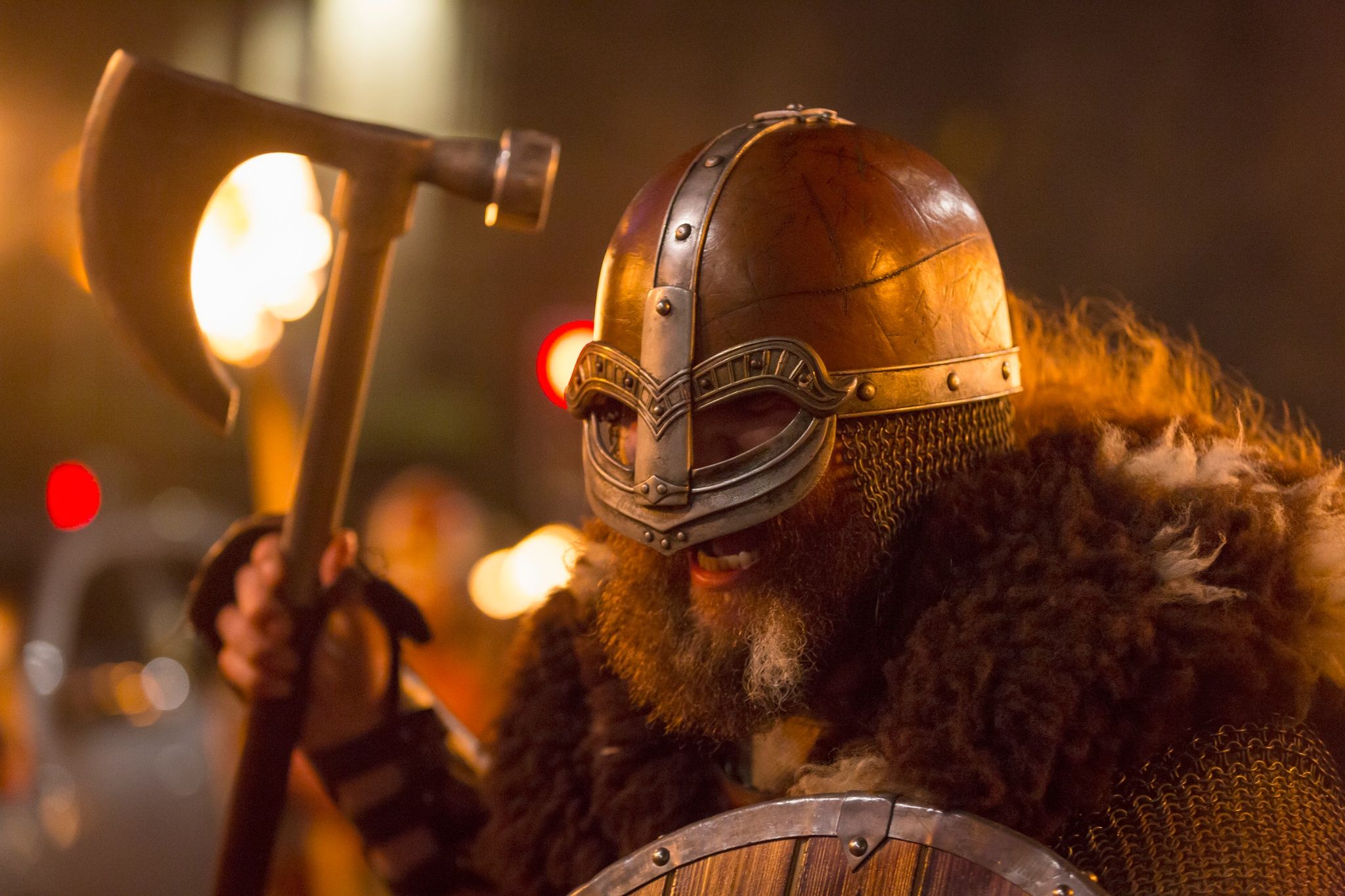
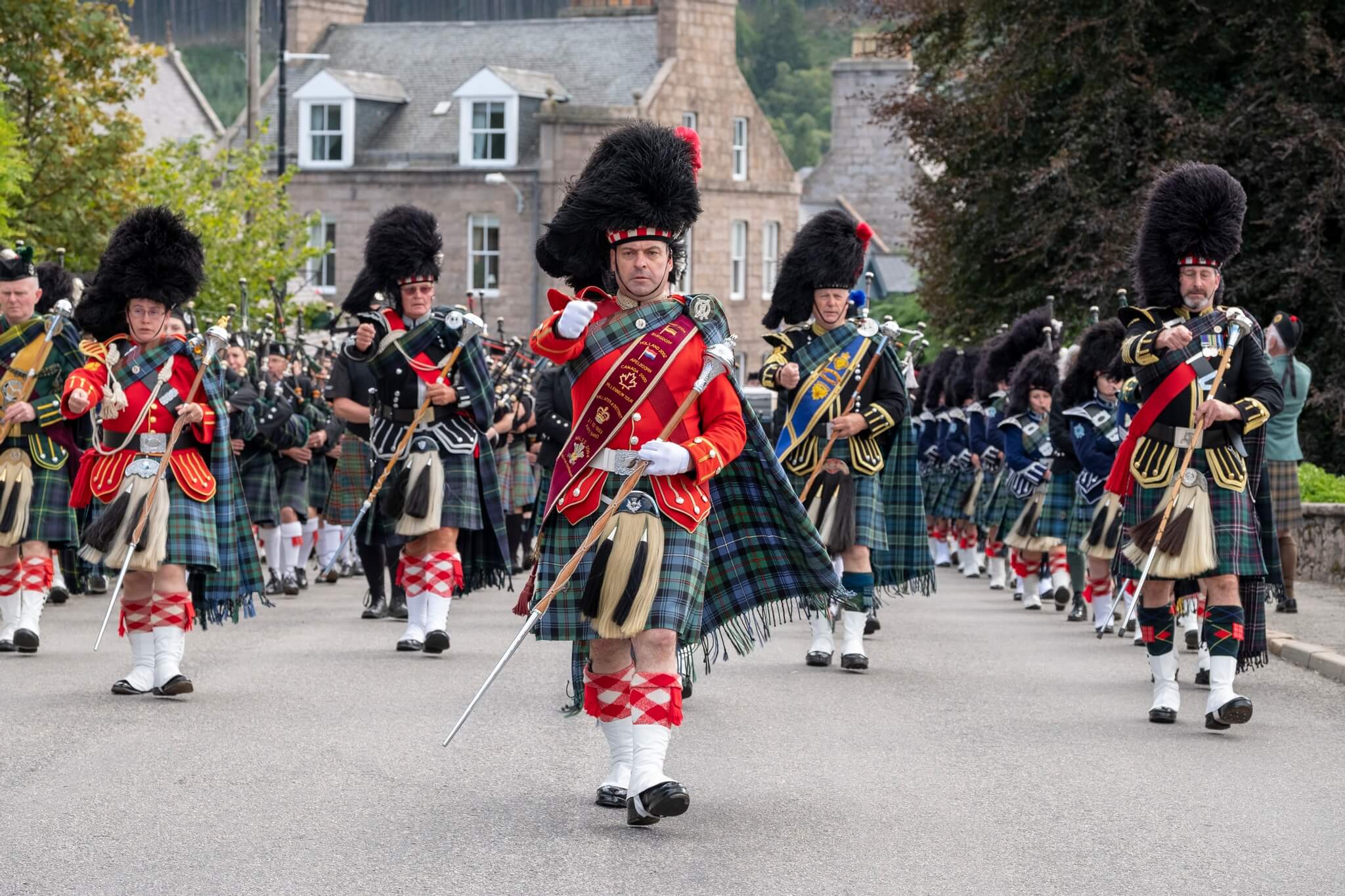
From evenings of toe-tapping traditional music in friendly pubs to the colour and excitement of Highland Games, every gathering of Scots is a celebration that you'll want to be part of.
Clan Barclay touring information

Originally from France, the Barclays settled in England early in their history and were listed in the Domesday Book. Lord Roger de Berchelai and his son came to Scotland with the future wife of Malcolm III in 1067. Malcolm bestowed lands on his followers and the de Berchelais acquired land in Aberdeenshire and Fife. The Barclays held high positions in the government of Scotland and later played important roles in the battlegrounds of both Scotland and Europe.

This itinerary takes you from the royal castles of Edinburgh and Stirling to the Barclay ancestral lands in Fife and north into the Scottish Highlands and Aberdeenshire. It will highlight just a few of the stories and places where Clan Barclay chiefs and their descendants have left their mark. You can experience the peace and tranquillity of the inspiring Scottish landscapes, the evocative splendour of ancient castles, the hospitality of local people and much more.

Day 1

Arrive in Edinburgh, Scotland's magnificent historic capital. You'll be spoilt for things to do and places to visit. A good starting point is the National Museum of Scotland in Chambers Street. Here, you'll find the history of Scotland from early geological times through to the present day. At the nearby Scottish Genealogical Society library in Victoria Terrace you'll find plenty of fellow travellers and enthusiastic researchers, as well as a wealth of genealogical information and guidance. No appointment is necessary but there is a small charge for non-members.

Day 2

You can visit the Palace of Holyroodhouse at the end of Edinburgh's historic Royal Mile. At the other end of the Royal Mile is Edinburgh Castle *, from the battlements of which you can enjoy commanding views out over both the New and Old towns of Edinburgh. In 1165 Sir Walter Berkeley was Chamberlain of Scotland serving King William the Lion. Later in the 17th century Colonel David Barclay, first Laird of Urie, was imprisoned in Edinburgh Castle charged with hostility to the government, but having powerful and influential friends he was soon freed. It was during his imprisonment that he met the Laird of Swinton, a member of the Society of Friends, and became a Quaker.

Day 3

Travel north-west to Stirling. Stirling is a historic city with much to offer its visitors. It is an attractive mix of old and new. For a very different experience visit the Old Town Jail but make sure you plan your escape! The impressive Stirling Castle* towers above the river and medieval bridge. Visit the very poignant site of the Battle of Bannockburn+ (1314). Robert the Bruce declared himself King of Scotland in 1306 and began a long and arduous campaign to secure his title, finally achieving success at this battle. Sir David Barclay was one of Robert the Bruce's chief supporters and fought with him at many of his battles.

Day 4

Now head north-east towards Perth. A few miles to the west of Perth is the village of Methven. This was the site of the famous Battle of Methven in 1306. Accompanied by Sir David Barclay, Robert the Bruce was trying to retake Perth. 4500 men had gathered and camped at Methven. They had agreed with the leader of the English forces, the Earl of Pembroke to wait until the next day to begin the battle but during the night the English attacked and killed all but a few hundred of the Scottish army. Sir David was taken prisoner by the English.

Just north of Perth is Scone Palace, a splendid building and grounds. Once the home of the Stone of Scone (or Stone of Destiny) and the crowning place for Kings of Scotland including William the Lion in 1165. The stone is now at Edinburgh Castle. Early ancestors of the Barclay Clan settled in Fife, the area to the south-east of Perth. Collairnie was near Dunbog in North Fife. The Barclays built a fine tower house there in the 16th century. What remains is now part of a working farm and is not open to the public. Fife is full of winding country roads and small villages and hamlets, so take time to enjoy the history and landscapes still to be seen today.

Day 5

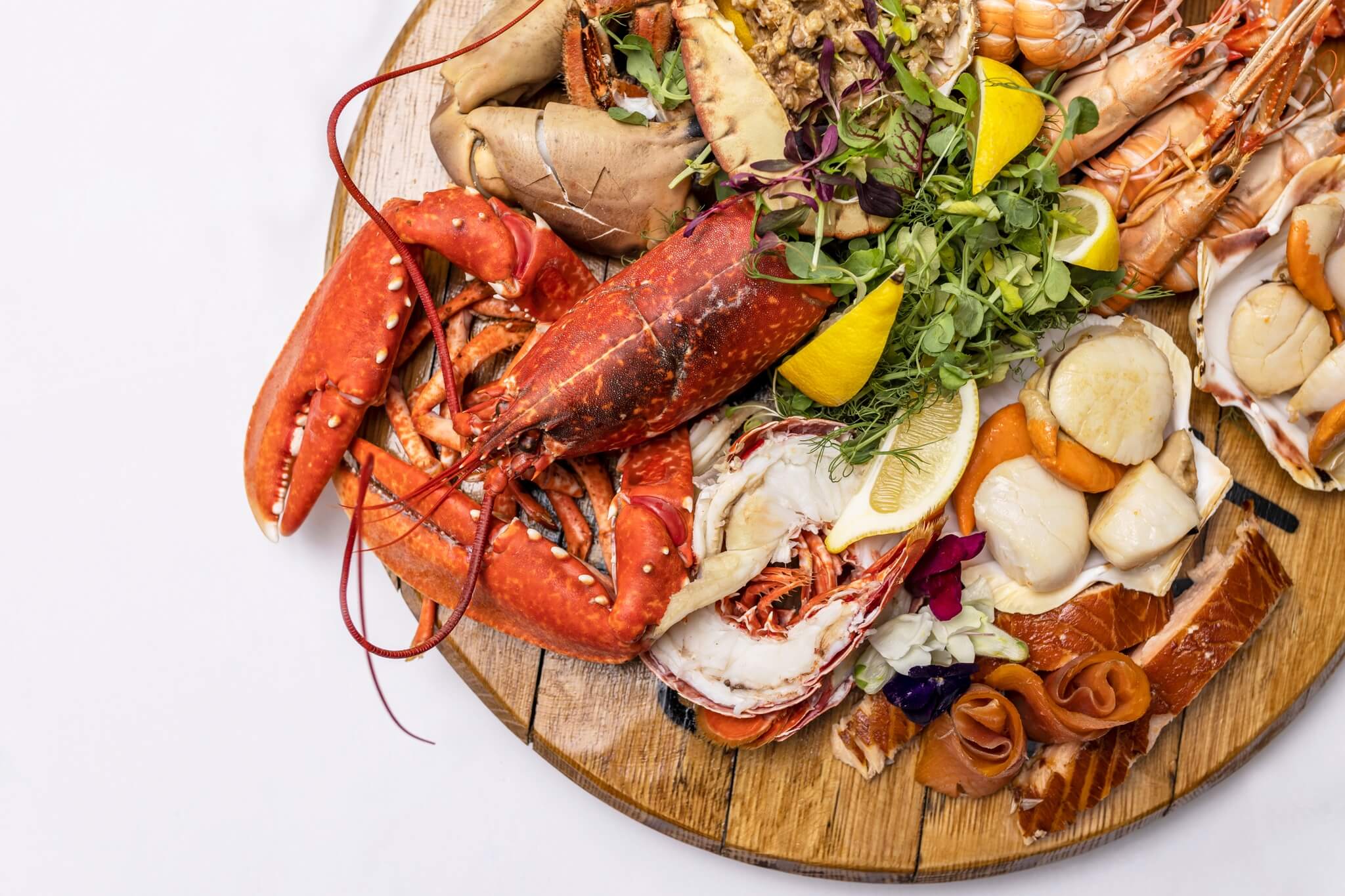
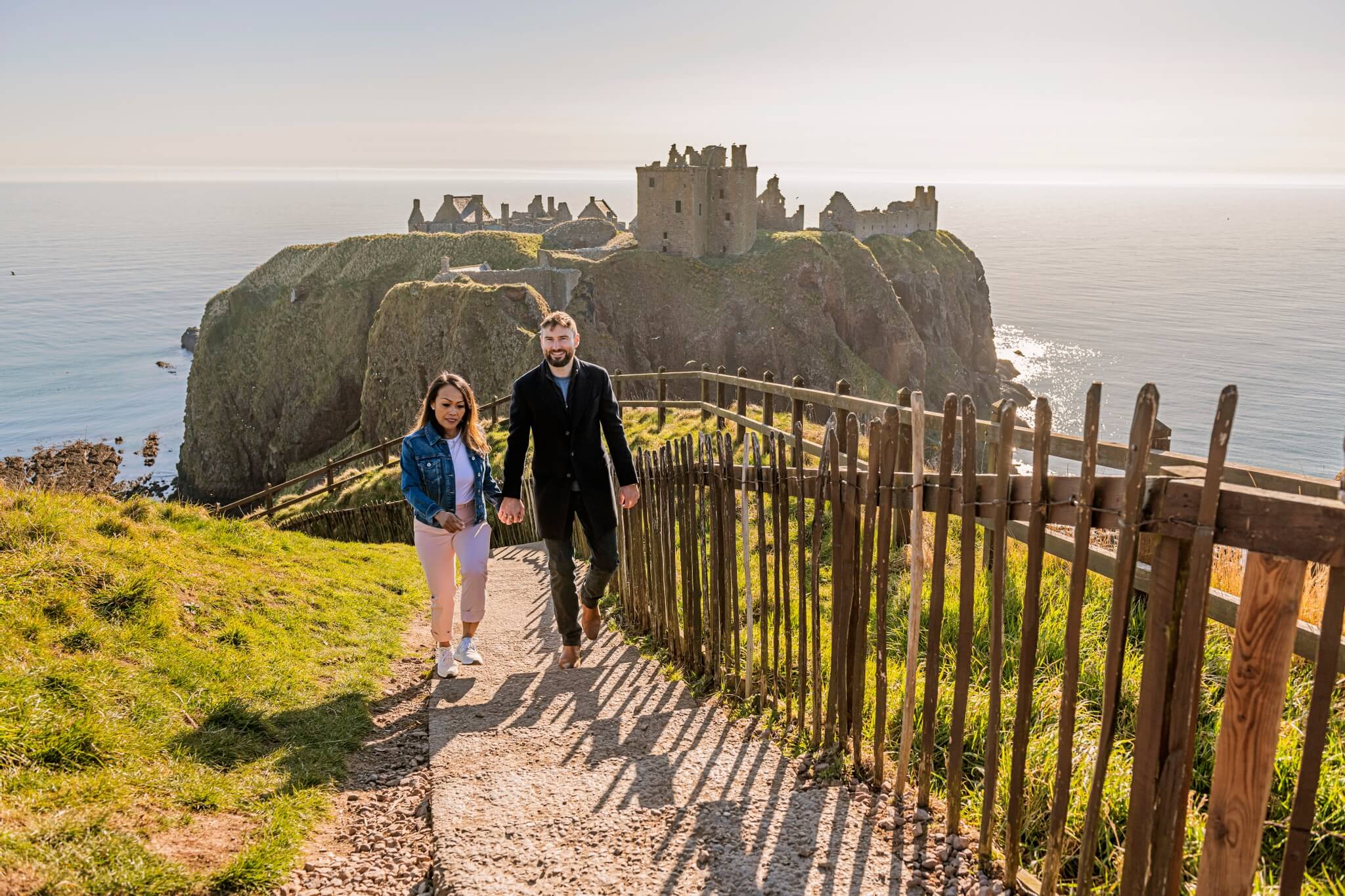
Travel up the scenic coastal road to Stonehaven. This is a historic and charming town focused around the harbour which is sheltered from the north-easterly gales. In the town's oldest building is the Tolbooth Museum which will tell you about the history of Stonehaven and its links to the sea. On the outskirts of Stonehaven to the north-west is Urie House, now ruinous. The Barclays of Urie are descended from Colonel David Barclay who purchased land here in 1647 when he retired from military service. His grandson, David Barclay of Cheapside, London was the founder of Barclay's Bank. Urie House was built after the estates were sold by the Barclay family in the 19th century but incorporated parts of the original Barclay tower house.

Now continue north along the coast to Aberdeen. Spend a few hours exploring the distinctive grey-stoned architecture that gives the place its nickname of the Granite City. Perhaps visit the fine Maritime Museum. The Barclays were involved in trading with Scandinavia as early as the 1600s. Some Barclay merchants settled on the Baltic shores. Field Marshall Michael Andreas Barclay de Tolly, a descendant of these earlier migrants, became a Minister of War in 1810 and later commanded the Russian armies against Napoleon. You may also like to view the elegant buildings of Kings College, one of the oldest university colleges in Scotland. Several Barclays have been educated at Aberdeen University including William Barclay of Gartly, a political theorist of the 16th century. The university has also enjoyed the generous patronage of the Barclay family over the centuries.

Day 6

Sir Walter Berkeley who served King William the Lion held lands at Gartly. His descendants also settled in Towie in Aberdeenshire. Travel north towards Turriff on the A947. Between Fyvie and Turriff is Towie-Barclay Castle, a 16th century tower house. It is not open to the public but does offer accommodation in a garden cottage in the grounds via the National Trust for Scotland Holidays. Nearby, just east of Turriff is Delgatie Castle which is open to visitors and being similar to Towie-Barclay Castle will give you an insight into the home of your ancestors. Delgatie is also particularly noted for its very good tea and cakes!

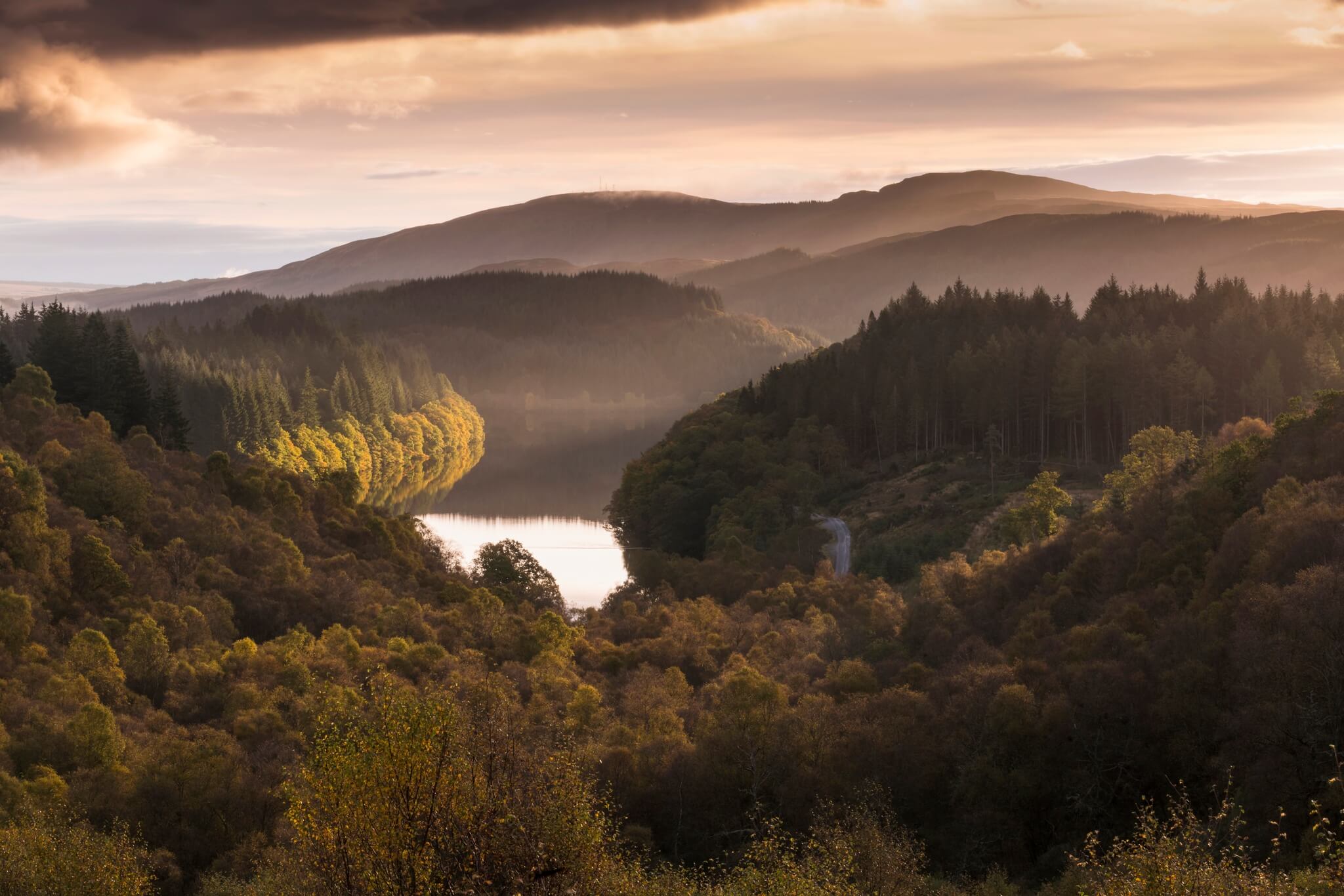
Now turn to the south-west to Huntly. Huntly Castle is a magnificent ruin with a long and interesting history. Travel south along the Strahbogie and you will find a small settlement called Gartly. This area would have been where your earliest ancestors first settled in Scotland. The small settlement of Towie is situated further south passed Kildrummy, on the edge of the Cairngorms National Park. Here you can enjoy the beautiful scenery and appreciate the remoteness of the life of your ancestors. The area of Towie also encompassed Strathdon, a dispersed settlement a few miles to the west. Travel south-west on to the Cairngorm Plateau to Corgarff Castle. John Forbes of Towie built this tower house on a wild and lonely site in the mid 1500s. It has been wonderfully restored by Historic Scotland as it would have been in the mid 1700s.

Day 7

We will now start the journey back to Edinburgh. You can drive south across the Cairngorms passing Balmoral Castle the beautiful summer retreat of the Royal Family. Then on to Braemar, an attractive village which enjoyed the royal patronage of Queen Victoria. It also boasts the record for the lowest recorded temperature in Britain of -27.2 degrees on 10th January 1982. Half a mile to the east is Braemar Castle a fairytale castle with many period furnished rooms and museum exhibitions and is well worth exploring.

Then to Perth and finally Edinburgh. Or alternatively you can drive north-west around the top of the Cairngorms National Park to Aviemore to join the A9. Near Aviemore is the Cairngorm funicular, the highest and fastest mountain railway in the country and a special way to enjoy the spectacular views. Travel south to Newtonmore and Kingussie, where you'll find two fascinating Folk Museums . Here more than 400 years of Highland history are brought to life in exhibitions which track the everyday experiences of clansman and crofter.

Continuing south you will pass the seat of the Dukes and Earls of Atholl, Blair Castle. It is set in majestic grounds in the heart of highland Perthshire. It has extensive collections of arms and armour, pictures, furniture, porcelain, embroidery and family memorabilia and although a private home is open to the public.

Day 8

Before leaving Scotland, return to Edinburgh where you might like to relax and enjoy one of the excellent bus tours of the city, explore the famous Royal Mile in the Old Town or take a stroll through the elegant New Town.

----------------------------------------------------------------------------------
To search over 8,000 quality assured accommodation, from bed and breakfast to castles log on to www.visitscotland.com.

The information contained in this itinerary is as supplied to VisitScotland and to the best of VisitScotland's knowledge was correct at the time of publication. VisitScotland can accept no responsibility for any errors or omissions.

VisitScotland is committed to ensuring that our natural environment and built heritage, upon which tourism is so dependent, is safeguarded for future generations to enjoy.

Print this page - all information will be printed

Page top