Content on this page requires a newer version of Adobe Flash Player.

Get Adobe Flash player

Tour Itineraries

Researching your family tree is a voyage of discovery. Full of intrigue, exotic names and fascinating histories. It is a pastime that rewards again and again. But those who simply trace their family tree from the comfort of their own home are missing out on the real story of their heritage.

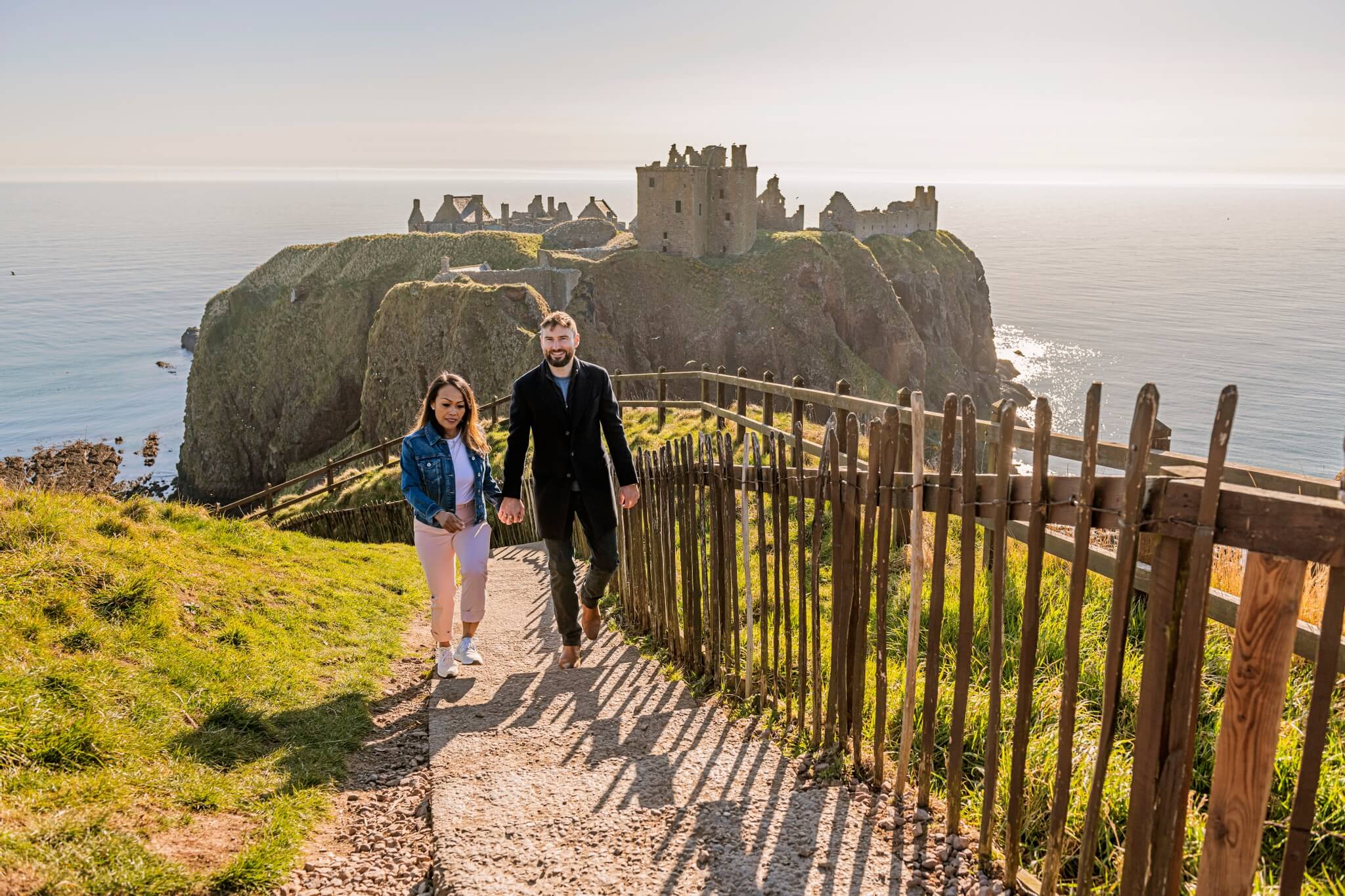
For thewhole exciting picture, you need to visit the places you read about. And that means a trip to Scotland. To help you plan your trip, we've compiled a number of clan-themed touring itineraries . So if you see your clan name, just follow the trail and walk in your ancestors' footsteps.

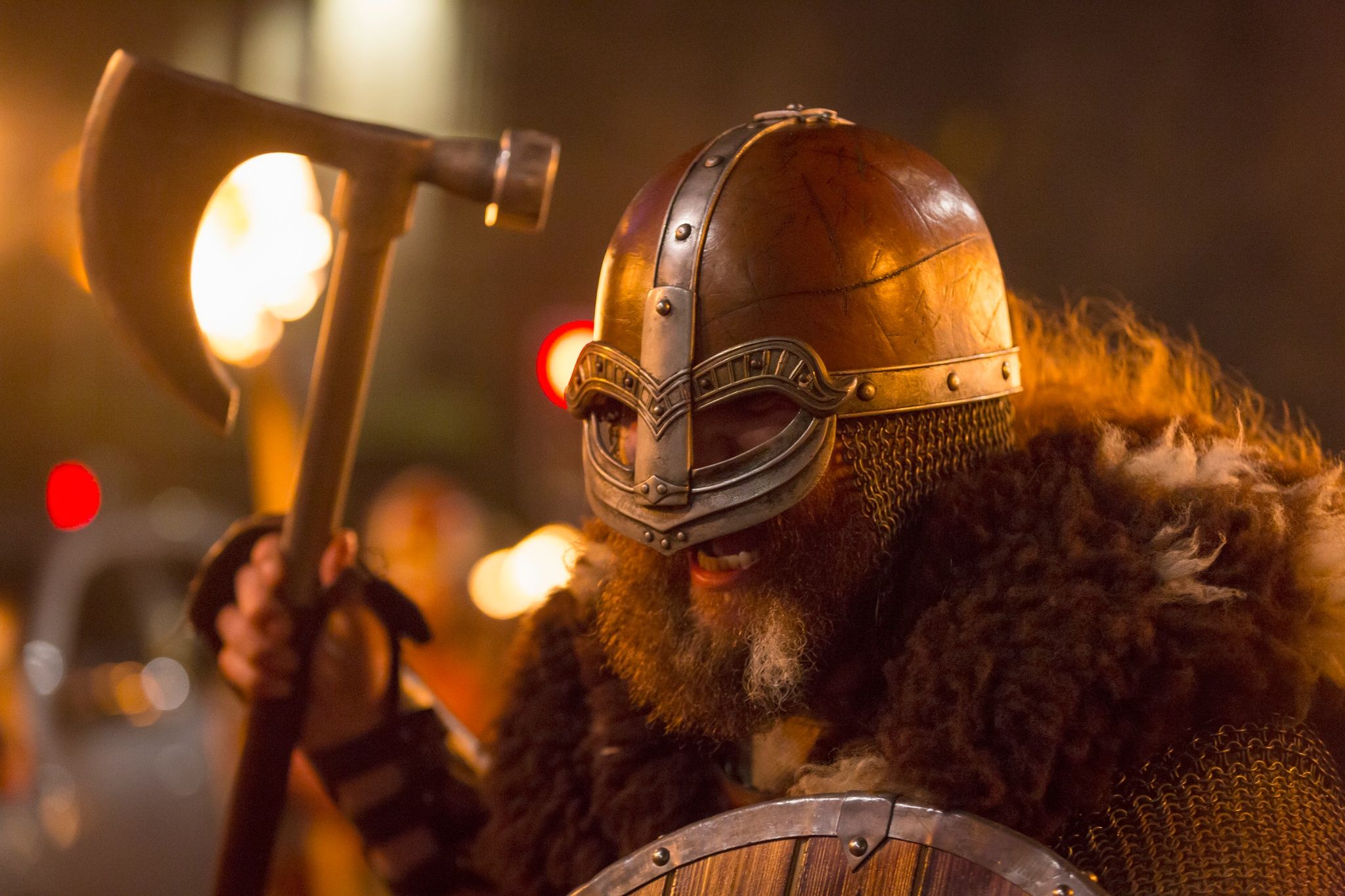
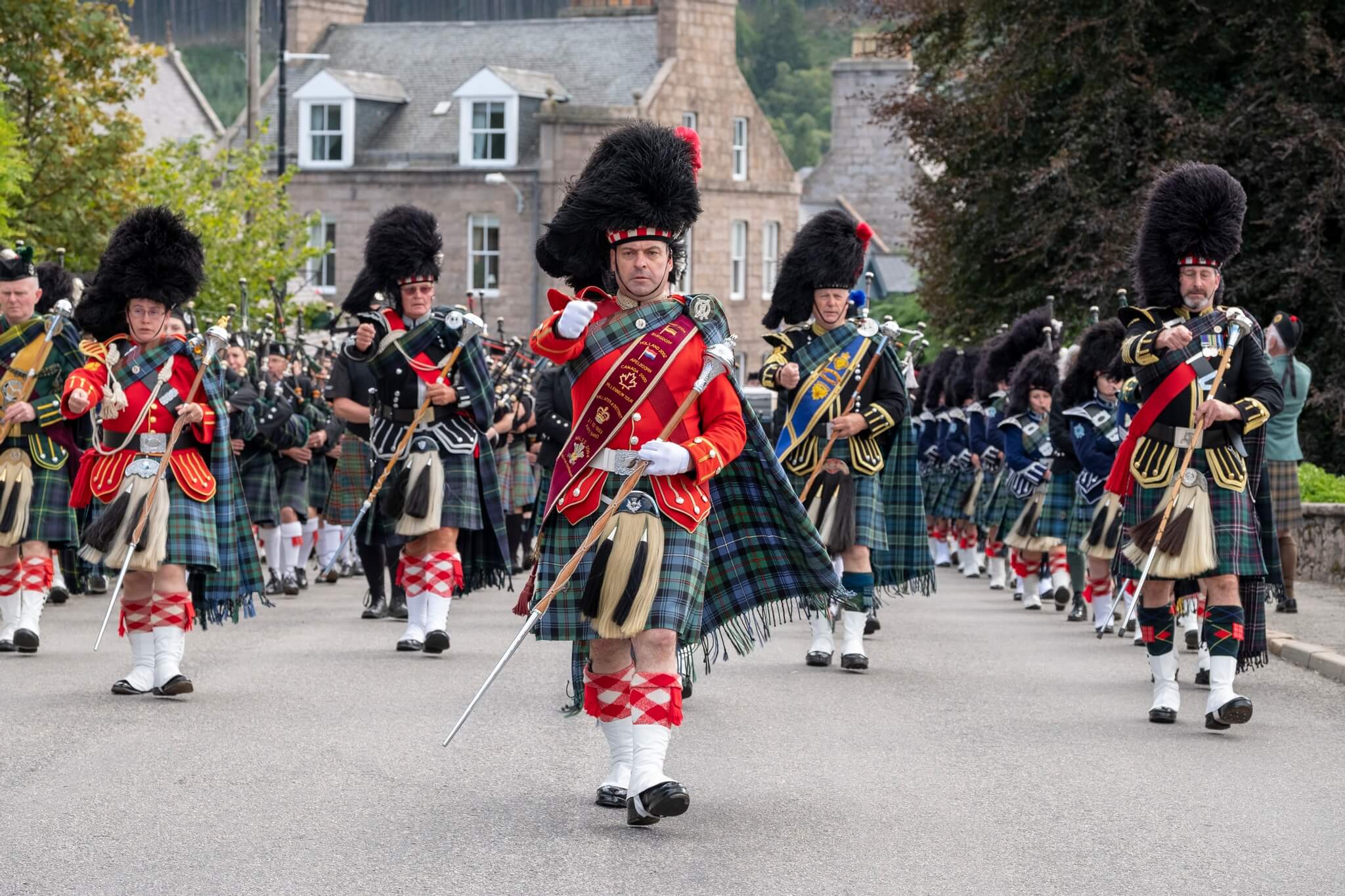
From evenings of toe-tapping traditional music in friendly pubs to the colour and excitement of Highland Games, every gathering of Scots is a celebration that you'll want to be part of.
Clan Cumming touring information

The Comyns (as they were originally known) established themselves in the ministry and judiciary of Scotland in the early 1100's, having arrived with William the Conqueror in England in 1066. They made their home in Badenoch, an ancient area south-east of Inverness, along the River Spey, at the foot of the Cairngorm Mountains. The Comyns married into the Scottish royal family and held three earldoms in Stirling and Perthshire. Fighting Robert the Bruce for the Scottish throne in the early 1300's all but wiped out this part of the family leaving the Altyre Cummings based in the Moray area.

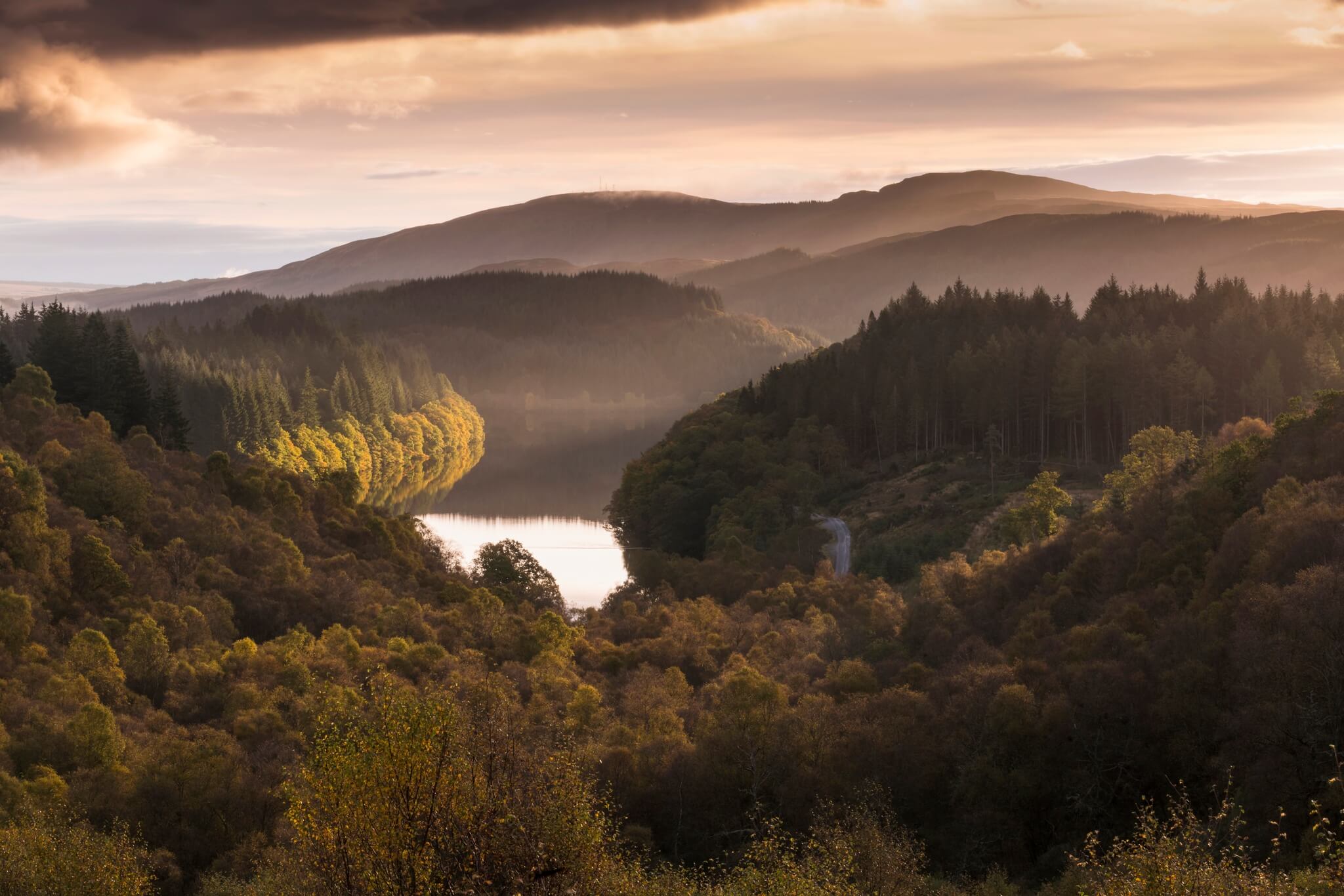
This itinerary takes you to the heartlands of Badenoch and the Earldom of Menteith where you can experience the early history of the powerful Comyns Clan and the later history where Cummings were involved in improving social, environmental and economic aspects of their local communities. The journey is set in the often majestic scenery of central and north east Scotland.

Day 1

Arrive in Aberdeen and spend a few hours exploring the distinctive grey-stoned architecture that gives the place its nickname of the Granite City.

Day 2

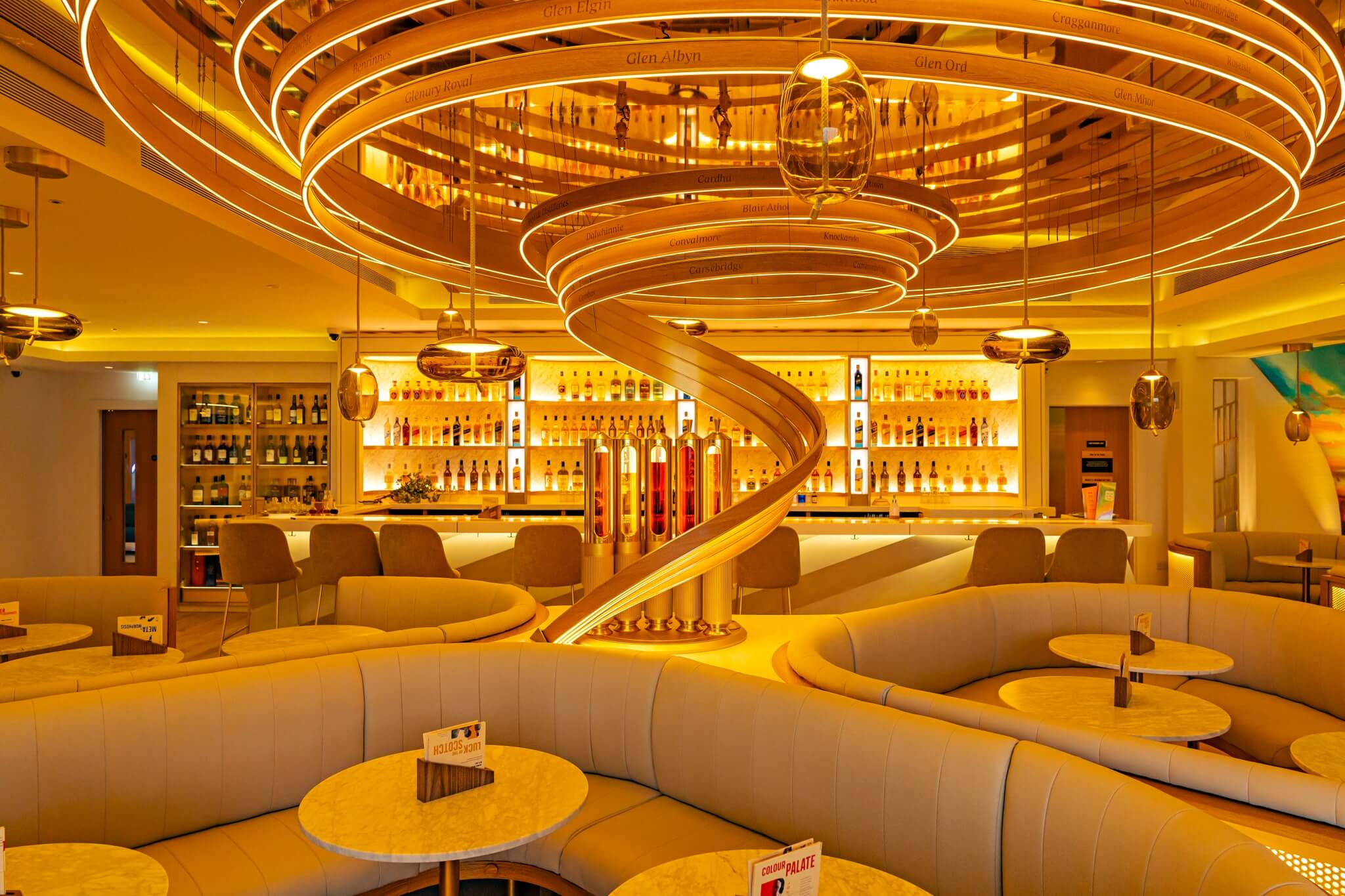
Travel north to Turriff. Here in the thirteenth century Alexander Comyn built a hospice. Nearby is Delgatie Castle ,an eleventh century tower house built by the Comyn Earls of Buchan. This is the oldest inhabited castle in Scotland and is open to the public. Following the Comyns' defeat at Bannockburn this castle was given to the Clan Hay, which was distantly related to the Comyns. It is now the Clan Hay Centre. A few miles to the east of Turriff is the small rural parish of Monquhitter. Here is Cuminestown, a planned village created by Joseph Cumine of Auchry. Building started in 1763, Joseph's ambition being to establish a market place for the surrounding farmlands. You may find some of your ancestors in the Cuminestown graveyard! Carry on westward through Huntly, a former stronghold of the clan Gordon. Robert the thirteenth Chief of Altyre married a Gordon heiress bringing Gordonstoun land into the family, hence the name of the present chief Gordon-Cumming. Huntly Castle played a pivotal role in the history of the Gordons over many centuries. And on into Dufftown where Balvenie Castle can be found a mile to the north in Glen Fiddich (famous for its whisky). Marjory daughter of Fergus, Earl of Buchan married William Comyn, who became the Earl of Buchan and Lord of Belvenie. He built this castle in the 1200's. It left the Comyn's ownership as a consequence of Robert the Bruces' royal ambitions and although a ruin is well worth a visit, offering an insight into life in Glen Fiddich. Stay overnight in one of the many village and farm guest houses in the area.

Day 3

Travel south along the A95 which follows the River Spey into the lands once known as Badenoch. You are in part of the Cairngorms National Park, an area of fabulous landscapes and abundant wildlife. Vast ancient forests and snow capped mountain peaks hide numerous lochs. A short detour from the main road brings you to Nethy Bridge, just north of Aviemore. Here a huge fortress, Castle Roy, rises from a rocky mound, this is said to have been the stronghold of the Comyns. The local community has set up a trust to try to preserve the castle. Near Aviemore also is the Cairngorm funicular, the highest and fastest mountain railway in the country and a special way to enjoy spectacular views. Further south along the A9, in the heartlands of Badenoch are the villages of Kingussie and Newtonmore where you'll find two fascinating Highland Folk Museums. Here, more than 400 years of Highland life are brought to life in exhibitions which track the everyday experiences of clansman and crofter. Follow the A9 south through Pitlochry, Dunkeld - where the famous actor Alan Cumming, star of Cabaret and X-men, was brought up - and around Perth then head southwest to Stirling.

Day 4

Spend some time in Stirling to visit the impressive Stirling Castle, a favoured royal retreat and the childhood home of Mary, Queen of Scots. Travel a mile or so southwest of the city to visit the very poignant site of the Battle of Bannockburn (1314). On the death of Alexander III in the late thirteenth century, two Comyns, Earl of Buchan and Lord of Badenoch, direct descendants of Duncan I, were appointed to the council of six guardians of Scotland. Struggles to win the throne led to the deaths of the two Comyns at the hands of Robert the Bruce in 1306, in Greyfriars Kirk, Dumfries. Red Comyn's son fought with the English at the Battle of Bannockburn to avenge his father's death but was slain himself.

Day 5

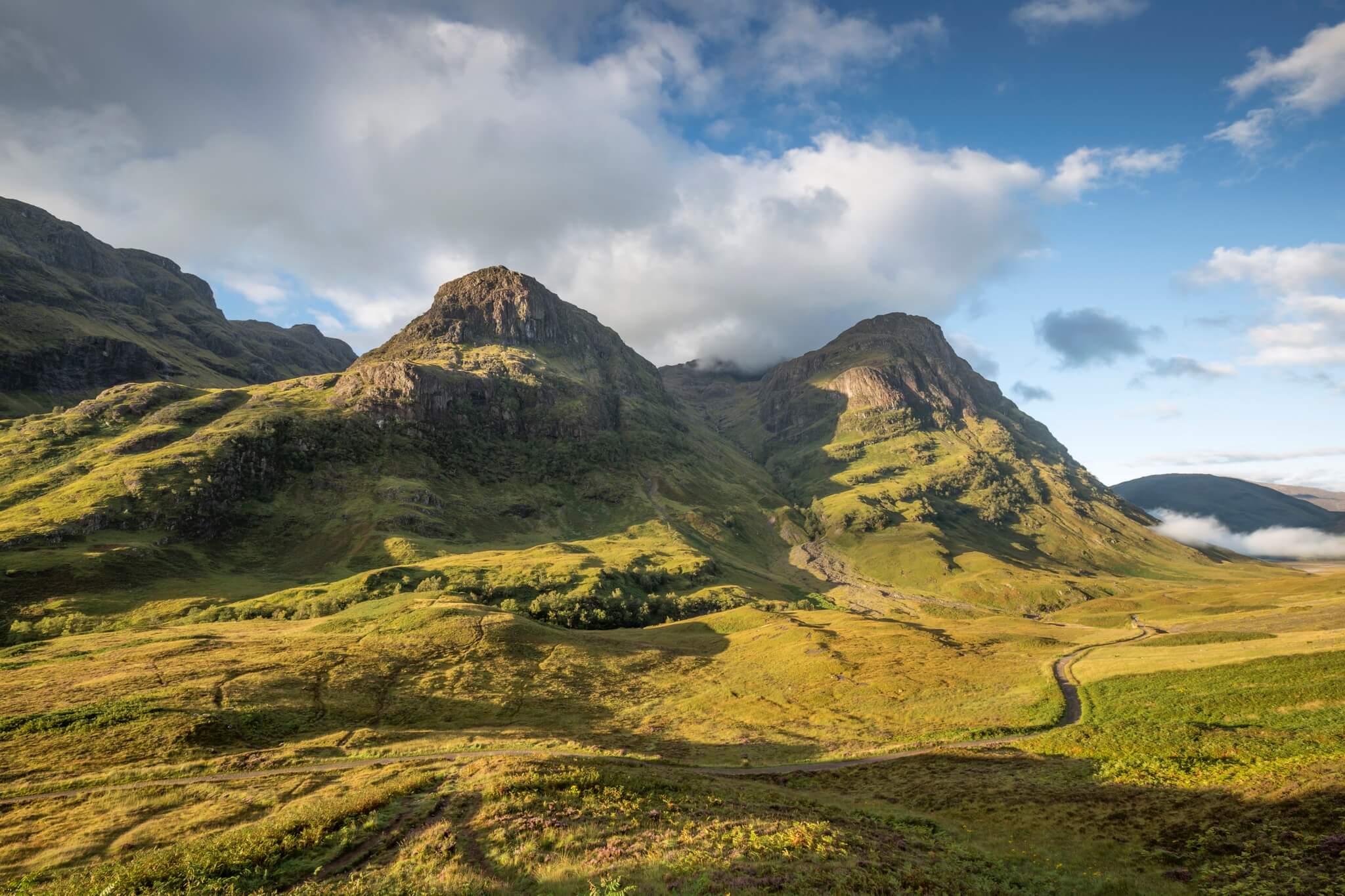
Leave Stirling and travel a few miles northwest on the A81. There you will find the Port of Menteith on the shore of the only lake in Scotland, Lake Menteith. Menteith was one of the Earldoms acquired through beneficial marriage by the Comyns in their early history. On an island in the lake is the Priory of Inchmahome, founded by Walter Comyn in 1238. The priory was refuge to the infant Queen Mary at one time and is now cared for by Historic Scotland. A ferry will take you from the Port to the island, where you can see most of the thirteenth century buildings together with picturesque views and abundant plant and wildlife - don't forget to take a picnic. If time allows before driving up to Inverness take the road to Fort William, where you can stay over night in the historic seaside town. On the way travel through the Queen Elizabeth Forest Park and along Glen Coe ("narrow glen"). The Glen Coe mountain scenery is as famous as the events which took place there in 1692. A stunning new Visitor Centre can be found at nearby Inverigan where the whole bloody story unfolds in a memorable audio-visual experience. Glencoe's scenery features in a number of Hollywood movies, Harry Potter and the Prisoner of Azkaban being the most recent.

Day 6

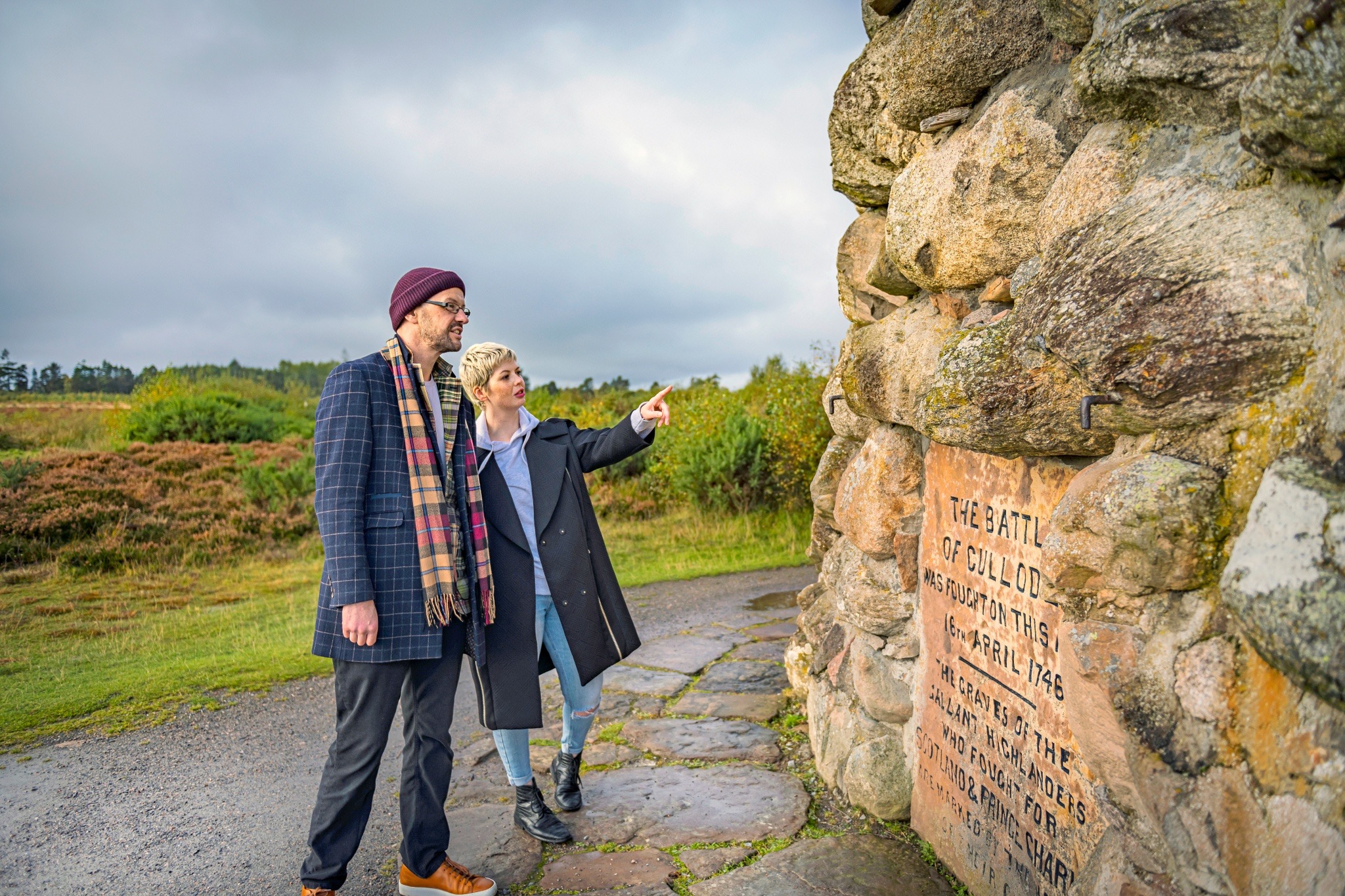
Inverlochy Castle is a mile north of Fort William and was built in the 1200's by Comyn of Badenoch. It has changed hands several times since then! Continue northeast to Inverness, enjoying the scenery as you pass by Lochs Lochy and Ness. Look out for the fabled monster! You may want to relax and enjoy the Highland hospitality of Inverness after a busy few days, but if not there's plenty to see. You can experience the beautiful, bustling capital of the Highlands. A fine introduction to the area can be found at Inverness Museum.Then, for a truly atmospheric experience, make the short journey to the battleground of Culloden where, in April 1746, 'Bonnie' Prince Charlie's Jacobite rebellion was crushed by Government forces.

Day 7

Travel a few miles east to Nairn, a seaside town on the Moray Firth coast from where a dolphin colony can sometimes be seen playing in the sea. To the south of Nairn is the fairy-tale Cawdor Castle. The castle is owned by the Earls of Cawdor whose maternal ancestors were the medieval Thanes of Cawdor. Richard Comyn, who was Chancellor of Scotland in 1133 married Hexstilda of Tynedale, great grand daughter of King Duncan whose murder is part of Shakespeare's famous tragedy, Macbeth. The castle is encompassed by three gardens, a golf course and wood, through which a path leads to the garden at the Cawdor dower house which was inspired by Tibet's Tsangpo Gorges. Travel eastwards to Forres and then south towards Dava. Just 4 miles south of Forres is the current clan chief's home at Altyre House (not open to the public). The Cummings of Altyre descended from the brother of Black Comyn and established themselves here in Moray. The current Clan Chief is Sir Alistair Gordon-Cumming of Lochtervandich and Auchry, Baronet of Altyre and Gordonstoun. He inherited these titles in 2002. His father Sir William was a noted conservationist and involved with the return of the osprey to Scotland. A few more miles south you pass through Dunphail, where another of the Comyns castle ruins can be seen. Turn off at Dava to view the ruins of the famous thirteenth century island fortress of Lochindorb Castle in the Loch of the same name. It can be seen from the lay-by on the roadside north of Lochindorb Lodge. John "the Black" Comyn built the formidable stronghold but it was seized by Alexander Stewart "the wolf of Badenoch" in 1372. Return to Nairn to spend an evening by the sea.

Day 8

Drive back to the city of Aberdeen and spend the rest of the day exploring the city of Aberdeen, perhaps to visit the fine Maritime Museum or the elegant buildings of Kings College, one of the oldest university colleges in Scotland.

Day 9

Leave Aberdeen behind, but take with you memories of a place steeped in the myths, legends and heritage of your ancestors. *------------------------------------------------------------------------------
To search over 8,000 quality assured accommodation, from bed and breakfast to castles log on to www.visitscotland.com.

The information contained in this itinerary is as supplied to VisitScotland and to the best of VisitScotland's knowledge was correct at the time of publication. VisitScotland can accept no responsibility for any errors or omissions.

VisitScotland is committed to ensuring that our natural environment and built heritage, upon which tourism is so dependent, is safeguarded for future generations to enjoy.

Print this page - all information will be printed

Page top