Content on this page requires a newer version of Adobe Flash Player.

Get Adobe Flash player

Scottish Clan Tours

Researching your family tree is a voyage of discovery. Full of intrigue, exotic names and fascinating histories. It is a pastime that rewards again and again. But those who simply trace their family tree from the comfort of their own home are missing out on the real story of their heritage.

For the whole exciting picture, you need to visit the places you read about. And that means a trip to Scotland. To help you plan your trip, we've compiled a number of clan-themed touring itineraries . So if you see your clan name, just follow the trail and walk in your ancestors' footsteps.

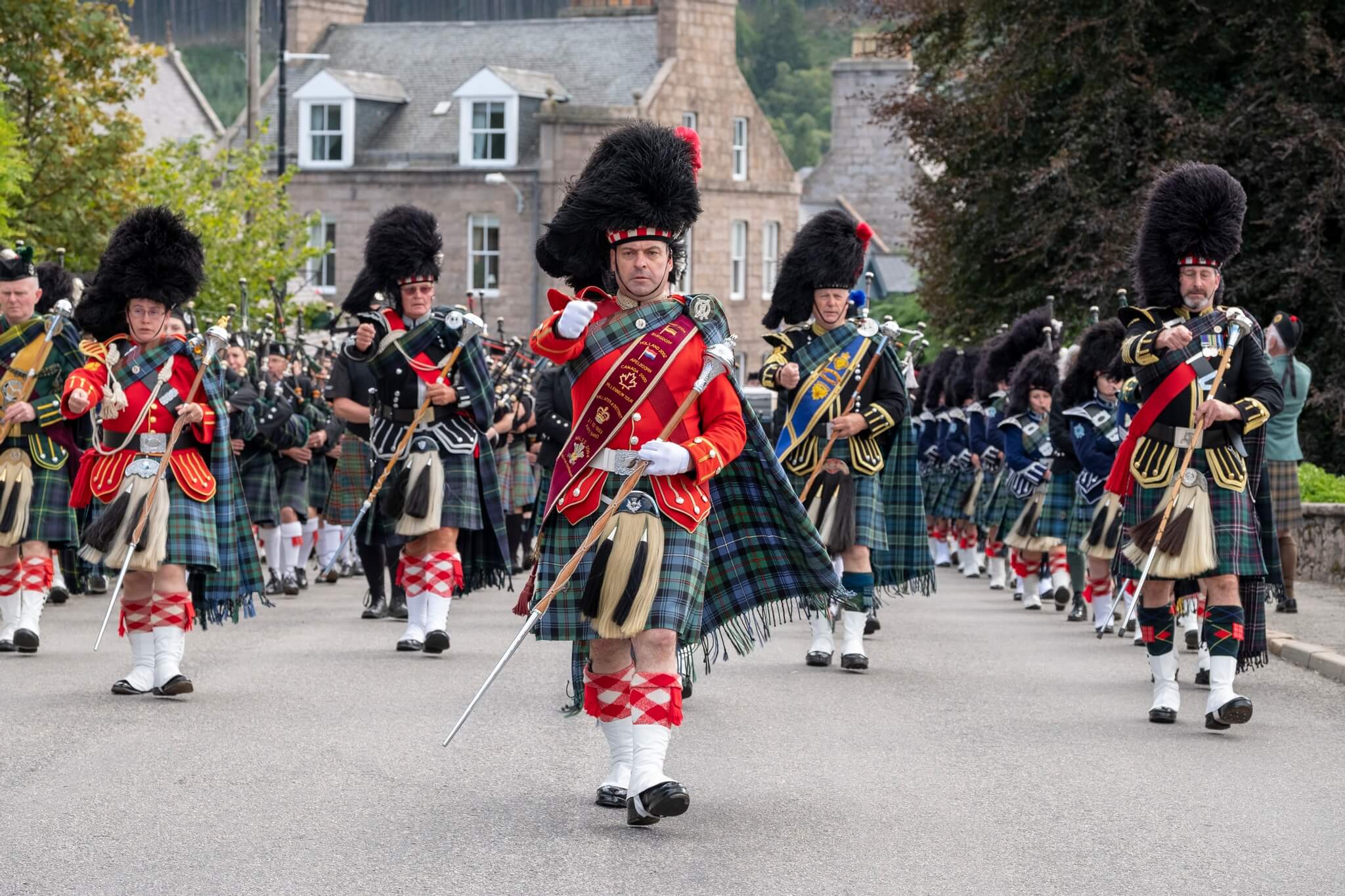
From evenings of toe-tapping traditional music in friendly pubs to the colour and excitement of Highland Games, every gathering of Scots is a celebration that you'll want to be part of.
Clan Gunn touring information

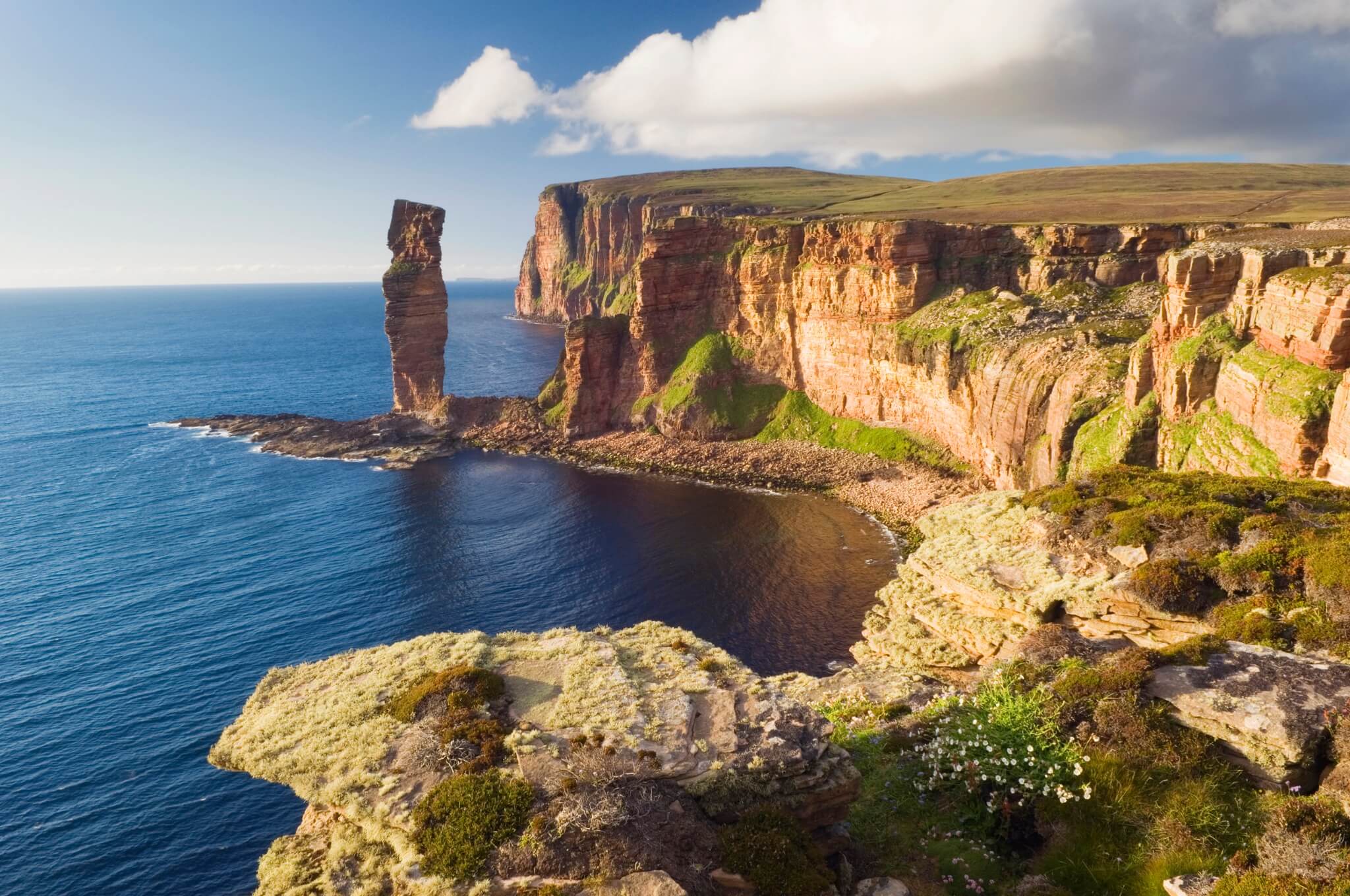
The dramatic landscapes and seascapes of the north of Scotland are the ancestral homeland of the Clan Gunn. The descendants of Viking adventurers, the Gunns were a fierce warring clan striving for wealth and power against their neighbours the Mackays, Keiths and the Earls of Caithness and Sutherland.

This itinerary focuses on the clan's intimate connections with the far north of Scotland and the islands that lie beyond its rugged coastline. Partly due to its geographical isolation, partly due to its links with successive generations of invading Norsemen, Orkney has retained its own distinctive identity. A trip to these isles offers an opportunity to experience a unique aspect of Scottish life. The itinerary will highlight just a few of the stories and places where Clan Gunn chiefs and their followers have left their mark. You can experience the peace and tranquillity of the inspiring Scottish landscapes, the evocative splendour of ancient castles, the hospitality of the local people and much more.

Day 1

Arrive in Inverness, the beautiful, bustling capital of the Highlands. You could start your exploration of Highland heritage at the Inverness Museum in the heart of this small city. The Inverness library has a dedicated genealogy team which can help with your research, though you are advised to contact them in advance

Day 2

We set off today to Caithness in the north. Travel across the Black Isle, cross over the Cromarty Firth and follow the road up the coast towards Golspie. Just north of Golspie is Dunrobin Castle, the principal seat of the Sutherland chiefs. It was first built by Robert, the 6th Earl of Sutherland in the late 14th century. It was the 2nd Duke who, in the 19th century, transformed the typical Scottish castle into the beautiful French style palace you can visit today. There are also beautiful formal gardens with falconry displays and a museum of souvenirs brought back from hunting trips around the world. The Sutherland Earls both feuded with Clan Gunn and offered them protection at different times in their long history as neighbours and powerful rivals. Continue along the coastal road to Helmsdale. Helmsdale was originally a Viking settlement but was greatly extended as a planned village to accommodate some of the people cleared from their crofts by the Duke of Sutherland in the 1800s. The Timespan Heritage Centre retells the story of the clearances and other historical events which took place in the area, including the 1869 gold rush! Enjoy a break in the peaceful riverside gardens and café. Helmsdale sits at the end of the Strath (valley) of Kildonan along which you will find Kildonan and Kinbrace where Gunn clansmen lived from the 15th century up to the Clearances in 1819. Down the river from the church at Kildonan was Killearnan the seat of the McHamish Gunns, until it was destroyed by fire in 1690. Nothing remains of the original house. The first chief of Clan Gunn to appear in records was George Gunn the Coroner or Crowner of Caithness in the 15th century. He was known as "Am Braisdeach Mor", the "great brooch-wearer" because of the insignia he wore as coroner. Kinbrace is said to have been named after this brooch. Retrace your steps back to Helmsdale and just to the north along the coast is Navidale which was held by several generations of the McHamish Gunn chiefs.

Day 3

Now make your way to Dunbeath which celebrates its links with the novelist Neil M Gunn (1891-1973) who was born here. The Dunbeath Heritage Centre has exhibitions and research facilities for those interested in the local archaeology and history. And Dunbeath Strath, which features in many of Neil Gunn's novels, provides a beautiful and peaceful place for a stroll. Braemore is inland to the west of Dunbeath along Berriedale Water. The great and powerful Crowner, George Gunn lead the clan in a bloody feud against their rivals the Keith clan. Dugald Keith is blamed for one such episode when he kidnapped the daughter of Gunn of Braemore having slain many of her kinsmen and took her back to Ackergill Castle. She threw herself from the tower rather than submit to her abductor. Continue along the coast to Latheron where you will find the Clan Gunn Museum and Heritage Centre housed in the Latheron Parish Church. Just a few miles further on, you will find Clyth Ness and Halberry Head where the two earliest Gunn strongholds were built. Gunn or Clyth Castle was built in the 13th century on an isolated rock outcrop, but the remaining ruins are now inaccessible. A replacement castle was built later in the 13th century by the Gunn chiefs at Halberry. The Crowner lived here in some splendour until his death after which the castle was abandoned.

Day 4

Continue north towards Wick but turn off the main road after Ulbster to find Tannach, the site of a battle against the Keiths in 1438. The Gunns were defeated and some moved south to Braemore and the Strath of Kildonan. Now make your way to the historic town of Wick, where the sheltered harbour once played host to the hustle and bustle of hundreds of herring fishing boats. As well as a wealth of exhibits and photographs, The Wick Heritage Museum has restored a fishing boat, the Isabella Fortuna, and it can be seen in the inner harbour. There is some confusion as to where the battle of Alt-no-gaun (1478) took place. This was to be the final battle in the feuds between the Gunns and the Keiths. By prior arrangement, each clan was to arrive at the appointed place with twelve horses bearing the clan Chiefs and their relations who were to settle their quarrels by a fight to the death. The battle may have taken place a few miles north of Wick at St. Tayre's Chapel at Ackergill, situated on the coast roughly equidistant between Ackergill Tower and Sinclair Girnigoe Castle. The Gunns were defeated when the Keiths arrived with two warriors on each horse thus outnumbering the Gunns two to one. Nothing remains of the chapel but both Ackergill Tower and Sinclair Girnigoe Castle are spectacular viewed from the road, silhouetted against the sea and the sky. You can visit Sinclair Girnigoe Castle, which is currently undergoing an ambitious programme of preservation work by the Clan Sinclair Trust. John Gunn of Braemore was hanged at the castle in 1586 and in 1612 William Angus Rory Gunn escaped from the castle by jumping into the sea. Make sure you plan your escape before visiting! On the road to John o'Groats you will pass Freswick Bay. Ness Head, the southern tip of the bay is the possible site of the Viking Sweyn Asliefson's castle of Lambaborg.

Day 5

John o'Groats is the most northerly point on the British mainland. From here you can look across the waters of the Pentland Firth to Orkney where we will make our way to see the Norse heritage of the Gunn clan. For a day trip to Orkney take the short ferry ride and coach tour from here. Alternatively take either of the car ferries at Gill's Bay or Scrabster to enjoy the slightly more leisurely exploration described here. In the 12th century Gunni, the grandson of Sweyn, settled in Caithness with his wife, Ragnhild who had been given land there by her brother Harald, Earl of Orkney. She was descended from Earl, later to be Saint, Ragnvald (Rognvald) who founded the great St Magnus Cathedral in Kirkwall. The cathedral, work on which was begun in 1137, towers high above the town and nearby are the Bishops and Earls Palaces and the Tankerness House Museum.

Day 6

A day to explore Orkney's prehistoric past. Head first to the Orkneyinga Saga Centre in Orphir for an overview of the islands' Norse history. Sweyn Asleifson killed his namesake Sweyn Breastrope at the Earl's drinking hall here in 1135. The round church was built by Earl Hakon, having sought absolution in Rome for the killing of Earl Magnus. The church is said to have been modelled on the Church of the Holy Sepulchre in Jerusalem. At Maeshowe investigate a Neolithic chambered tomb raided by Norsemen who left runic inscriptions - Viking graffiti - on the walls of this spectacular chamber, already ancient by the time the Vikings found it. Stromness, the second largest settlement in Orkney, is a sheltered port which has been a haven since Viking times. The town as you see it today, with its picturesque houses and jetties, developed during the 18th and 19th centuries as a port of call for Atlantic shipping. Stromness Museum portrays the maritime and natural history of the islands. And further round the coast is Skara Brae, an amazingly well-preserved 5000 year old village, part of a group of prehistoric sites known collectively as the "heart of Neolithic Orkney". North along the coast is Birsay, where the Viking Earl Thorfinn the Mighty had his Hall and where the cathedral church of Orkney stood before St. Magnus Cathedral was built. It was here that St Magnus' body was first buried before being moved to its present resting place. There are a number of Viking longhouses on the tidal Brough, a spectacular site where the crashing seas and enervating wind will transport you back to a Viking world. Spend a second night in Orkney and enjoy more island hospitality.

Day 7

Take the ferry back to Caithness. To the west of Thurso is Sandside, the site of a battle between the Mackays and the Gunns in 1437, in which the Gunns were defeated. It is also the place where in 1615 the corn fields were burnt by John Robson, chieftain of the Clan Gunn, on the orders of the Earl of Caithness. This inflicted the desired misery on the local tenants but also led to the imprisonment of the Gunn Chief in Edinburgh. Return to Thurso and head down the A9 to Spittal. On the slopes of Spittal Hill below the road are the remains of the 12th century St. Magnus Chapel. This was the ancient burial place of the Gunn Chiefs who were brought here to be buried even after the focus of the Clan had shifted to Kildonan in Sutherland. The confusion as to where the battle of Alt-no-gaun took place has arisen because the area south of Westerdale is also said to be the site. Westerdale has long been associated with Clan Gunn. The later chiefs of the Cattaig family resided at Dale House, which is nearby. Dirlot Castle sits in a peat moor 3 miles south of Westerdale. Henry Gunn, one of the surviving sons of Crowner Gunn, is said to have revenged his father's death here by shooting an arrow through a small window, killing the Keith chieftain who was celebrating his victory. Close by is a small graveyard which was the burial place for the Gunns of Cattaig and Dalnaglaton. To reach the castle site you leave the minor road from Westerdale to Loch More and drive about half a mile through a sand pit to Dirlot Farm. You can park at the farm and then you must walk about 300 yards along a footpath to an old walled cemetery, remarkable in that the walls of the cemetery are laid out in the shape of an arrowhead.

Now travel back to Inverness. You may want to relax and enjoy the Highland hospitality of Inverness after a busy few days before starting your journey home, taking with you the memories of your journey through your ancestors' homelands.

------------------------------------------------------------------------------
To search over 8,000 quality assured accommodation, from bed and breakfast to castles log on to www.visitscotland.com.

The information contained in this itinerary is as supplied to VisitScotland and to the best of VisitScotland's knowledge was correct at the time of publication. VisitScotland can accept no responsibility for any errors or omissions.

VisitScotland is committed to ensuring that our natural environment and built heritage, upon which tourism is so dependent, is safeguarded for future generations to enjoy.

Print this page - all information will be printed

Page top