Content on this page requires a newer version of Adobe Flash Player.

Get Adobe Flash player

Tour Itineraries

Researching your family tree is a voyage of discovery. Full of intrigue, exotic names and fascinating histories. It is a pastime that rewards again and again. But those who simply trace their family tree from the comfort of their own home are missing out on the real story of their heritage.

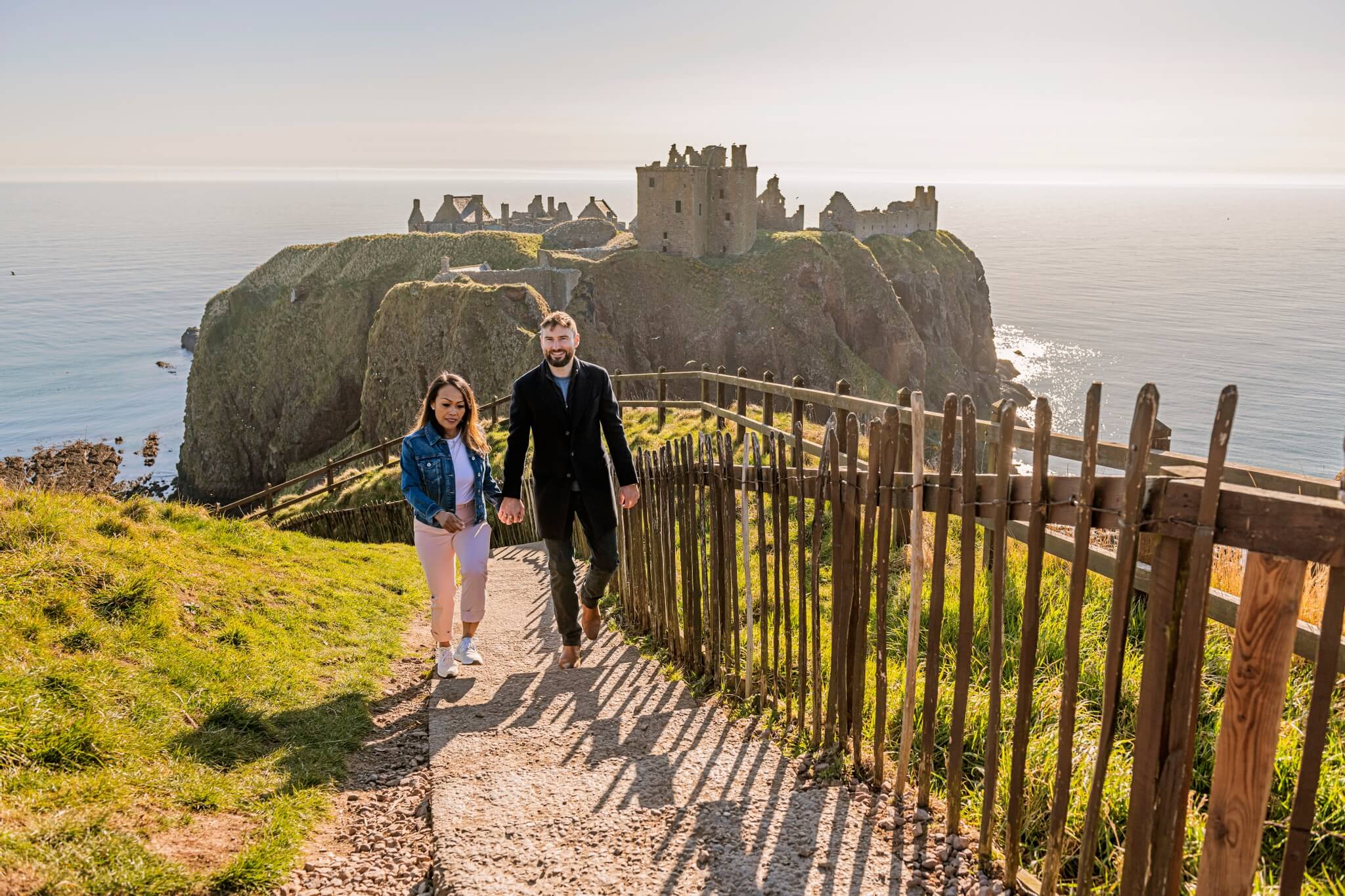
For thewhole exciting picture, you need to visit the places you read about. And that means a trip to Scotland. To help you plan your trip, we've compiled a number of clan-themed touring itineraries . So if you see your clan name, just follow the trail and walk in your ancestors' footsteps.

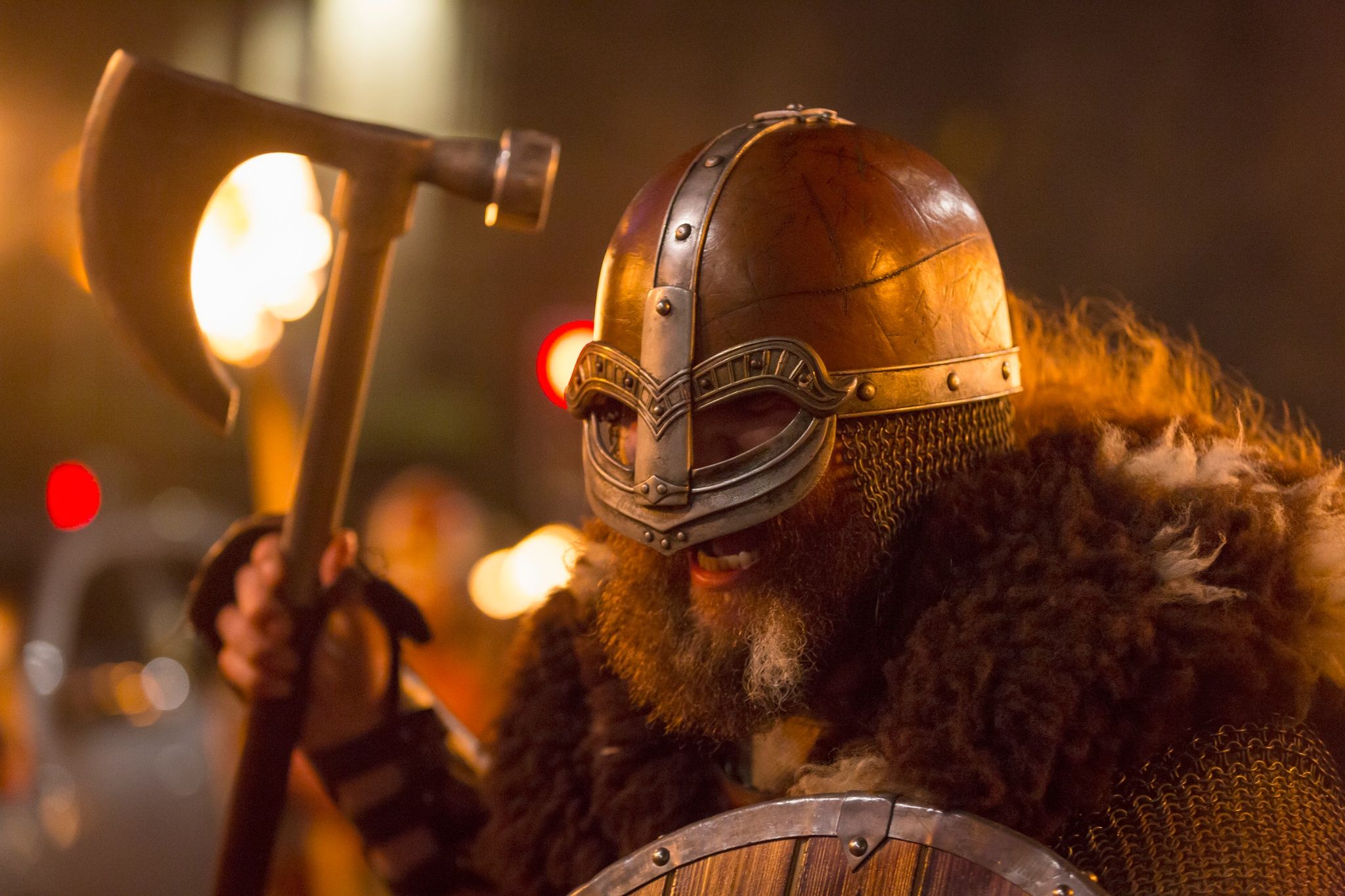
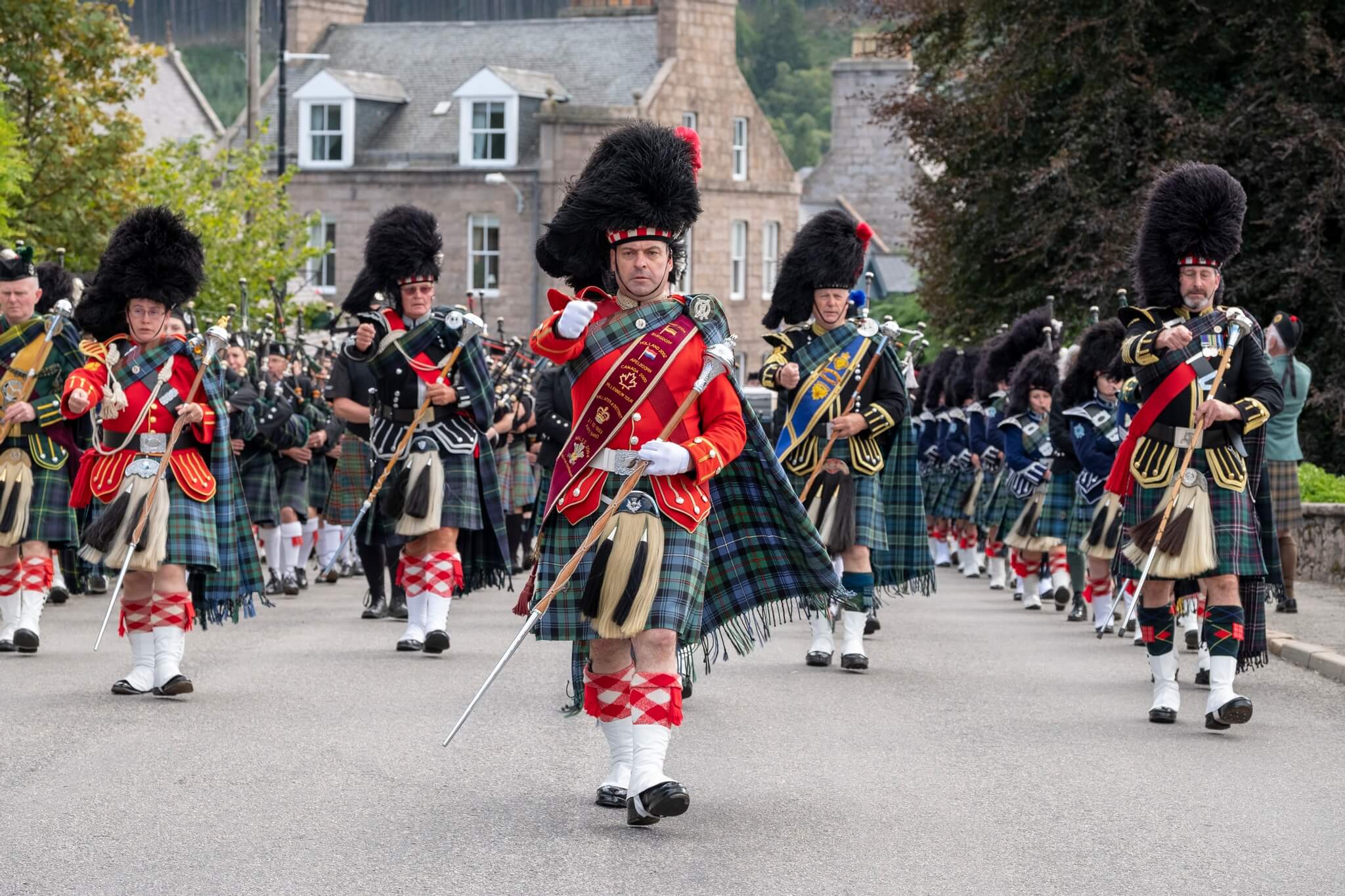
From evenings of toe-tapping traditional music in friendly pubs to the colour and excitement of Highland Games, every gathering of Scots is a celebration that you'll want to be part of.
Clan Leslie touring information

The Leslie Clan has a long and noble history. Bartholomew (or Bartolf) a Hungarian nobleman came to Scotland in 1067 and was the founder of this great Scottish family. They became the Earls of Rothes and Leven and created baronies of Ballinbreich, in Fife and Balquhain in Aberdeenshire. They held high positions in the government of Scotland and later played important roles in the battlegrounds of both Scotland and Europe.

This itinerary takes you from the royal castles of Edinburgh and Stirling to the ancestral lands in Fife and north into the Scottish Highland to the ancestral lands in Aberdeenshire. It will highlight just a few of the stories and places where Clan Leslie chiefs and their descendants have left their mark. You can experience the peace and tranquillity of the inspiring Scottish landscapes, the evocative splendour of ancient castles, the hospitality of local people and much more.

Day 1

Arrive in Edinburgh, Scotland's magnificent historic capital. You'll be spoilt for things to do and places to visit. A good starting point is the National Museum of Scotland in Chambers Street. Here, you'll find the history of Scotland from early geological times through to the present day. At the nearby Scottish Genealogical Society library in Victoria Terrace you'll find plenty of fellow travellers and enthusiastic researchers, as well as a wealth of genealogical information and guidance. No appointment is necessary but there is a small charge for non-members.

Day 2

You can visit the Palace of Holyroodhouse at the end of Edinburgh's historic Royal Mile. A magnificent mansion was built by the Leslie family in Leslie, Fife, based on the style and grandeur of Holyrood, but unfortunately the Palace of Leslie burnt down on Christmas day in 1763! At the other end of the Royal Mile is Edinburgh Castle, from the battlements of which you can enjoy commanding views out over both the New and Old towns of Edinburgh. Bartholomew, a Hungarian nobleman, was appointed Governor of Edinburgh Castle by King Malcolm Canmore III with whom he had found great favour. In 1070 he was married to the King's sister Beatrix, and it was their descendants who founded became the Leslie clan.

Day 3

Travel north-west to Stirling. Stirling is a historic city with much to offer its visitors. It is an attractive mix of old and new. For a very different experience visit the Old Town Jail but make sure you plan your escape! The impressive Stirling Castle towers above the river and medieval bridge. In the early 18th century the ninth Earl of Rothes was Vice Admiral of Scotland and also Governor of Stirling Castle. Whilst in Stirling take the opportunity to visit the very poignant site of the Battle of Bannockburn (1314). Robert the Bruce declared himself King of Scotland in 1306 and began a long and arduous campaign to secure his title, finally achieving success at this battle. Sir Norman Leslie sat in Robert the Bruce's parliament in 1314.

Day 4

King Malcolm Canmore III granted estates in Fife and Angus to his favoured Bartholomew. Today we will explore these areas to find the places where the Leslies settled. First make your way north-east to Leslie. Originally called Fythkill, these lands were acquired by Bartholomew's great-grandson, Sir Norman Lesley, and later in 1396 the Barony of Fythkill was granted to Sir George Leslie for an annual rent of a pair of gloves. At some point the name Fythkill was changed to Leslie. Here you will find the remains of the Palace of Leslie. The least damaged wing from the fire in 1763 was rebuilt in 1767 and this building, Leslie House, was the seat of the Earls of Rothes until 1919. It now belongs to the Church of Scotland and is a retirement home. Further east is Balgonie Castle which was built by Sir Thomas Sibbald of Balgonie, Lord High Treasurer of Scotland, in the 14th century. It is one of the finest tower houses in Scotland with crenulated battlement and corbie stepped gables. Sir Alexander Leslie purchased the castle in 1635 and in 1641 he was created Earl of Leven and Lord Balgonie. He was also Field Marshall to the Swedish Crown, serving for the first twenty years of the Thirty Years War. On his return to Scotland, Leslie was appointed Lord General of the Scottish Army of the Covenant during the English Civil War. Travel north to Abernethy. Here were the baronial lands of Ballinbreich. Ruins of the castle can be seen on the shore of the Firth of Tay (on private land, so ask permission if you want a closer look). George Leslie, a Lord of Parliament, Lord Leslie of Leven in 1445, united all his lands into the barony of Ballinbreich. Now make your way to Arbroath, via Perth or via the Tay Bridge and Dundee. In 1320 at Arbroath Abbey the Abbot drafted a formal document to Pope John XXII asking him to pressurise Edward II to recognise Robert as King of Scotland. The Declaration was signed by 39 Scots Lords including Sir Norman's son, Sir Andrew Leslie. Tartan Day on 6 April each year honours this event. Arbroath Abbey has a visitor centre where you can find out more about the most famous document in Scottish history.

Day 5

Travel along the scenic coastal road to Aberdeen. Spend a few hours exploring the distinctive grey-stoned architecture that gives the place its nickname of the Granite City. Perhaps visit the fine Maritime Museum or the elegant buildings of Kings College, one of the oldest university colleges in Scotland. Bartholomew first established himself in the Garioch district of Aberdeenshire and his descendants settled in many of the villages and hamlets in the area. We will head north-west and explore some of them. So now head towards Inverurie. Just south of Inverurie is Kemnay. This is where you will find Fetternear House. The area to the north is Balquhain, and the Leslie's here became the Barons of Balquhain. The Bishop of Aberdeen leased this house and other properties to the 8th Baron, John Leslie. Later in 1556 the buildings and lands were given to John's son William. William was the Sheriff of Aberdeen and had protected Aberdeen cathedral from the "Reformers" attacks. Then the house became the chief residence of the Lords of Balquhain. Unfortunately it was destroyed in a fire in the 1920s but is now the subject of an archaeological investigation and may be restored. A few miles to the north is Chapel of Garioch. Nearby is a megalithic stone circle and half a mile south-east of the parish church lie the ruins of Balquhain Castle. The Leslies occupied the castle from 1340. It was visited by Queen Mary in 1562 but was burned down by the Duke of Cumberland in 1746. Just north is Pitcaple, where the Leslies lived in Pitcaple Castle for 300 years until 1757. It is set in park and woodland and is privately owned, but welcomes guests wishing to experience life in an ancient Scottish castle. West from here is Insch, the site of Leslie Castle. A great castle stronghold was built here by the Leslies who lived there until 1620. It was then rebuilt in the mid 1600s. Recently it has been restored and is in private use. The village of Leslie is two miles to the south-west of here. Originally the place was known as Lesselyn and this evolved into Lesley, giving the clan its name.

Day 6

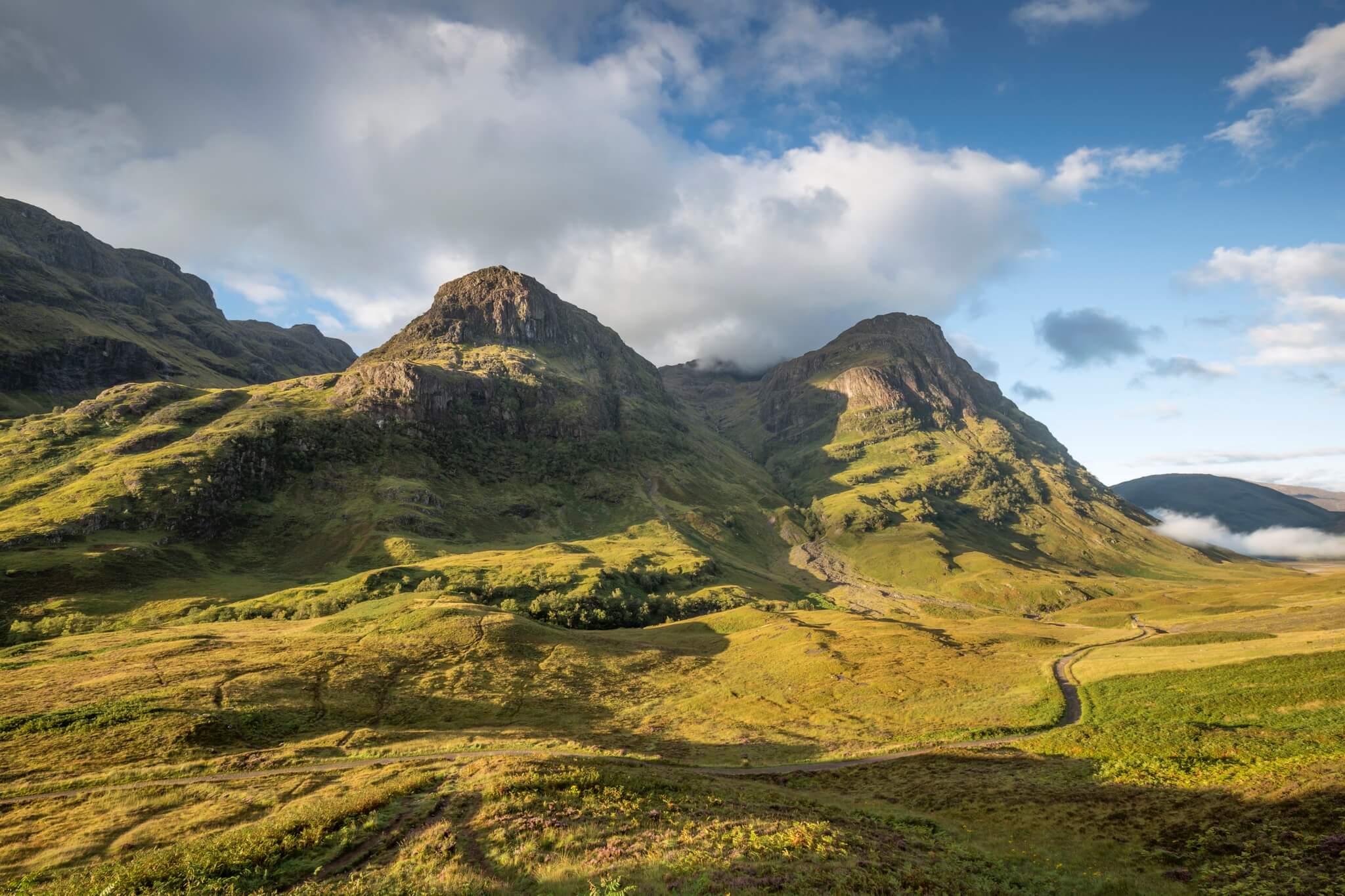
Now make your way to Rothes, 10 miles south of Elgin. Only a high stone wall remains of the castle built here in the 14th century, when your Leslie ancestors came here. The Earls of Rothes lived here until the 1700s when they moved to Fife. Now head for Inverness, enjoying the beautiful scenery and the numerous distilleries and other visitor attractions where you can break your journey. You may want to relax and enjoy the Highland hospitality of Inverness after a busy few days, and there is plenty to see. A fine introduction to the area can be found at Inverness Museum.

Day 7

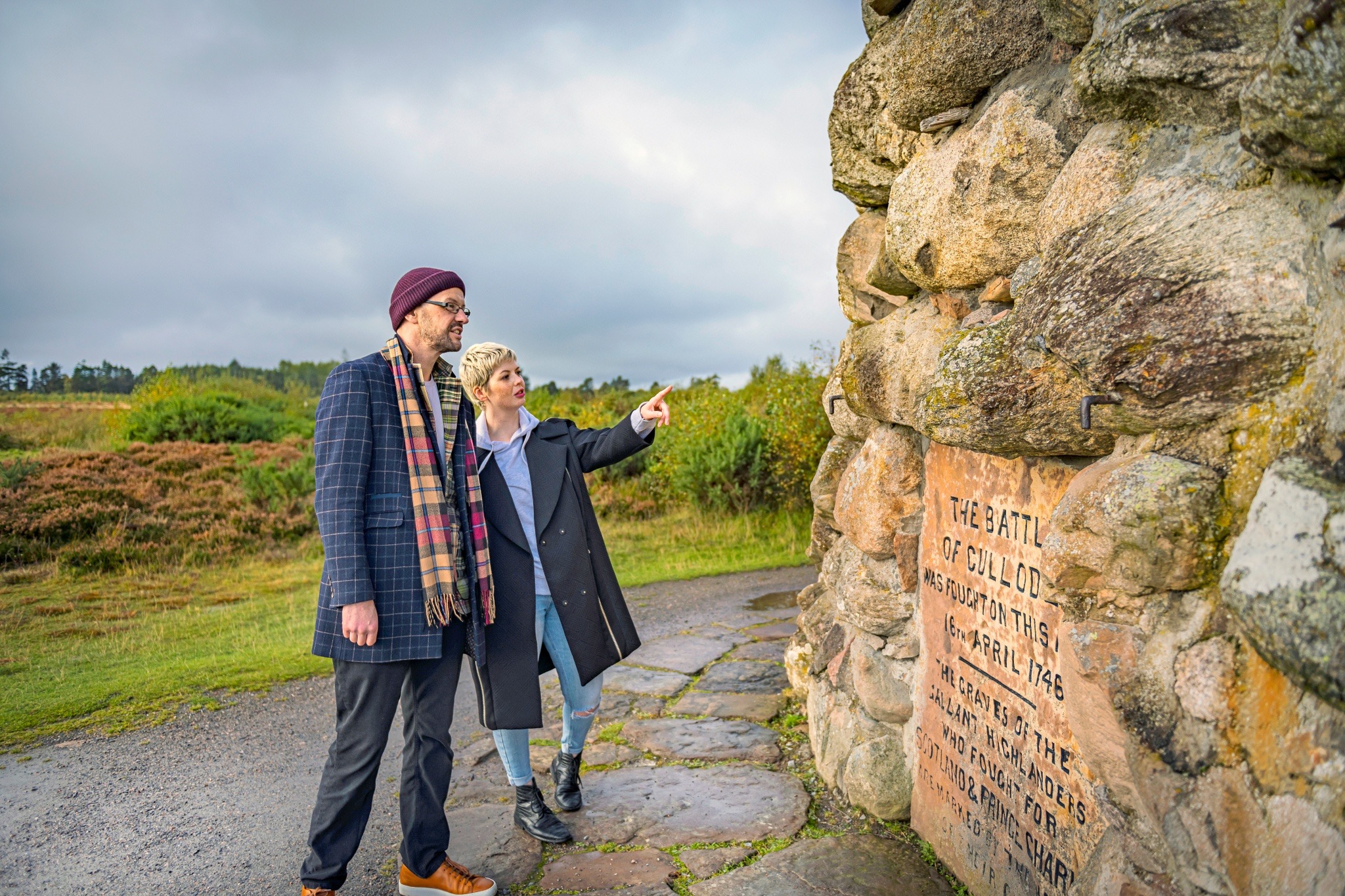
For a truly atmospheric experience, make the short journey to the battleground of Culloden where, in April 1746, 'Bonnie' Prince Charlie's Jacobite rebellion was crushed by Government forces. Now take the A9 south back towards Edinburgh. Near Aviemore is the Cairngorm funicular, the highest and fastest mountain railway in the country and a special way to enjoy the spectacular views. At Newtonmore and Kingussie you'll find two fascinating Folk Museums where more than 400 years of Highland history are brought to life in exhibitions which track the everyday experiences of clansman and crofter. On your way you can visit the seat of the Dukes and Earls of Atholl, Blair Castle. It is set in majestic grounds in the heart of highland Perthshire. It has extensive collections of arms and armour, pictures, furniture, porcelain, embroidery and family memorabilia and although a private home is open to the public. In the early 17th century George Leslie of Balgonie was Captain of Blair Castle. Many of the Leslie clan became soldiers serving in many European countries in this period.

Day 8

Before leaving Scotland, return to Edinburgh where you might like to relax and enjoy one of the excellent bus tours of the city, explore the famous Royal Mile in the old Town or take a stroll through the elegant New Town.

 ------------------------------------------------------------------------------
To search over 8,000 quality assured accommodation, from bed and breakfast to castles log on to www.visitscotland.com.

The information contained in this itinerary is as supplied to VisitScotland and to the best of VisitScotland's knowledge was correct at the time of publication. VisitScotland can accept no responsibility for any errors or omissions.

VisitScotland is committed to ensuring that our natural environment and built heritage, upon which tourism is so dependent, is safeguarded for future generations to enjoy.

Print this page - all information will be printed

Page top