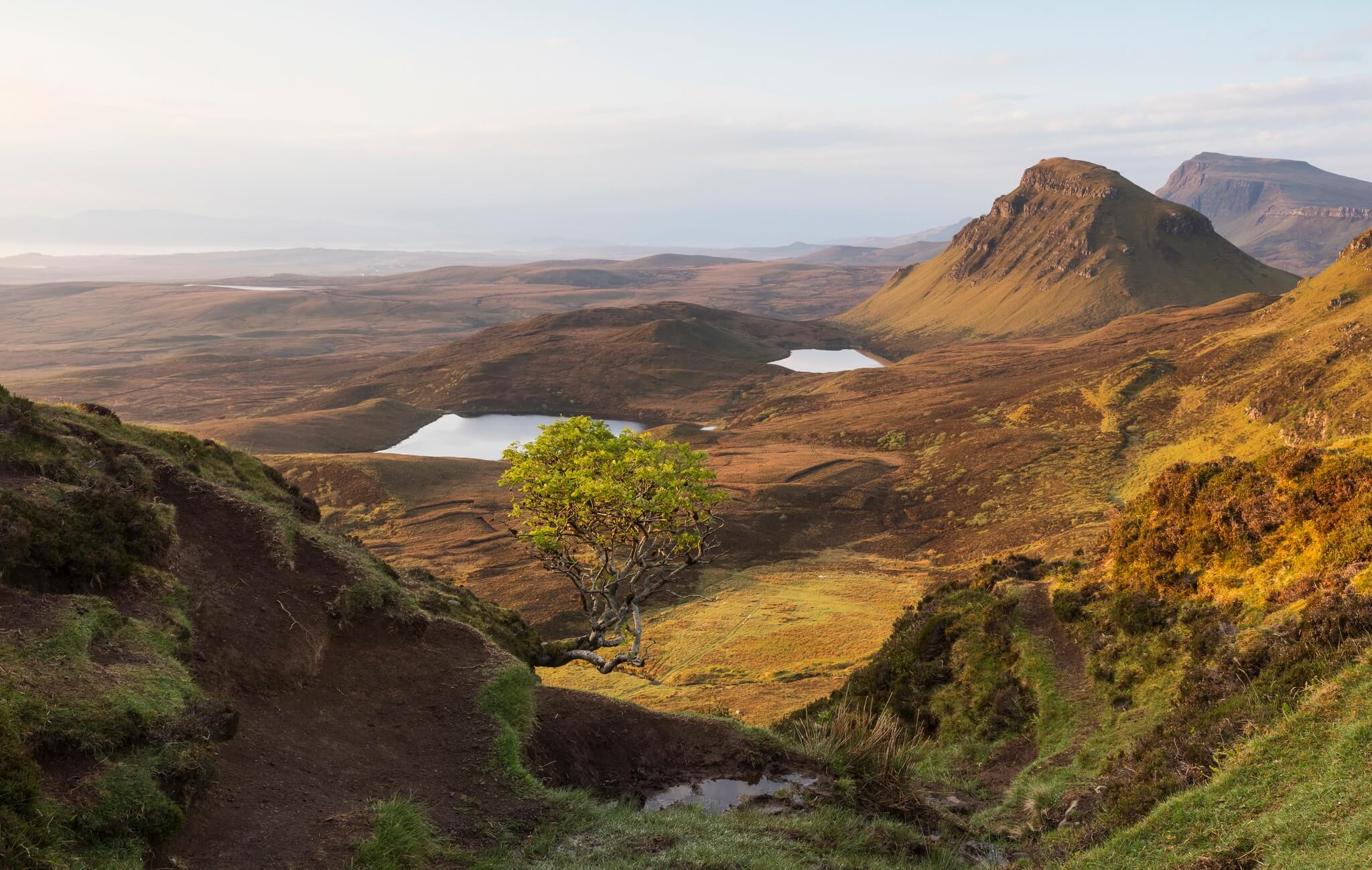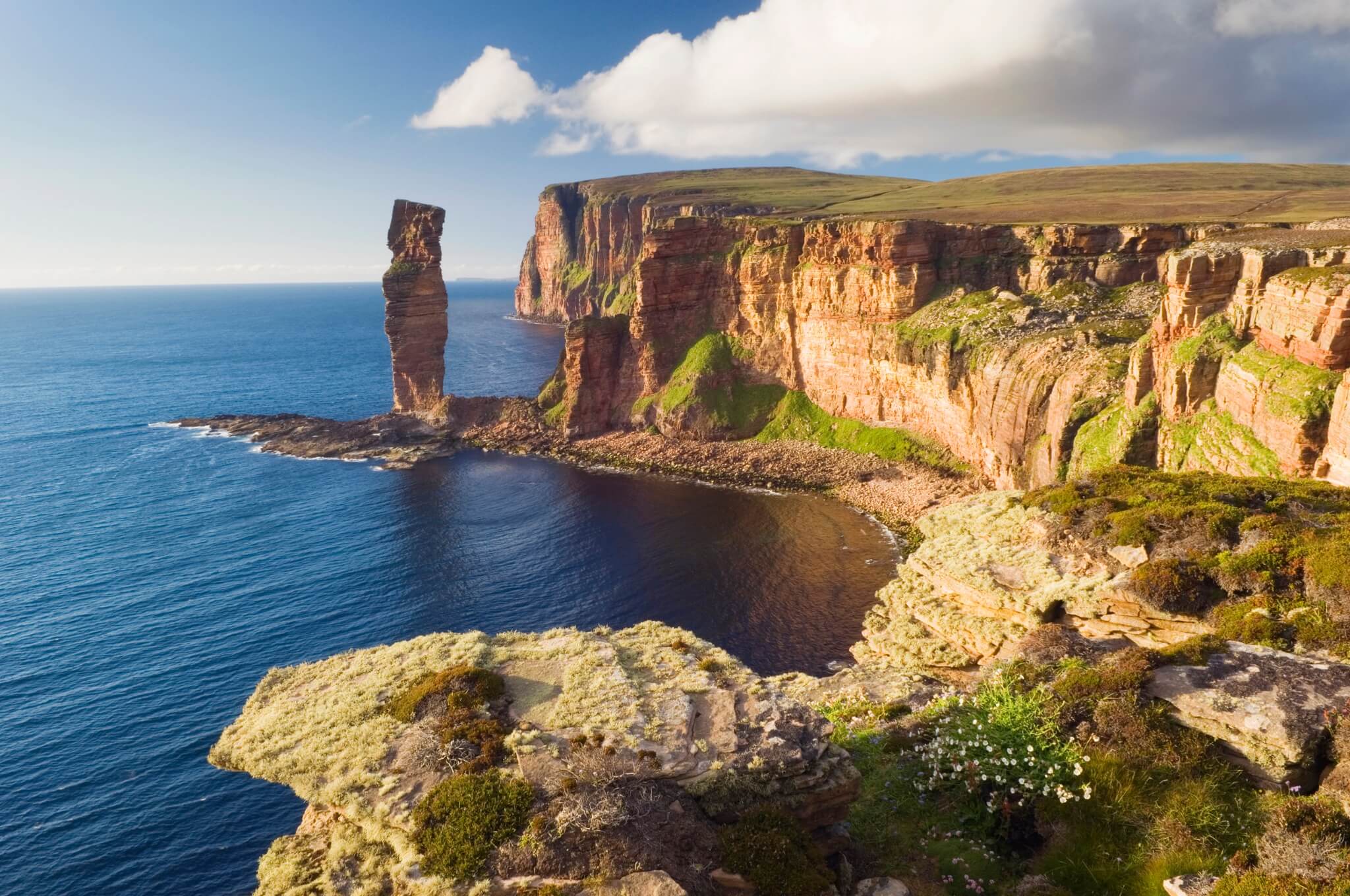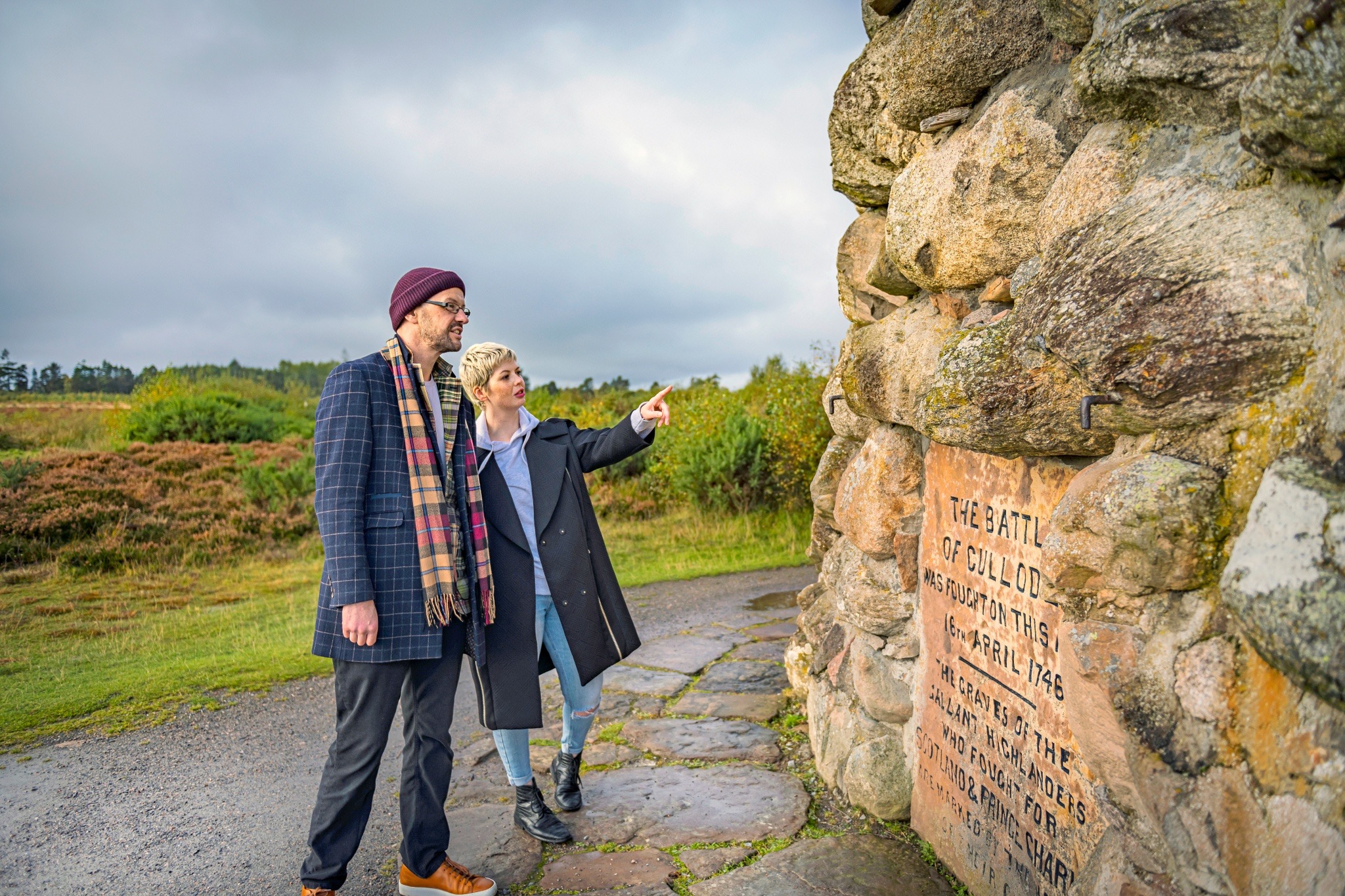
Explore Scotland's Regions
When you come to visit Scotland, you'll want to visit lots of different regions. Find out more in the Regions and Counties section.Scottish Clan Tours
Researching your family tree is a voyage of discovery. Full of intrigue, exotic names and fascinating histories. It is a pastime that rewards again and again. But those who simply trace their family tree from the comfort of their own home are missing out on the real story of their heritage.
For the whole exciting picture, you need to visit the places you read about. And that means a trip to Scotland. To help you plan your trip, we've compiled a number of clan-themed touring itineraries . So if you see your clan name, just follow the trail and walk in your ancestors' footsteps.
The Macfarlane Clan are descendants of Alwyn, the Celtic Earl of Lennox. His
youngest son Gilchrist was given lands at Arrochar on the shore of Loch Long.
It was Gilchrist's grandson Parlan who gave his name to the clan. They were
followers of the Lennox Earls and fought with them in many of the battles of
the 15th and 16th centuries.
The Clan Macfarlane history can be traced in the lowlands of south
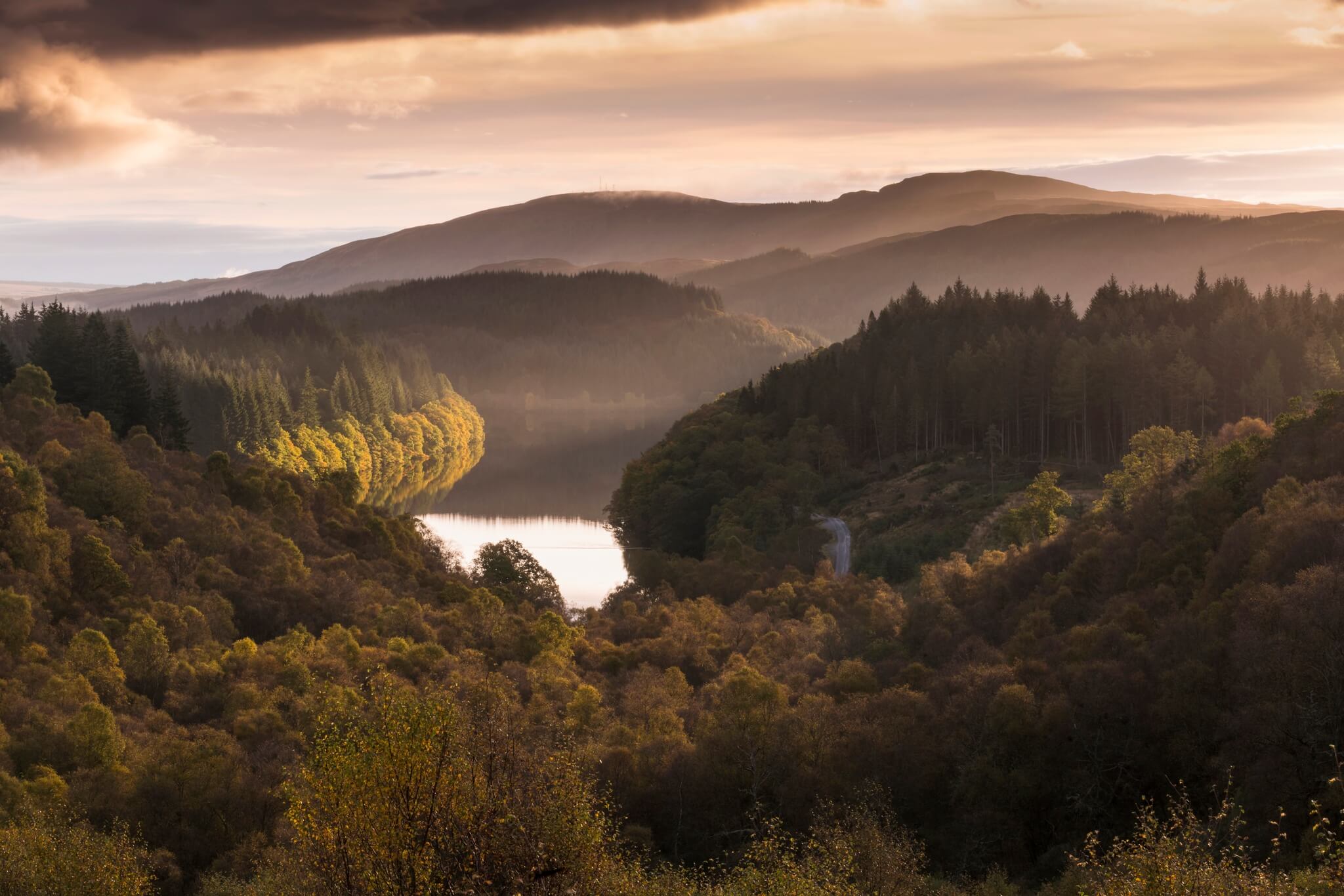
Stirlingshire and in the lands of Loch Lomond and The Trossachs National Park.
This is an area of magnificent scenery which has inspired both paintings and
literature alike. You will travel through the rolling lowlands, forests and
woodlands towards the mountains in the north. Here we will highlight just a few
of the stories and places where the Macfarlanes and their followers have left
their mark. You can experience the peace and tranquillity of inspiring Scottish
landscapes, the evocative splendour of ancient castles, the hospitality of the
local people and much more.
Day 1
Arrive in Edinburgh, Scotland's magnificent historic capital. You'll be spoilt for things to do and places to visit. A good starting point is the National Museum of Scotland in Chambers Street. Here, you'll find the history of Scotland from early geological times through to the present day. The 20th Chief Walter Macfarlane, a noted antiquary and scholar from Arrochar, lived most of his life in Edinburgh in the 18th century. His portrait hangs in the museum of the Society of Antiquaries and his library is still used today by antiquarian students. The museum is housed here in the National Museum of Scotland. At the nearby Scottish Genealogical Society library in Victoria Terrace you'll find plenty of fellow travellers and enthusiastic researchers, as well as a wealth of genealogical information and guidance. No appointment is necessary but there is a small charge for non-members.
Day 2
Spend a second day in Edinburgh. After the death of Duncan, the last Celtic Earl of Lennox, the Macfarlanes had strenuously opposed the Stuart's claim to the Earldom with disastrous results. The chief and his family perished and others took refuge in remote parts of the country. However Andrew Macfarlane saved the clan by supporting the Stuarts and marrying the daughter of John Stuart, Lord Darnley, Earl of Lennox. This created a new alliance between the two families. He also recovered the Macfarlane hereditary estates. Andrew was not of the chieftain line but his son Sir John Macfarlane assumed the title of captain of the clan. Henry Stuart, Lord Darnley and son of the fourth Earl of Lennox, was the second husband of Mary Queen of Scots. You can visit the Palace of Holyroodhouse at the end of the Royal Mile to see the place where Lord Darnley married Queen Mary in a private chapel on 29 July 1565. Born a year later, their son James became King James VI of Scotland and King James I of England. To the east of Edinburgh is Musselburgh, built on the banks of the River Esk. The Battle of Pinkie was fought near here in 1547. The Duke of Somerset led a small force of troops and cavalry with naval support on the Firth of Forth. A larger but less disciplined force of Scots was led by the Earl of Arran who had little military ability. He misinterpreted English manoeuvres as preparing to retreat so crossed the river and attacked. The English artillery proved decisive and nearly half the Scottish army was either killed or taken prisoner, the English only losing a few hundred men. The battle proved disastrous both for the lives lost and the further distancing of Queen Mary from Prince Edward, driving Mary towards the French Dauphin. Duncan the 13th Chief and his brother fought with the Scots but were both killed.
Day 3
Now make your way west through Glasgow. The site of the Battle of Langside (1568) is near Hampden Park. This was a significant event in the Macfarlane history. After the murder of Lord Darnley the clan withdrew its support for Queen Mary and fought for the Scottish confederacy against her army with notable gallantry. Continue north-west to Dumbarton. Dumbarton is an ancient settlement. Even before the Iron Age the volcanic twin peaks would have had strategic importance, but through its long history it has suffered from Viking raids, the Black Death, not to mention the attentions of English armies. Dumbarton Castle is built on the sheer slopes of Dumbarton Rock, reached by a steep climb up many steps. The castle was captured by the Earl of Lennox in 1514 in the wake of the Battle of Flodden, where the 11th Macfarlane chief and many clansmen were killed. Now the castle buildings provide a fascinating insight into garrison life in the 1700s. Travel north to Loch Lomond. Between the 12th and 14th centuries much of the land around Loch Lomond belonged to the Earl of Lennox. Amongst the rhododendrons and azaleas in the country park at Balloch at the southern end of the Loch, you can still see faint traces of one of the earliest Lennox castles. The loch itself is the largest expanse of fresh water in Britain, and is renowned for its beauty and tranquillity. Drive along the western shore to Luss. It is a picturesque village and is featured in the UK soap "Take the High Road". Originally it was called Clachan Dubh, (dark village) as it sits in the shadow of the mountain Beinn Eich. In the 19th century church you will find a magnificent Scots pine rafted roof and stained glass windows. This is also the location of the Macfarlane Stone a memorial to the clan Chiefs dating from 1612. It is on the north wall and is inscribed "After death remains virtue".
Day 4
Continue north to the attractive village of Tarbet, a popular tourist destination and once a favourite of Queen Victoria. Walter Macfarlane of Tarbet with 400 of his men fought on behalf of the Chief with the Earl of Lennox and Henry VIII's English army in the battles of the 1540s. Just to the west, at the head of Loch Long is Arrochar, the ancestral lands of the Macfarlane clan. Arrochar is surrounded by some of the most beautiful mountains in Scotland, known as the Arrochar Alps. Walter the renowned antiquarian built Arrochar House in 1697. These clan lands were sold after Walter's death in 1767. The Cobbler Hotel now occupies the site of the original house. Continue along the shore of Loch Lomond to Inveruglas. The Macfarlanes were a restless clan and some were outlaws, stealing cattle under the "Macfarlane lantern" as the moon was referred to on these night raids. They built a stronghold on Eilean I Vow, an island in the loch, which was destroyed by Cromwell's troops in the 17th century. Loch Sloy is to the north west of Inveruglas and was the place the clansmen gathered to plan their raids. In the late 1500s laws were passed making the clan Chiefs responsible for the peaceful conduct of their followers. However this did little to control their lawlessness and in 1624 many of the clan were tried and convicted of theft. Some of these were banished north to Strathaven in Banffshire.
Day 5
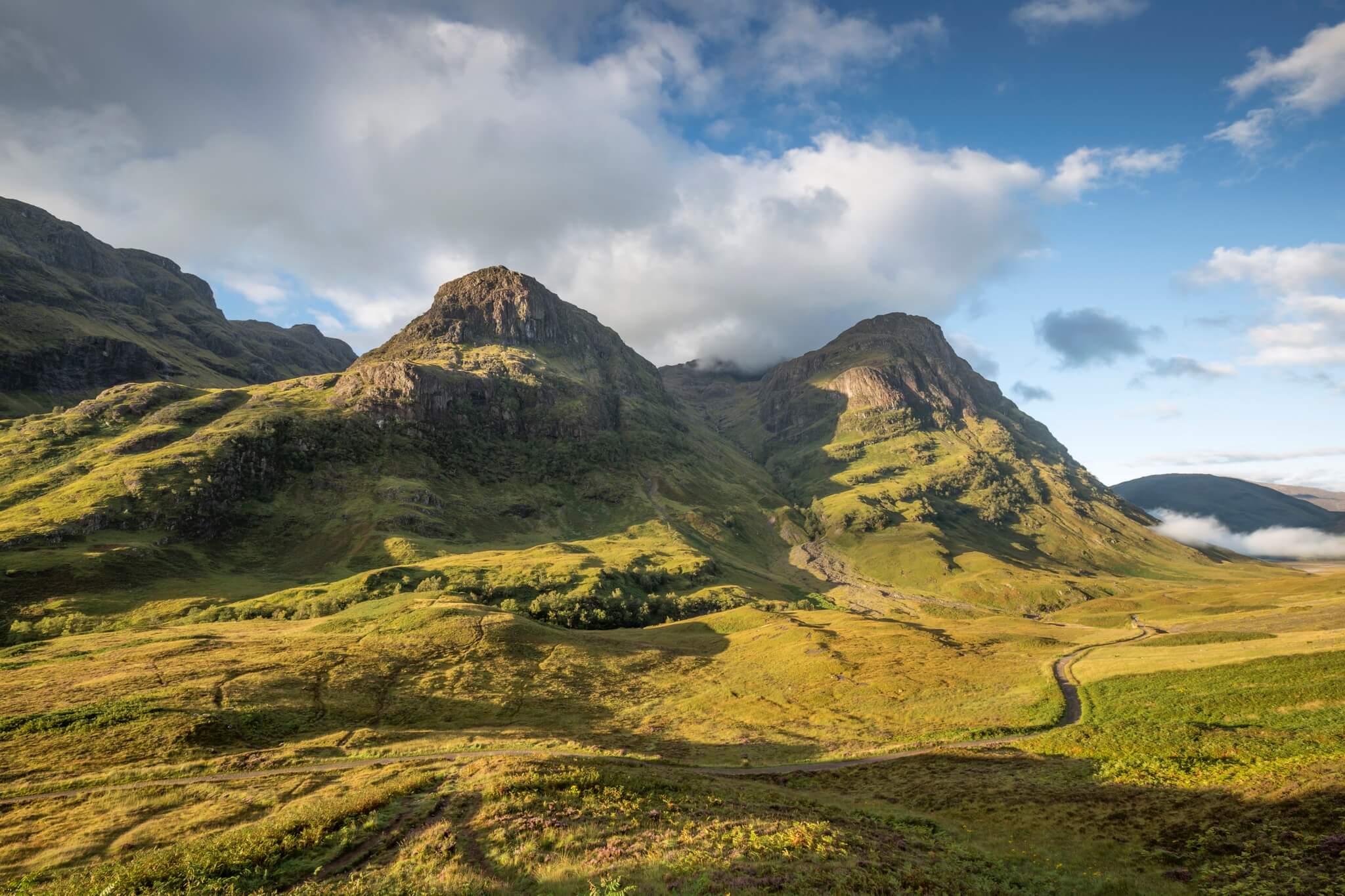
Now we will head north to Fort William. Travel through the National Scenic Area of Glen Coe and Ben Nevis. The majestic mountain scenery is as famous as the events which took place at Glencoe in 1692. A stunning new Visitor Centre can be found at Inverigan where the whole bloody story unfolds in a memorable audio-visual experience. Glencoe's scenery features in a number of Hollywood movies, Harry Potter and the Prisoner of Azkaban being the most recent. Relax in Fort William, the largest town in the West Highlands. It nestles next to Loch Linnhe at the foot of Ben Nevis, Britain's highest mountain.
Day 6
We have travelled here to find Inverlochy. Inverlochy Castle is a mile north of Fort William and was built in the 1200's by Comyn of Badenoch. Inverlochy has been the site of several famous battles and in 1645 the Macfarlanes fought for the victorious Montrose against the Campbells and the Duke of Argyll. They had marched through the night from Kilcumin (now called Fort Augustus which is at the southern end of Loch Ness), through Glen Roy and took the enemy by surprise. Now retrace your steps and head for Stirling. Stirling is a historic city with much to offer its visitors. It is an attractive mix of old and new. For a very different experience visit the Old Town Jail but make sure you plan your escape! The impressive Stirling Castle towers above the river and medieval bridge. Then journey a mile or so southwest of the city to visit the very poignant site of the Battle of Bannockburn(1314). Robert the Bruce declared himself King of Scotland in 1306 and began a long and arduous campaign to secure his title, finally achieving success at this battle. The Macfarlanes' ancestor Malduin, Gichrist's grandson, sheltered Robert the Bruce when he had to flee to the west Highlands. Later the Macfarlanes fought with him here at Bannockburn.
Day 7
Return to Edinburgh. Before leaving Scotland, and Edinburgh, behind you might like to relax and enjoy one of the excellent bus tours of the city and visit the imposing Edinburgh Castle, explore the famous Royal Mile in the Old Town or take a stroll through the elegant New Town.
------------------------------------------------------------------------------
To search over 8,000 quality assured accommodation, from bed and breakfast
to castles log on to www.visitscotland.com.
The information contained in this itinerary is as supplied to VisitScotland
and to the best of VisitScotland's knowledge was correct at the time of
publication. VisitScotland can accept no responsibility for any errors or
omissions.
VisitScotland is committed to ensuring that our natural environment and
built heritage, upon which tourism is so dependent, is safeguarded for
future generations to enjoy.
Print this page - all information will be printed
Page top