Scottish Clan Tours
Researching your family tree is a voyage of discovery. Full of intrigue, exotic names and fascinating histories. It is a pastime that rewards again and again. But those who simply trace their family tree from the comfort of their own home are missing out on the real story of their heritage.
For the whole exciting picture, you need to visit the places you read about. And that means a trip to Scotland. To help you plan your trip, we've compiled a number of clan-themed touring itineraries . So if you see your clan name, just follow the trail and walk in your ancestors' footsteps.
The ancient ancestor of the Macleod clan was Leod, the son of King Olaf the
Black. Leod married the daughter and heiress of MacRaild and they had two sons
Torquil and Tormod. Leod was left in possession of nearly half of the Hebridean
islands after King Haakon of Norway was defeated at the Battle of Largs in
1263. Tormod and his descendants occupied the lands in Skye, with their
principal seat at Dunvegan, in Harris and in Glenelg, which is on the Scottish
mainland. Torquil and his descendants occupied the lands in Lewis, in Raasay
and in Assynt, Cogeach and Gairloch, which are on the Scottish mainland north
of Glenelg.
This itinerary takes you to these islands and across the Highlands in the north
of Scotland. The islands have a legendary, wild beauty, with long stretches of
golden, white sands, secluded coves and rugged hills. The Gaelic language
retains its vibrancy in these parts, with long-held traditions of culture,
language and community handed down through generation after generation. Here we
will highlight just a few of the stories and places where the Macleods and
their followers have left their mark. You can experience the peace and
tranquillity of inspiring Scottish landscapes, the evocative splendour of
ancient castles, the hospitality of the local people and much more.
Day 1
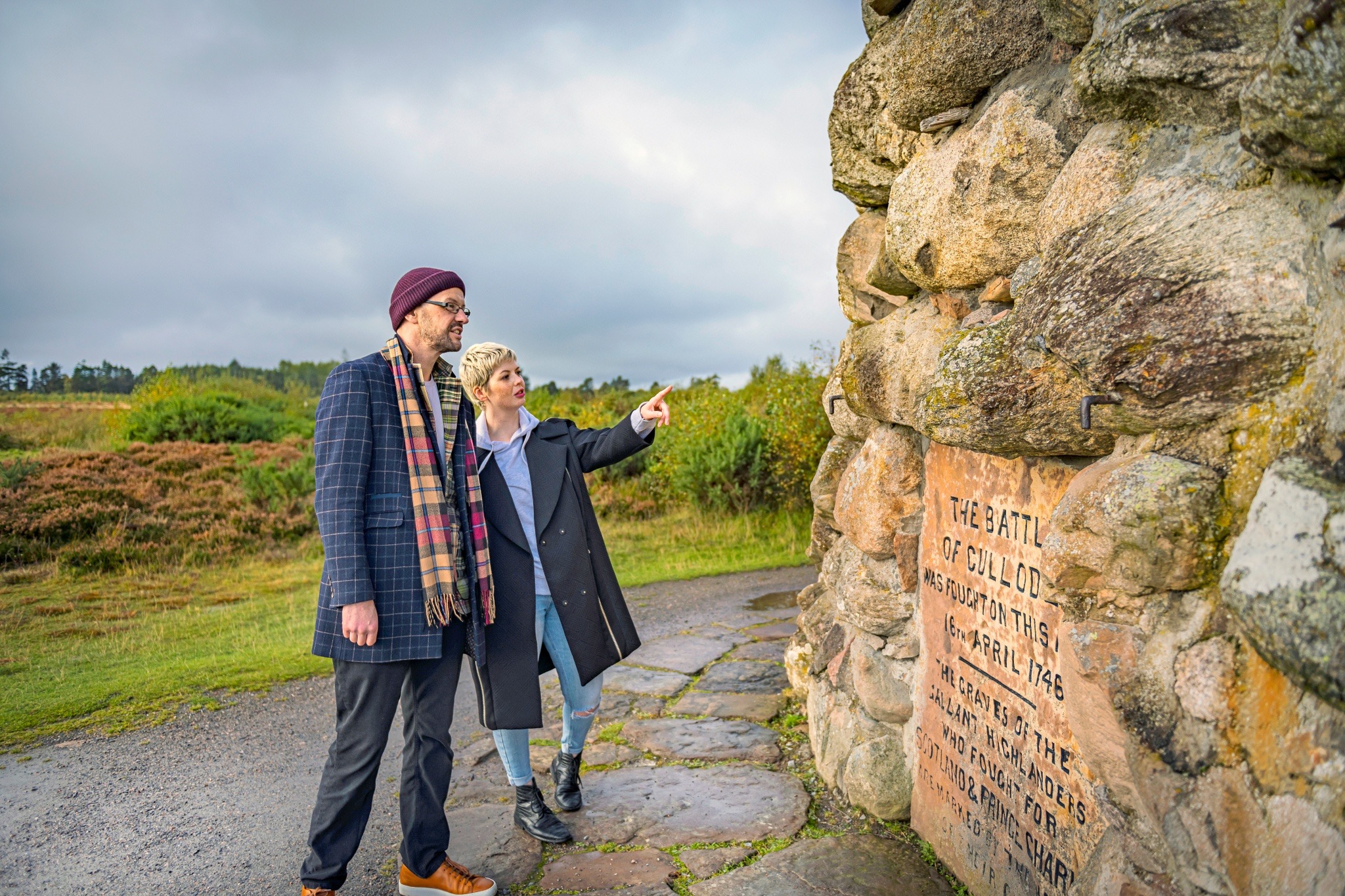
Arrive in Inverness, the beautiful, bustling capital of the Highlands. A fine introduction to the area can be found at Inverness Museum. Then, for a truly atmospheric experience, make the short journey to the battleground of Culloden where, in April 1746, 'Bonnie' Prince Charlie's Jacobite rebellion, supported by the Macleods of Raasay, was crushed by Government forces.
Day 2
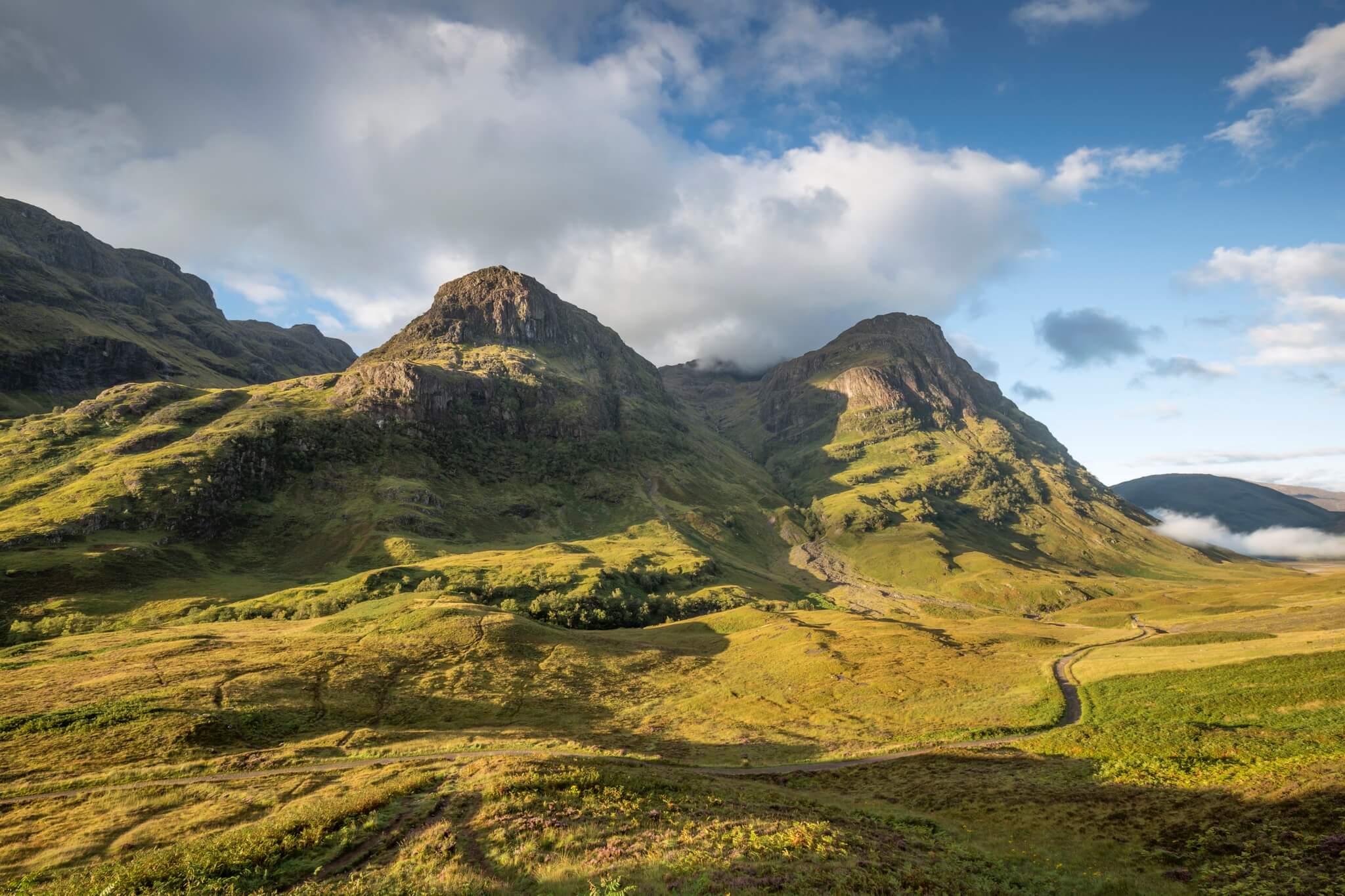
We will now make our way west towards the ancestral lands of the Macleods. First, head south-east on the A9 and A86 to the villages of Kingussie and Newtonmore, where you'll find two fascinating Folk Museums. Here, more than 400 years of Highland history are brought to life in exhibitions which track the everyday experiences of clansman and crofter. Continue on the A86 but turn north at Spean Bridge onto the A82 and then onto the A87. Now take a stunning drive in the shadow of mountains, the Five Sisters of Kintail. At Shiel Bridge take a detour to Glenelg. Originally this was the main route to Skye and was the land held by Tormod's grandson Malcolm, given to him in a charter from King David I in return for providing a boat and oarsmen when required. Return to the main road along the northern shore of Loch Duich. Here is the beautiful and atmospheric Eilean Donan Castle. The present castle was actually built in the last century but there have been fortifications on the island for eight centuries. It was originally the stronghold of the MacKenzies and was the site for many clan battles and skirmishes with the Lord of the Isles. The MacRaes now own the castle which is open to the public.
Day 3
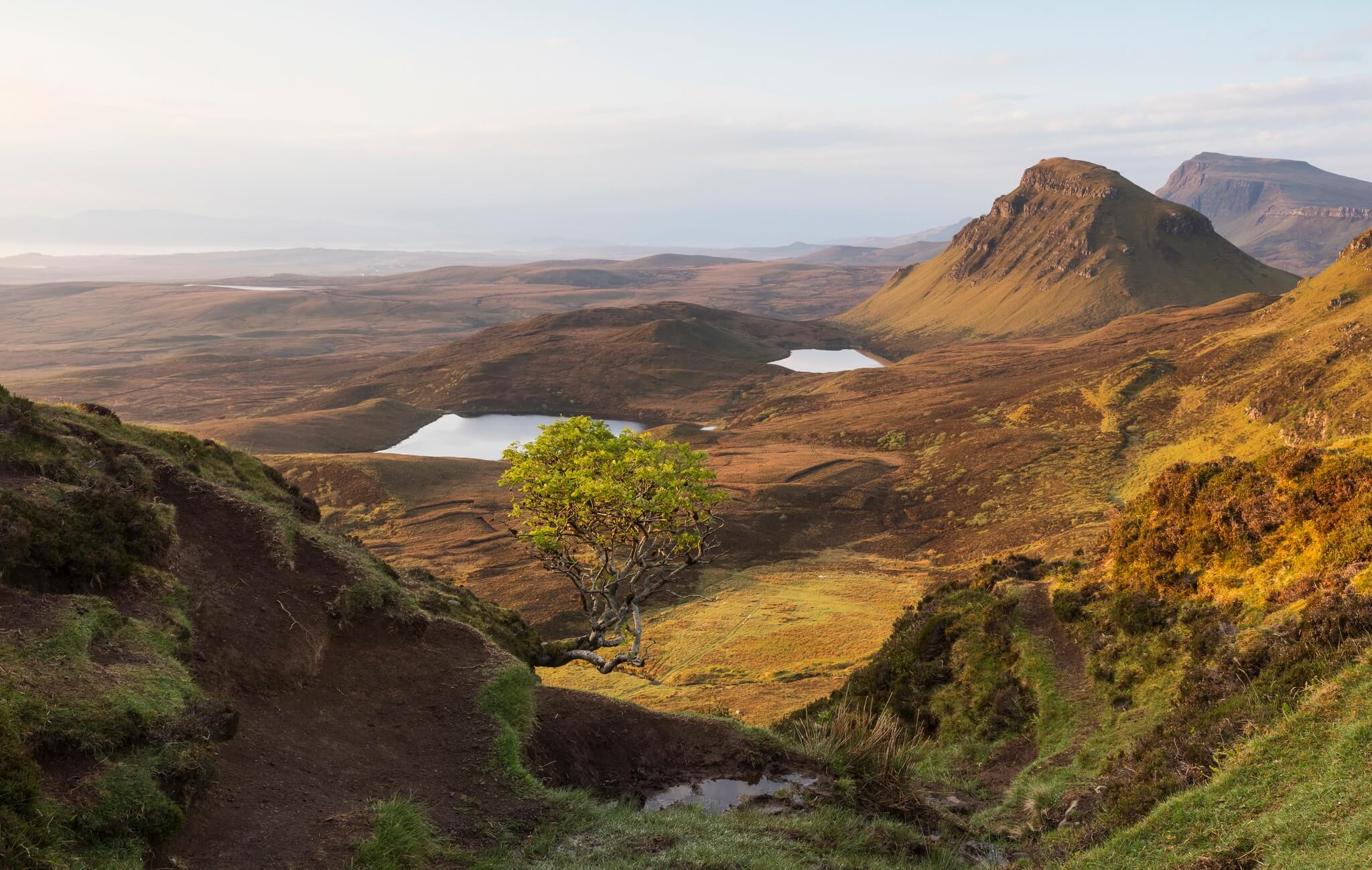
Continue west to the Kyle of Lochalsh and over the spectacular bridge to the Isle of Skye. There is much to explore on the island so head along the main road to Sligachan (shelly place). To the north-east you will be able to see the island of Raasay (and if you have lots of time you can visit the island by ferry), Torquil Macleod occupied this island and his descendants lived there for several hundred years. However the Macleods of Raasay fought alongside Bonnie Prince Charlie in 1745 and the island and its people suffered severe retribution by the government forces as a consequence. In Glen Sligachan is the Bloody Stone which marks the site of the last clan battle between the MacDonalds and Macleods in 1601. Continue north to Skye's largest settlement, the picturesque harbour village of Portree where, in 1746, Bonnie Prince Charlie bade his final farewell to Flora MacDonald. It was Flora who had helped Charlie escape to Skye following his defeat at Culloden; the flight immortalised in the Skye Boat Song ('Speed bonnie boat...'). While here, a visit to the Skye Heritage Centre at nearby Aros is worth the small detour. Now go to Dunvegan Castle the principal seat of the Macleod chiefs. Among its many stories and treasures you will find the Fairy Flag, whose magical powers have offered the Macleods protection at the times of their greatest need, the Dunvegan Cup - a 15th century silver chalice - and Rory Mor's Drinking Horn, used in the ritual rite of passage for each Macleod chief.
Day 4
A short distance to the west of Dunvegan is the Colbost Croft Museum where the smoke from the peat fire creates an evocative atmosphere. To the south you will see the flat top mountains of Healaval More and Healaval Bheag traditionally known as Macleod's Tables. Alasdair Crotach, 8th Chief of Dunvegan set out a feast on the top of one of these flat hills to win a wager with James V. At the time James V was attempting to suppress the power of the Hebridean chiefs and it was Alasdair's talent for diplomacy that saved him and the Macleod clan. At Trumpan, north of Dunvegan is a ruined church which was the site of another battle between the MacDonalds and the Macleods in 1579. All but one of the Macleods worshipping in the church were killed. The survivor escaped and fetched help and all the MacDonalds were slain in revenge. Now make your way to Uig to take the ferry to Tarbert on Harris. (Be aware that Harris and Lewis still observe Sunday as a holy day and most facilities including transport and accommodation may be closed).
Day 5
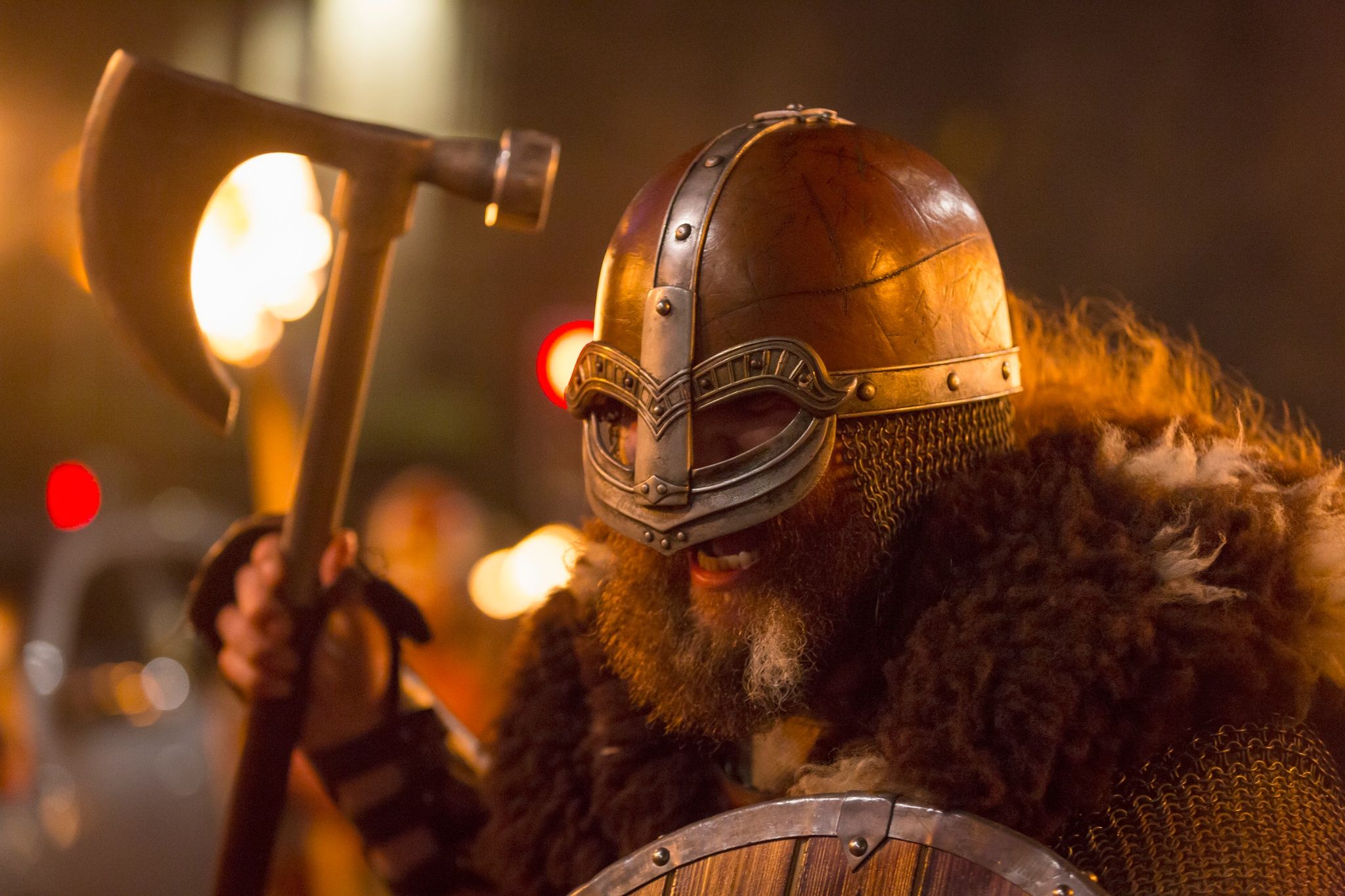
Tarbert (Tairbeart) is at the meeting point of the Isles of Lewis and Harris, which as you can see are the same land mass. The treatment of Lewis and Harris as two separate islands is a consequence of the split in the Macleod clan which has dominated events in the Western Isles for many centuries. A few miles further south is the village of Northton (Taobh Tuath). And it's here that you'll find a true treasure trove for family historians. Seallam Visitor Centre is the only genealogy centre of its type in Scotland, with records on every Western Isles family, some of which go back more than 200 years. Continue to the southern tip of Harris to Rodel. Alasdair Crotach rebuilt the 16th century Church of St Clements here, where his body is interred in a richly carved tomb. Now we will explore Lewis, the ancestral lands of the Torquil Macleods. Travel back to Tarbert and on to Stornoway, the capital of the Western Isles. The town developed around the best natural harbour in the Western Isles, where for centuries, sea travel was and still is of the utmost importance. This was the site of a great castle as early as 1100. The castle was later captured by the Viking ancestor of the Macleods. The suppression of the island Chiefs continued when James VI leased Lewis to Fife businessmen who came to take over and rid the island of its "barbarous inhabitants". The "Fife Adventurers" failed against the MacLeods, and finally gave up after several attempts.
Day 6
Visit the Stornoway Museum and Arts Centre to view collections illustrating the archaeology, and history of the islands. There is also an active local historical society in the town and you might be lucky enough to join in with the music, dancing and laughter at a Ceilidh! Or you may wish to slip into one of Stornoway's many hostelries to hear the distinctive Hebridean lilt of the Gaelic language. To the west and north of Stornoway you can visit the Callanish Standing Stones, Carloway Broch the impressive iron age defensive structure, the Black House at Arnol which is a traditional Lewis thatched cottage and the Ness Heritage Centre to see local archives and genealogical records.
Day 7
Depart from Stornoway and travel back to Ullapool by ferry - looking out for dolphins, porpoises and seals
as you go. The two hour sailing across The Minch offers breathtaking
views to distant Skye and the mountains of Coigach and Assynt all of
which have been the lands where Clan Macleod has lived for many
centuries. Return to Inverness across the rugged landscapes of
Ross-Shire.
You may want to relax and enjoy the Highland hospitality of Inverness after a
busy few days before you start your journey home.
------------------------------------------------------------------------------
To search over 8,000 quality assured accommodation, from bed and breakfast to
castles log on to www.visitscotland.com.
The information contained in this itinerary is as supplied to VisitScotland and
to the best of VisitScotland's knowledge was correct at the time of
publication. VisitScotland can accept no responsibility for any errors or
omissions.
VisitScotland is committed to ensuring that our natural environment and built
heritage, upon which tourism is so dependent, is safeguarded for future
generations to enjoy.
Print this page - all information will be printed
Page top