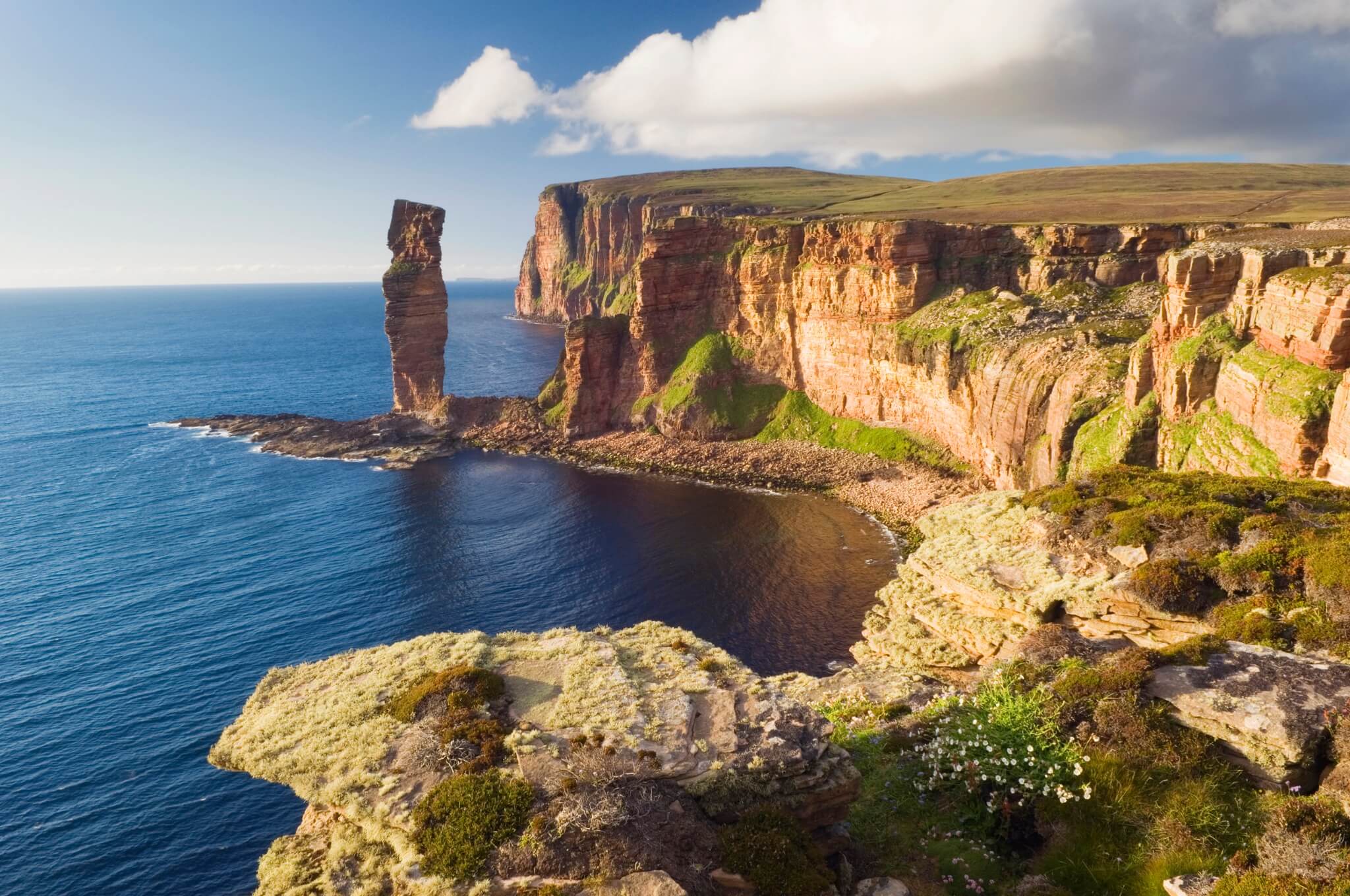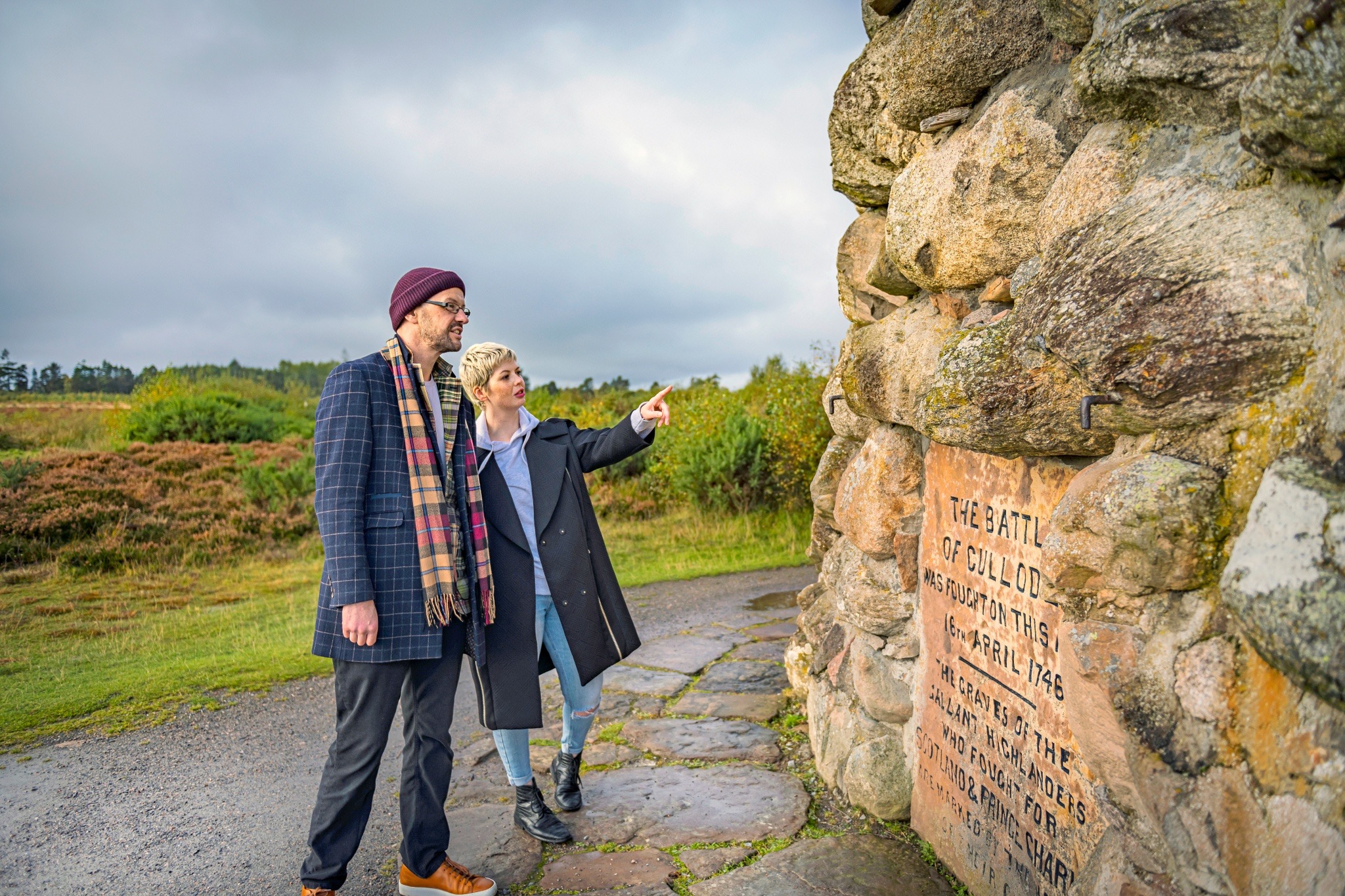
Culloden Battlefield
Experience Scotland like your ancestors
Whether you've got your full family history and ancestry traced, want to find out more, or simply feel a connection with Scotland, come and discover first-hand the spirit of Scotland and the fascinating ancestral experiences the country to enjoy.
All you need to know on ancestry
Discover how your ancestors lived and follow in their footsteps as you explore Scotland.
Highland dress of the Atholl Highlanders
© VisitScotland / Paul Tomkins
Discover your clan
Many people across the world are lucky enough to have ancestral ties to Scotland – are you one of them?
Learn about where in Scotland the clans have their ancestral roots, or find which castles are connected to which clans and discover these stories for yourself. Plan the holiday of a lifetime where you can visit the towns, villages and streets where your Scottish ancestors would have once travelled.
The Reluctant Traveller’s Ancestral Adventure In Scotland
Follow actor Eugene Levy as he uncovers his roots and learns more about his Scottish ancestry.
Explore your unique ancestry on holiday in Scotland
There are many ways to trace your Scottish ancestry, but only in Scotland itself can you experience the land of your forebears and have a vacation turn into the adventure of a lifetime.
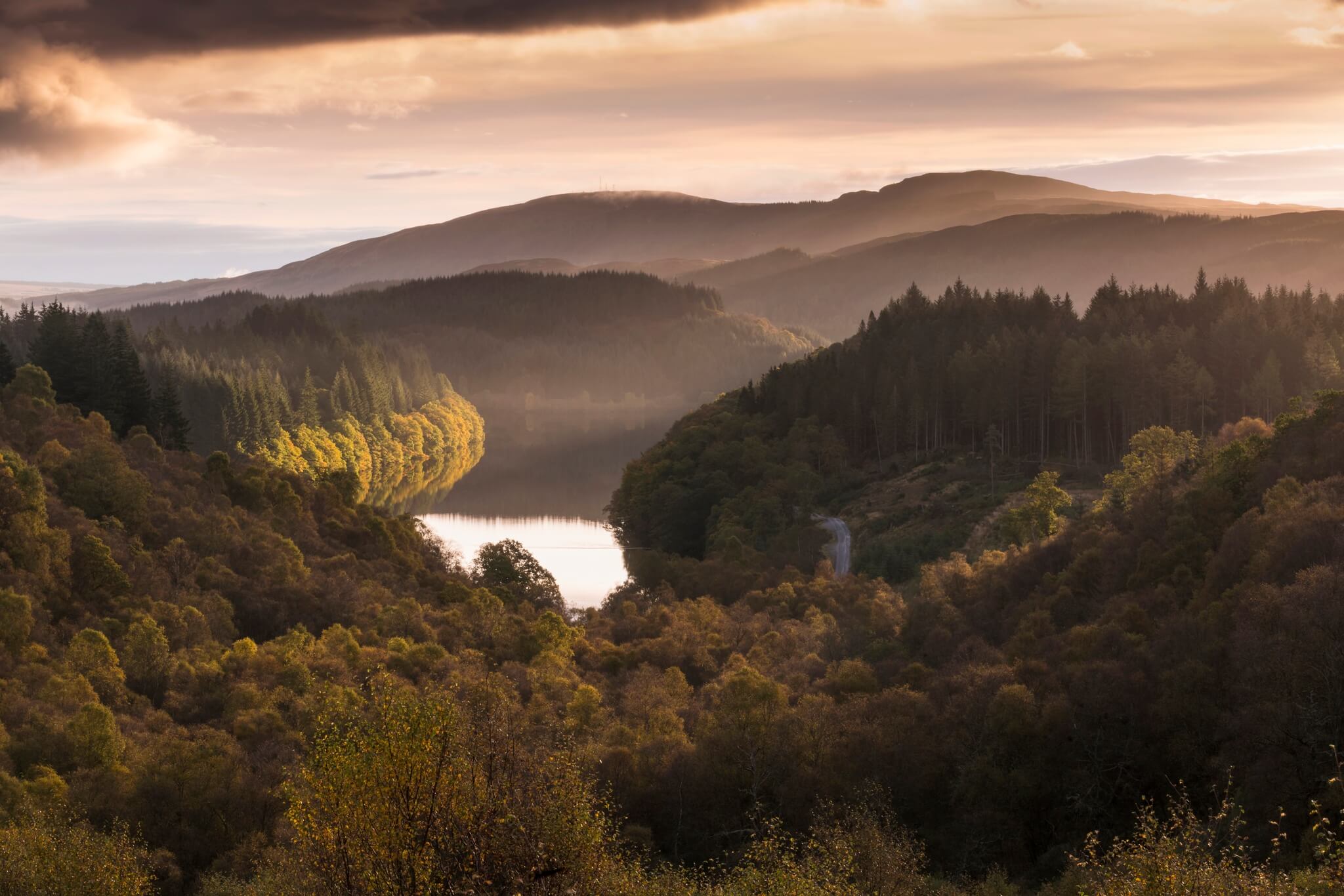
Scotland's Landscapes, Scenery & Nature Spots
Explore our ancient pine forests, arctic landscapes, coastal meadows and more.
Historic Attractions in Scotland
Find out more about historic attractions, landmarks and places to visit in Scotland.
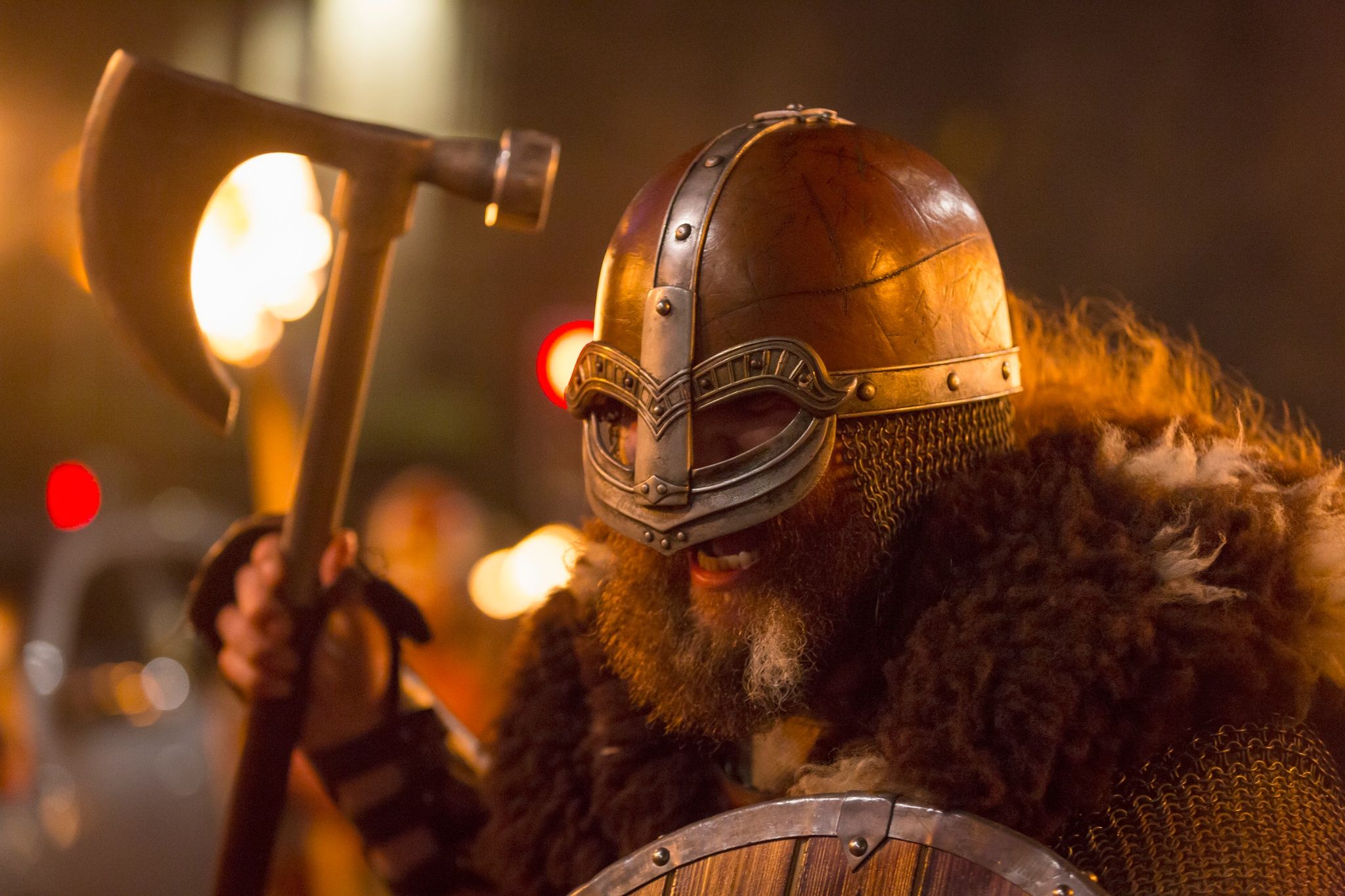
Authentic Scottish Events, Culture & Traditions
Experience authentic Scottish culture and traditions at events including Celtic music festivals, Highland games and whisky events.
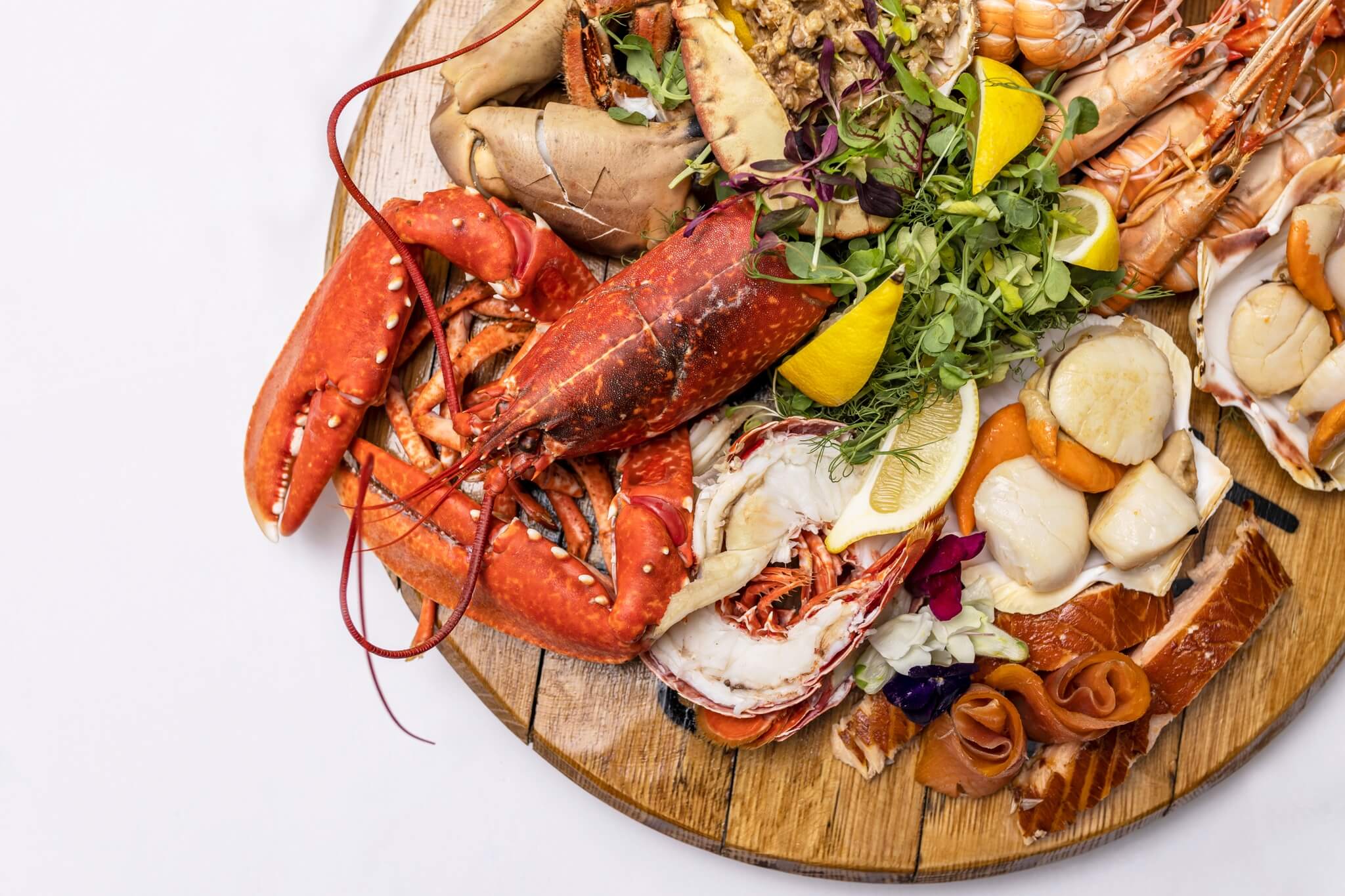
Scottish Food & Drink
Get a taste for Scotland and discover the country's mouth-watering food and drink.
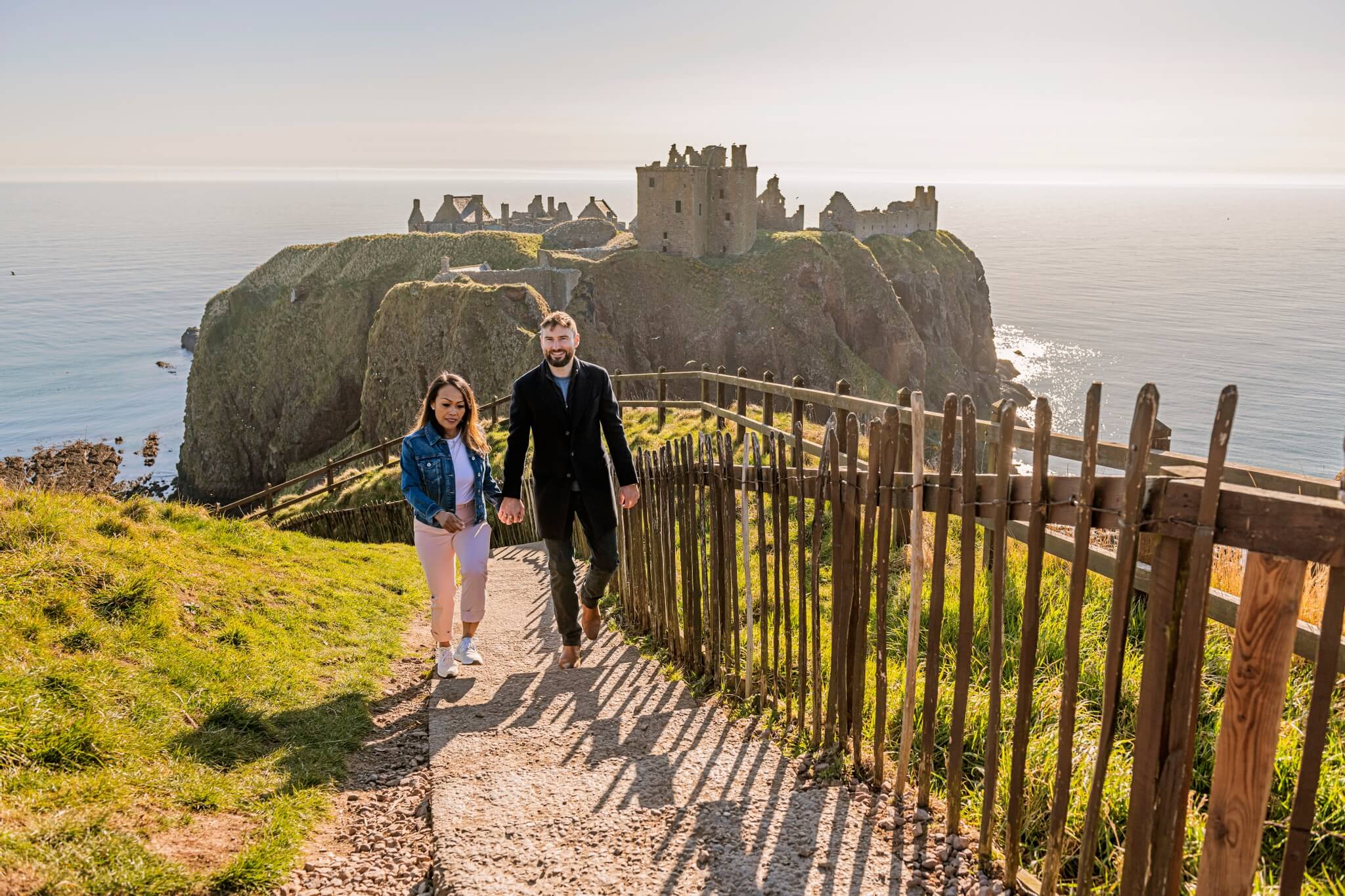
Castles to Visit in Scotland
From magnificent city landmarks to mysterious ruins, Scotland is bursting with fascinating castles to visit.
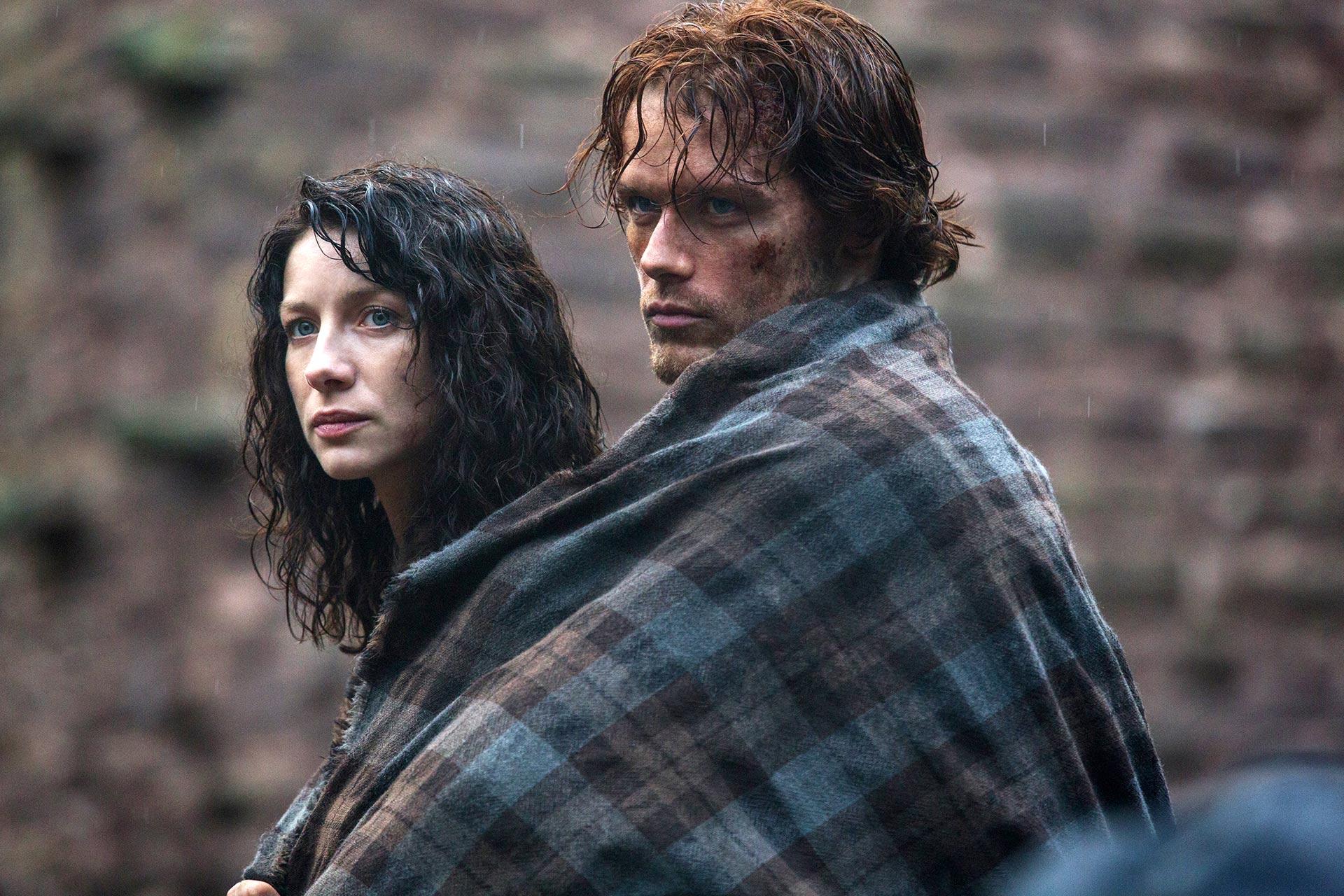
The Scottish History That Inspired Outlander
Discover the fascinating Scottish history that inspired Outlander.
Jacobite Risings
The Jacobite Risings proved a decisive period in Scotland's history

Scotch Whisky
Whisky is Scotland's best known export and has been proudly produced throughout the country for hundreds of years.
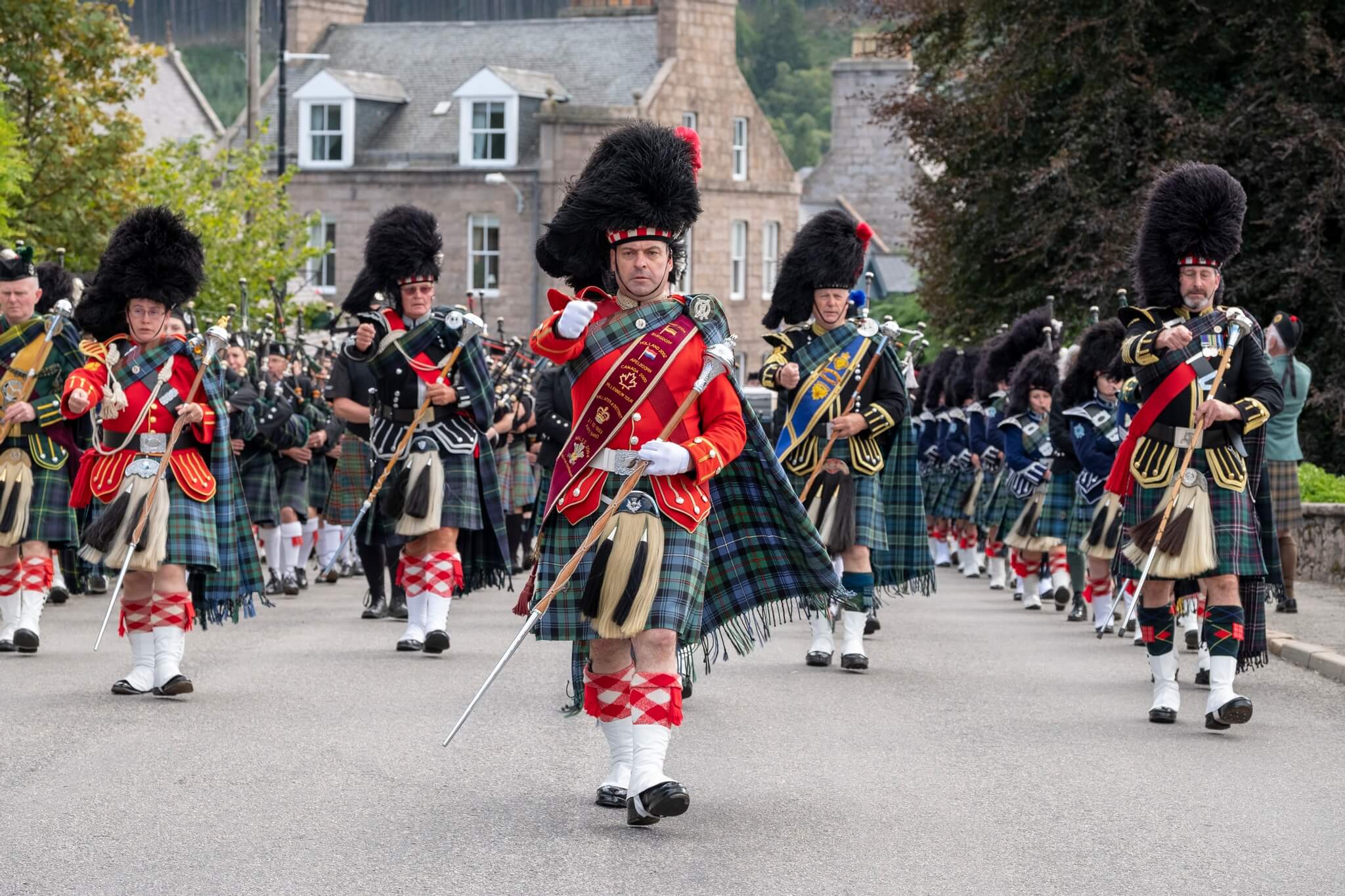
Highland Games in Scotland
From the tug o' war to the caber toss, Scotland's Highland games are not to be missed.
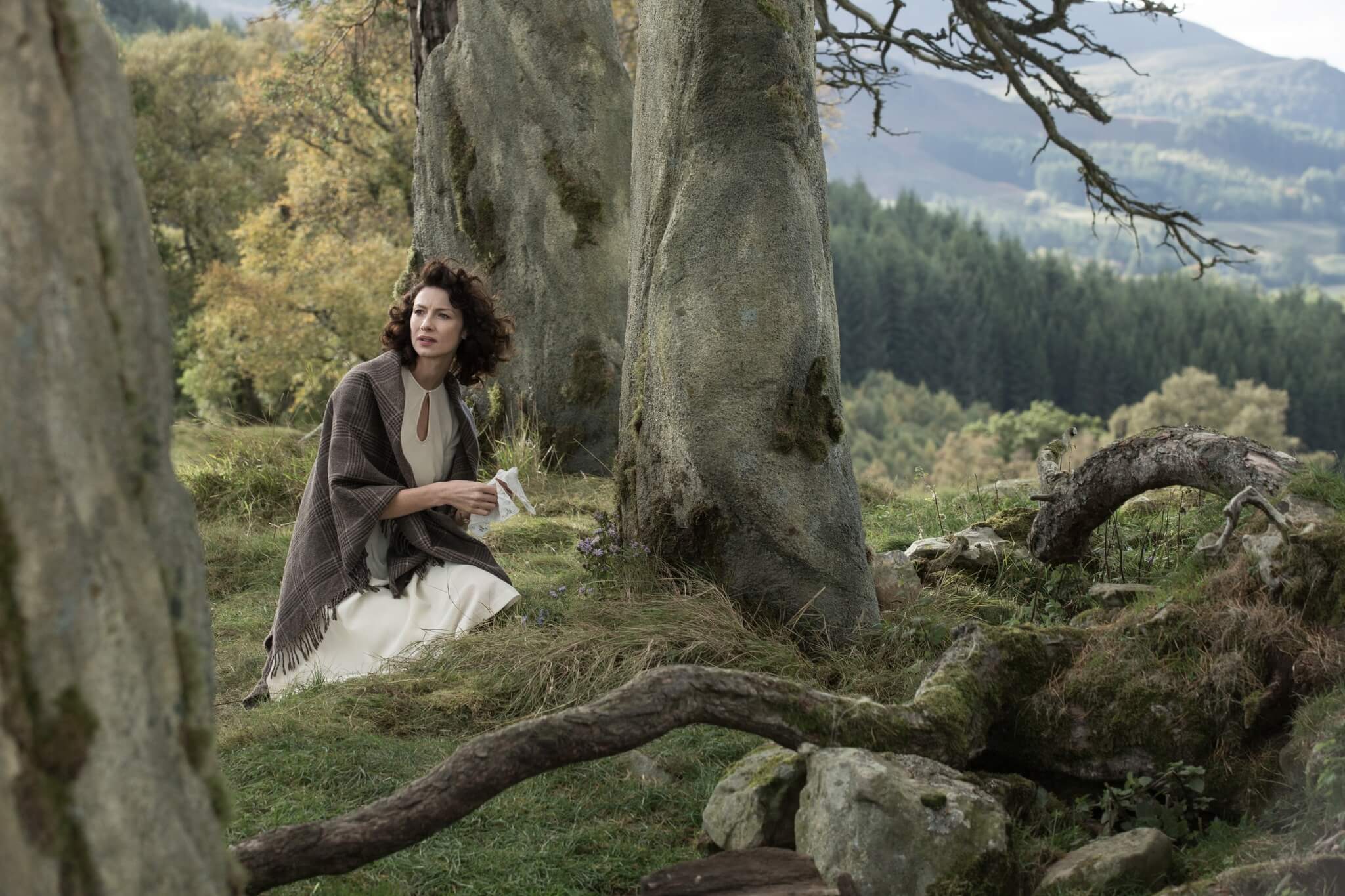
Film & TV locations in Scotland
This country has produced its fair share of top Hollywood names, and there have been a surprising number of movies filmed in Scotland, too.
Find out what life was like
Feel connected to your ancestors by discovering more about their professions, language, culture and landscape.
Gaelic Language & History
Learn about Gaelic and its origins which is still spoken today by around 60,000 Scots.
Historic Scottish Professions & Occupations
Was your ancestor a crofter, weaver, ship builder, or something else entirely? Discover more about what they did for a living.
Tartan and kilts
You might think you know tartan, but its story is as rich and complex as its iconic fabric.
The National Library of Scotland
Tracing your family tree
There are lots of great resources available when looking to research your Scottish ancestry DNA. Get inspiration by checking out excellent online resources
Influencer Brooke Willson explores Ben A'an
An Influencer's ancestral trip to Scotland
"Travelling with my friend Maddy, who has Scottish ancestry, made our trip even more special. Our experiences helped us learn more about her heritage as we explored the beauty of Scotland."
Brooke Willson, Outdoor Lifestyle Influencer
Find experiences
JavaScript needs to be enabled to see this product search form. You can turn this on in your browser settings.