Content on this page requires a newer version of Adobe Flash Player.

Get Adobe Flash player

Scottish Clan Tours

Researching your family tree is a voyage of discovery. Full of intrigue, exotic names and fascinating histories. It is a pastime that rewards again and again. But those who simply trace their family tree from the comfort of their own home are missing out on the real story of their heritage.

For the whole exciting picture, you need to visit the places you read about. And that means a trip to Scotland. To help you plan your trip, we've compiled a number of clan-themed touring itineraries . So if you see your clan name, just follow the trail and walk in your ancestors' footsteps.

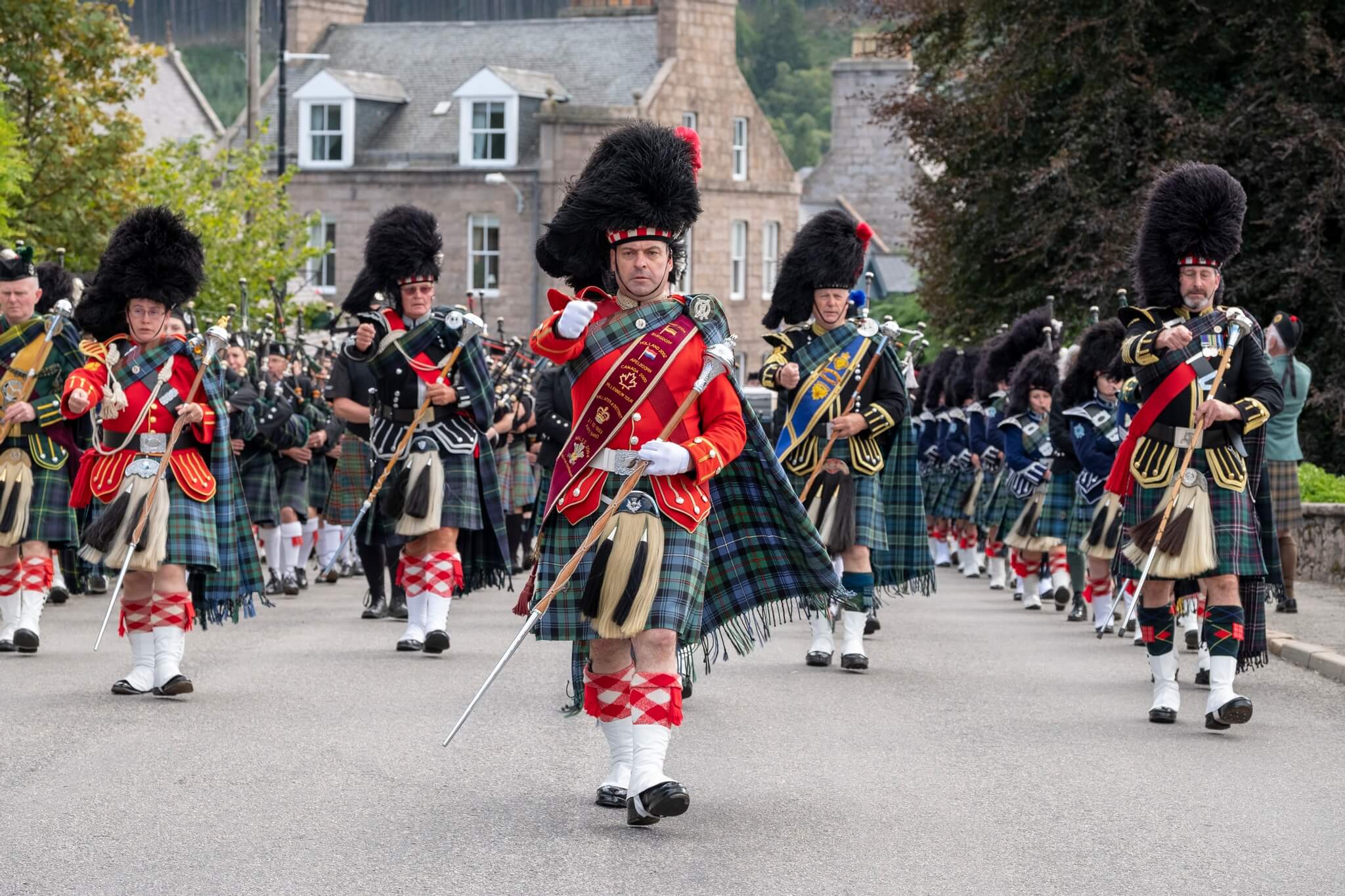
From evenings of toe-tapping traditional music in friendly pubs to the colour and excitement of Highland Games, every gathering of Scots is a celebration that you'll want to be part of.
Clan Stewart touring information

Walter Fladd was created First High Steward of Scotland and was given extensive estates in Renfrewshire and Lothian as a reward for his loyalty to the King, David I. Several generations later, Walter the High Steward married Marjory, Robert the Bruce's daughter and so the Stewarts were founded and for some time were rulers of Scotland. There were many famous Stewarts, good and bad, but all full of courage and ambition for their Clan and the people of Scotland.

This itinerary highlights just a few of the stories and places where the Stewarts have left their mark in Scotland. It takes you to Argyllshire in the west, looking out across to the Western Isles and encompassing the majestic and awesome landscapes of Ben Nevis and Glen Coe; to Perthshire where Blair Castle is the home of the Atholl Stewarts; to Inverness-shire to see the Battlefield at Culloden and to the two Royal castles in Stirling and Edinburgh. You can experience the peace and tranquility of the inspiring Scottish landscapes, the evocative splendour of ancient castles, the hospitality of the local people and much more.

Day 1

Arrive in Edinburgh, Scotland's magnificent historic capital. You'll be spoilt for things to do and places to visit. A good starting point is the National Museum of Scotland in Chambers Street. Here, you'll find the history of Scotland from early geological times through to the present day. At the nearby Scottish Genealogical Society library in Victoria Terrace you'll find plenty of fellow travellers and enthusiastic researchers, as well as a wealth of genealogical information and guidance. No appointment is necessary but there is a small charge for non-members.

Day 2

Today travel to Stirling and visit the very impressive Stirling Castle, a favoured retreat of the Stuart monarchs and the childhood home of Mary, Queen of Scots. The Stuart Kings James IV, V and VI have all left there marks on the architecture of the castle and an exhibition in Queen Anne's casemates offers a fascinating insight into their lives. Then journey a mile or so southwest of the city to visit the very poignant site of the Battle of Bannockburn (1314). Robert the Bruce declared himself King of Scotland in 1306 and began a long and arduous campaign to secure his title, finally achieving success at this battle. He then set about rebuilding the Scottish nation, the legacy of which was handed down to the Stewarts to continue when, his daughter Marjory having married a Stewart, Bruce's grandson was crowned Robert II of Scotland.

Day 3

Leave Stirling and head north-west to Port of Menteith on the shore of the only lake in Scotland, Lake Menteith. On an island in the lake is the Priory of Inchmahome, founded by Walter Comyn in 1238. Grave slabs and effigies of Stewart Earls and knights can be found there. The priory was also refuge to the infant Queen Mary at one time and is now cared for by Historic Scotland. A ferry will take you from the Port to the island, where you can see most of the thirteenth century buildings together with picturesque views and abundant plants and wildlife. Depending on the weather you may want to spend the rest of the day here - don't forget to take a picnic.

Day 4

You will now head for the lands of other Stewarts who formed three Clans from whom all other branches originate: those of Balquhidder, Lorne and Athol. First travel north towards Lochearnhead. Nestled at the head of Loch Voil in the Loch Lomond and Trossachs National Park you will find Balquhidder. East of here on the south shore of Loch Earn is Ardvorlich. The Stewarts of Ardvorlich were descended from James Stewart, called James the Gross, fourth and only surviving son of Murdoch, Duke of Albany, Regent of Scotland, who was beheaded in 1425. The Stewarts of Ardvorlich were the victims in a bloodthirsty episode in 1598 which resulted in almost 200 years of persecution for the MacGregors. The son of the Stewarts involved was the hero in Sir Walter Scott's novel The Legend of Montrose. Now head west to Dunbeg. Here on the coast is Dunstaffnage Castle, an impressive fortress. The mother of Dugald Stewart, the first Chief Of Appin, was a MacLaren from Dunstaffnage. A few miles north is Appin, and in the bay near Portnacroish you will find Castle Stalker. It was built by Duncan Stewart of Appin in the late 1400's. Enjoy the beautiful scenery around the Firth of Lorne. The Appin Stewarts were descendants of the Lord of Lorne.

Day 5

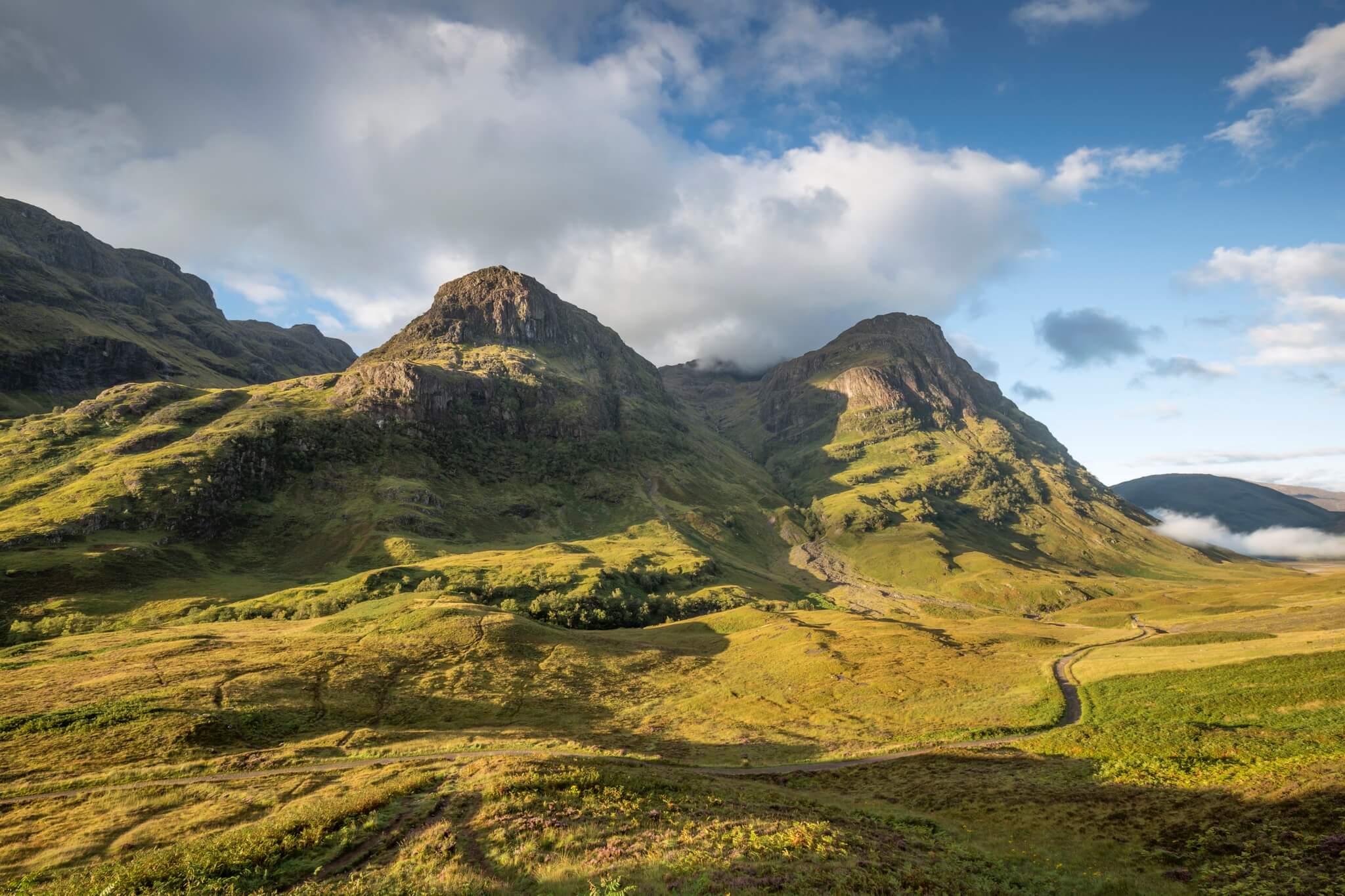
Continue north to Fort William, on the way taking a slight detour east to Glencoe (narrow glen). The majestic mountain scenery is as famous as the events which took place there in 1692. A stunning new Visitor Centre can be found at nearby Inverigan where the whole bloody story unfolds in a memorable audio-visual experience. Glencoe's scenery features in a number of Hollywood movies, Harry Potter and the Prisoner of Azkaban being the most recent. If time allows travel west from Fort William to explore the Ardnamurchan area. In the 16th century the last remaining member of the Stewarts of Inverhyle fled from the Campbells and was brought up by a blacksmith in this area. Many stories are told of his strength and skills as a blacksmith. On his sixteenth birthday his foster father gave him a two-edged sword and told him of his birth and parentage. He then sought revenge against the Campbells and recovered his inheritance. Head northeast to Inverness on the A82, enjoying the scenery as you pass by Lochs Lochy and Ness. Look out for the fabled monster! You may want to relax and enjoy the Highland hospitality of Inverness after a busy few days, but if not there's plenty to see. A fine introduction to the area can be found at Inverness Museum.

Day 6

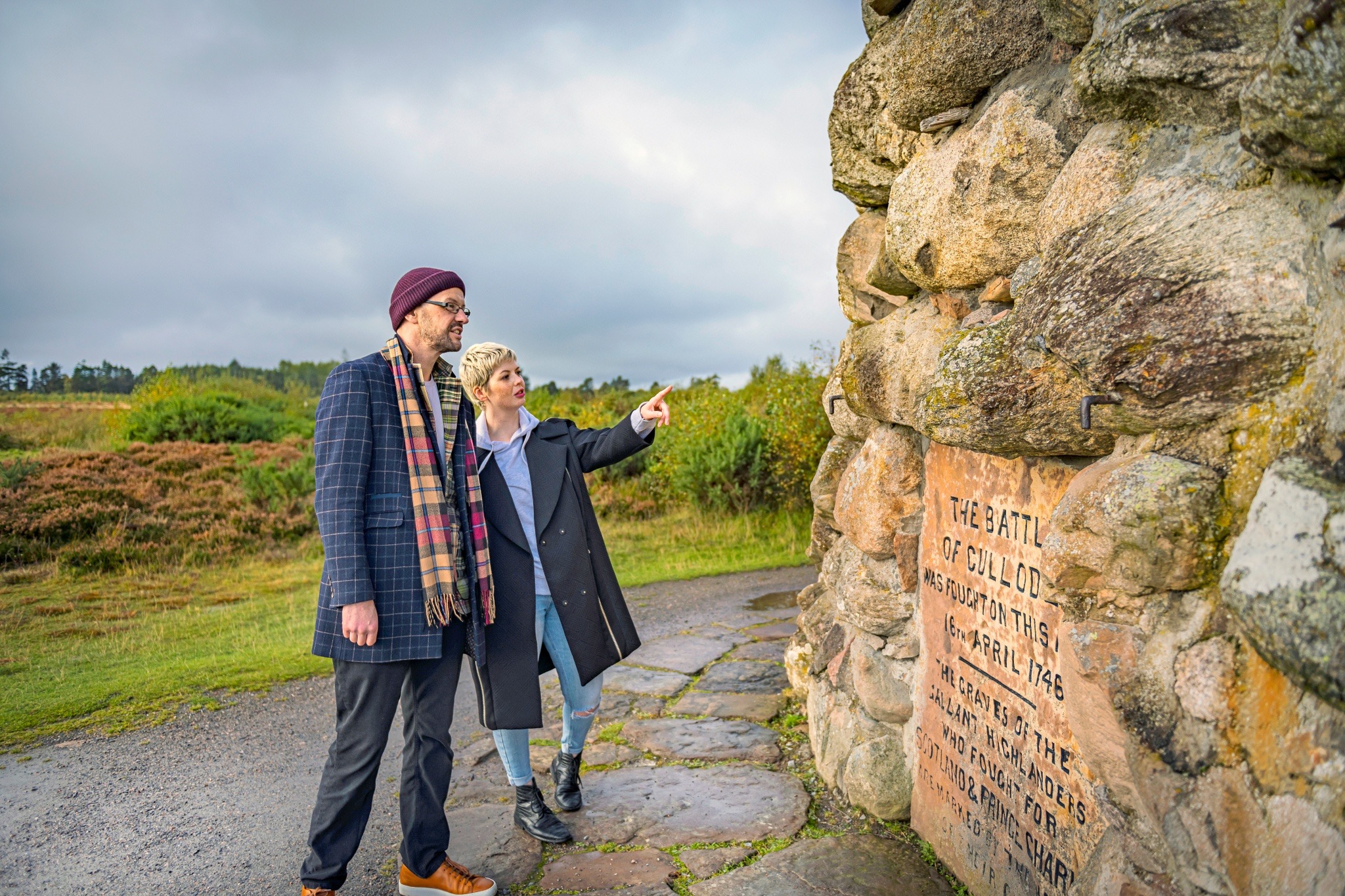
Then, for a truly atmospheric experience, make the short journey to the battleground of Culloden where, in April 1746, 'Bonnie' Prince Charlie's Jacobite rebellion was crushed. Charles Stewart of Ardsheal led Appin men to break the Redcoat ranks but were then slain by the Government forces. Leaving Inverness, your road south leads to the villages of Kingussie and Newtonmore. Here you'll find two fascinating Folk Museums where more than 400 years of Highland life are brought to life in exhibitions which track the everyday experiences of clansman and crofter. Head south to arrive in Blair Atholl.

Day 7

These were the lands of Alexander Stewart, the so-called "Wolf of Badenoch", from whom the Stewarts of Atholl were descended. The seat of the Dukes and Earls of Atholl, Blair Castle is set in majestic grounds in the heart of highland Perthshire. It has extensive collections of arms and armour, pictures, furniture, porcelain, embroidery and family memorabilia and although a private home is open to the public. Leaving the main road you can view Garth Castle a mile north of Coshieville. The Castle is thought to have been built by the Wolf of Badenoch. He was reputedly a very unpleasant man who had many illegitimate children. A hundred years later, the Stewart family having become pillars of the community Neil Goint (Neil the bitter and twisted), married into the family and inherited the castle. Stories relate how he fell out with his neighbours the Menzies and after burning Menzies Castle to the ground he imprisoned Sir Robert Menzies in a dungeon and starved him, trying to persuade him to sign over his lands. King James IV came to Sir Robert's rescue.

Day 8

Return to Edinburgh, which has been greatly influenced by the Stewart monarchy and other more recent Stewarts. You can visit the Palace of Holyroodhouse at the end of the historic Royal Mile, and perhaps the new Scottish Parliament building which lies nearby. At the other end of the Royal Mile is Edinburgh Castle, from the battlements of which you can enjoy commanding views out over both the New and Old towns of Edinburgh. The Corinthian monument which stands on Calton Hill was erected in memory of Dugald Stewart (1753 - 1828) a leader in the field of philosophy and also one of Sir Walter Scott's teachers. You can return home knowing that you have walked in the footsteps of some very noble and ancient ancestors.

------------------------------------------------------------------------------
To search over 8,000 quality assured accommodation, from bed and breakfast to castles log on to www.visitscotland.com.

The information contained in this itinerary is as supplied to VisitScotland and to the best of VisitScotland's knowledge was correct at the time of publication. VisitScotland can accept no responsibility for any errors or omissions.

VisitScotland is committed to ensuring that our natural environment and built heritage, upon which tourism is so dependent, is safeguarded for future generations to enjoy.

Print this page - all information will be printed

Page top